
Pika AI Video Generator Review 2026: Price, Free Plan, and How to Use It

AI Overview
What is the Pika AI video generator?
Pika is a cloud-based AI video generator that creates short clips from text prompts or images. It supports text-to-video, image-to-video, and one-click video effects in a consumer-focused interface.
Is Pika AI free?
Yes. Pika's Basic plan currently includes 80 monthly credits, Pika 2.5 at 480p, and selected editing features. Higher resolutions, more credits, and faster generation require a paid plan.
What is Pikadditions?
Pikadditions is Pika's video-to-video feature for inserting a referenced person or object into an existing clip. It works best when the prompt clearly defines the subject, placement, action, lighting, and relationship to the scene.
Is Pika worth using for production work?
Pika is useful for short effects-led clips and fast object-insertion tests. Compare the cost per approved result, because continuity, precise placement, and multi-shot assembly may still require retries or another production workflow.
What Is Pika AI and What Can It Do?
This public Pika example shows the “Melt it” effect applied to a still image. It demonstrates Pika's fast preset workflow rather than precise prompt control.
Pika is a short-form AI video generator with text-to-video, image-to-video, and Pikaffects such as zoom, melt, deflate, and squish. Standard clips run for 5 or 10 seconds, support 16:9, 9:16, and 1:1, and reach 1080p on paid plans.
Its strength is speed: creators can turn an idea into a shareable effect in minutes. The tradeoff is control—longer edits, sound, captions, transitions, and color finishing still require another editor.
Use text-to-video for flexible concepts and image-to-video when the subject must stay recognizable. For more stable results, keep each shot to one subject, one motion, and one simple camera move.
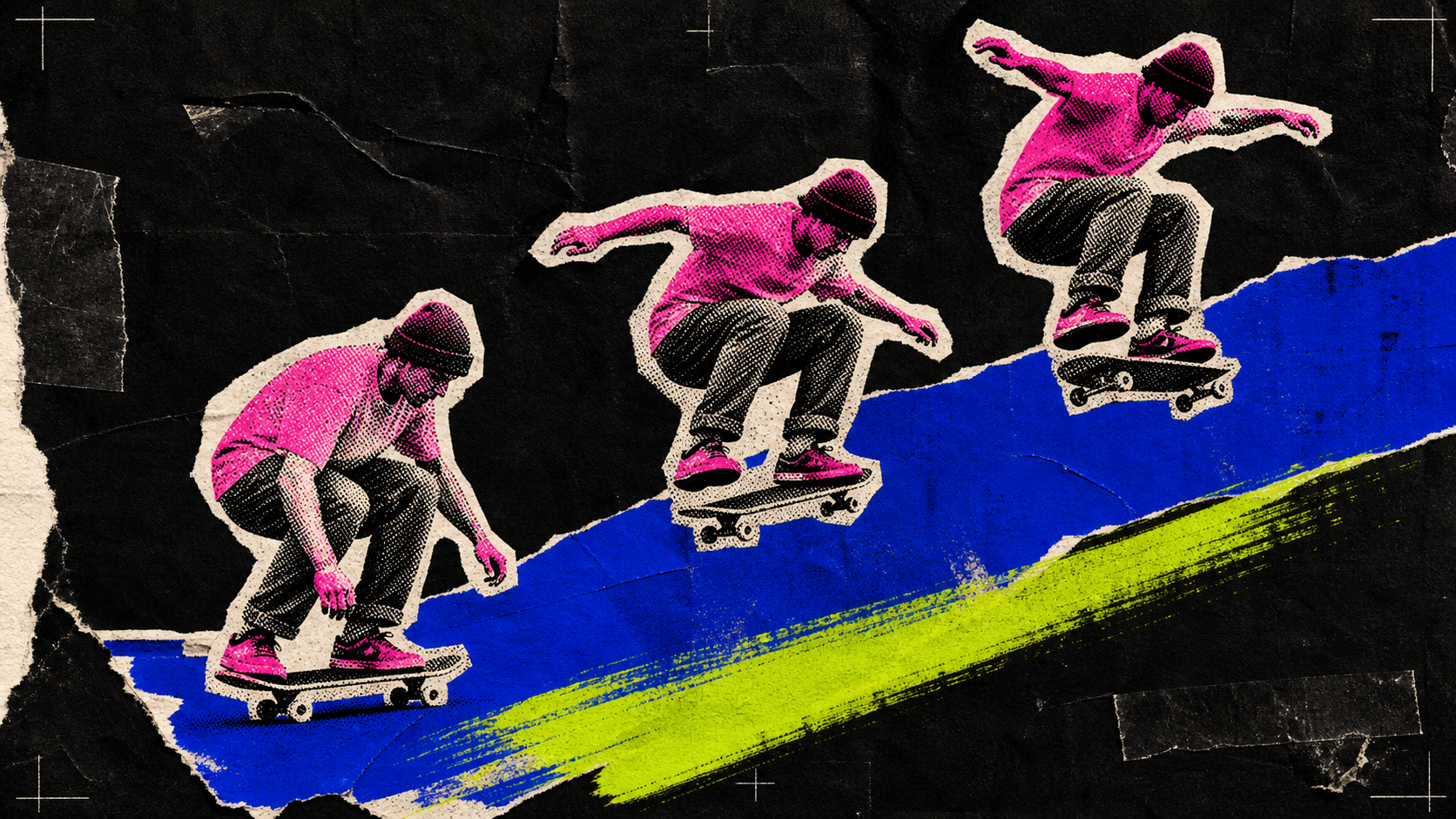
An analogue editorial collage turns sequential motion into one graphic frame. Compare other current models in the best AI video generation models of 2026.
Pika AI Pricing: Free Plan, Paid Tiers, and What You Actually Get
| Plan | Current price | What you get |
|---|---|---|
| Basic | $0 | 80 monthly credits, Pika 2.5 at 480p, selected features |
| Standard | $10/month or about $8/month billed annually | 700 credits, all resolutions, Pikaframes, all Pikaffects, faster generation |
| Pro | $35/month or about $28/month billed annually | 2,300 credits, faster generation and higher monthly volume |
| Fancy | $95/month or about $76/month billed annually | 6,000 credits and the fastest queue |
Prices were rechecked against Pika's official pricing page in September 2026. Basic includes watermark-free downloads and commercial use.
The free plan is only enough for testing: one five-second 480p Pika 2.5 clip costs 12 credits, so 80 monthly credits cover about six attempts. Monthly plan credits expire; only separately purchased extra credits roll over.
What the Advertised Plan Price Misses
A usable clip often takes several attempts, making Pika Pro's $35 monthly or $336 annual price expensive once retries are included. Seedance's $20 one-time 200-credit pack is $15 cheaper than one Pika Pro month, requires no subscription, and lowers the cost of testing and retries.
How Do You Write Pikadditions Prompts to Add Objects to a Video?
Pikadditions adds a referenced subject to footage rather than replacing an existing object. Start with a short clip where the insertion area stays visible and a clean reference whose angle roughly matches the scene.
Use a Five-Part Pikadditions Prompt
Write the prompt as a placement brief rather than a general story. Include five parts in this order:
- Identity: name the person, animal, product, or prop shown in the reference.
- Placement: specify an observable surface or body relationship, such as “on the table beside the cup” or “resting on the actor's left shoulder.”
- Action: give the addition one simple behavior that fits the source movement.
- Scene match: describe light direction, scale, perspective, shadows, and color treatment.
- Preservation: state which original subjects, camera movement, and background details must remain unchanged.
Copy-ready prompt: “Add the small amber desk lamp from the reference image on the wooden table, 20 centimeters to the right of the white cup. The lamp remains fixed while the camera slowly moves forward. Match the warm window light, tabletop perspective, contact shadow, and shallow depth of field. Keep the cup, hands, background, and original camera motion unchanged.”
Pika's official example uses a precise addition, body anchor, scale, movement rule, lighting match, and monochrome color treatment. Watch whether the crown follows the head instead of sliding independently.
Run the Pikadditions Edit Step by Step
Upload the base video, select Pikadditions, attach the reference image, and generate one five-part prompt. Review placement, scale, occlusion, contact shadow, lighting, and tracking. If one check fails, revise only the corresponding phrase or source asset.
Leave negative space where the object should appear, avoid fast cuts and heavy motion blur, and do not ask a side-view reference to become a precise front-facing object while rotating. For a person, keep the face and clothing unobstructed.
If you first need to create a stable base clip from a still, use the Seedance Image to Video workspace, then bring the approved shot into the object-addition stage. For consistent prompt grammar across related shots, keep the scene and camera clauses from the Seedance prompt guide and change only the inserted subject and its interaction.
Diagnose Common Pikadditions Failures
If the object floats, slides, or changes size, define a physical anchor and contact: “the front paws stay on the sofa cushion” is more useful than “a cat on the sofa.” If it appears on the wrong side, use the subject's left or right plus a visible landmark; screen-left alone can become ambiguous when the camera moves. If the addition is cropped, choose a smaller reference subject, leave more source-frame space, or place it farther from the border.
When identity drifts, simplify the action and use a cleaner reference with the required face, material, or product geometry clearly visible. When lighting looks pasted on, name the light source, shadow direction, and scene color. When the insertion blocks the original actor or product, specify the depth relationship—behind the chair, in front of the wall, or beside the subject—and protect the original element explicitly.
Do not solve every failure by making the prompt longer. Keep one insertion per test and compare controlled revisions. Finish the strongest segment with the AI video editing workflow. For several additions, references, and selective reruns, organize the decisions with Seedance Agent.
Motion Consistency: Where Pika Holds Up
For single-shot clips with one clear subject and simple motion, Pika's output quality is solid. Product shots, nature scenes, and abstract visuals tend to generate well, and the default look is polished enough for fast social tests.
Pikaffects remain Pika's most distinctive feature. If the brief specifically needs a stylized transformation on a static image, Pika does this more directly than most general-purpose video generators.
Where Quality Breaks Down
Quality drops quickly in multi-person scenes: moving hands and faces become inconsistent, complex camera moves are interpreted loosely, and readable text often fails. Sequences that require the same character, environment, or action across shots usually need more retries and external editing.
Text-to-Video vs Image-to-Video Quality
Use text-to-video for loose concepts, surreal scenes, and quick social hooks. It creates strong first impressions, but may ignore details or let subjects drift.
Use image-to-video for products, portraits, and branded visuals. The source image improves consistency, but complex motion can still distort faces, hands, and text.
This public Pika generation uses a simple product-style brief: one cup, subtle steam, exterior snowfall, and a slow camera move. It shows why restrained single-subject shots are easier to keep coherent than complex action.
Pikaffects Are Not the Same as Creative Control
Pikaffects are memorable because the result is immediate: choose an effect and Pika supplies the motion logic. That is useful for attention-grabbing posts, memes, and one-off campaign hooks. It is less useful when a client asks for a specific performance, camera path, product behavior, or repeatable brand style. A strong preset is still a preset.
Pika AI Video Quality: What It Does Well and Where It Falls Short
What it does well: fast generation, fluid short-form motion, polished defaults, simple controls, and standout Pikaffects.
Where it falls short: weaker prompt precision, inconsistent characters, a 10-second clip limit, and no multi-clip timeline.
Pika works well for quick social content, but it is less reliable for ads, products, or character-led stories where labels, camera direction, and continuity must stay consistent.
Pika AI vs Seedance 2.0: Which Should You Choose?
| Capability | Pika | Seedance 2.0 |
|---|---|---|
| Free credits | Limited monthly allowance | More room to test supported workflows |
| Prompt control | Medium | High |
| Image-to-video | Good for simple motion | Stronger identity and motion control |
| Video effects | Pikaffects | Dedicated effects workflow |
| Max clip length | 10 seconds for standard text/image generations | Longer supported outputs |
| Commercial use | Included on current plans | Available under current platform terms |
The pricing gap matters most at higher usage. Pika Pro is about $28 per month when billed annually, but a creator still needs to work around the 10-second standard clip limit, loose prompt precision, and lack of a multi-shot timeline.
Seedance 2.0 is the stronger value when the job requires accurate prompts, image-to-video consistency, or multiple shots. Its lower-cost one-time entry makes it easier to test paid generation before committing to a subscription, and it can match or outperform Pika on motion quality, source-image preservation, and prompt fidelity. Pika makes more sense when Pikaffects are the main reason you chose the tool.
This Seedance 2.0 clip starts from a still clockwork-hummingbird image. Inspect whether the silver body, colored wings, brass perch, and conservatory setting remain stable as the bird unfolds its wings, lifts, hovers, and settles.
Compare Cost per Approved Clip
Test the same prompt and source image in both tools with the same retry limit. Compare credits spent, usable seconds, manual fixes, and brief accuracy. The cheaper tool is the one that reaches an approved clip with fewer attempts; for many product, portrait, and directed-motion briefs, Seedance's stronger adherence can reduce retries.
In this official Seedance 2.0 example, the subject completes one action, reaches for another garment, and shakes it while the scene remains coherent. It is a useful reference for multi-step image-to-video control.
Conclusion
Pika is useful for quick effects-led clips, and Pikadditions is most effective when the prompt locks identity, placement, action, scene match, and preservation separately. Judge the full moving result rather than the first frame, revise one failed variable at a time, and compare the cost per approved clip. For more controlled source motion and multi-shot continuity, start the next production in Seedance.
Ready to create your own AI video?
Turn ideas, text prompts, and images into polished videos with Seedance. If this article helped, the fastest next step is to try the product.
Free credits on signup. Plans from $28/month.
Related Articles
More posts in the same locale you may want to read next.
Seedance App Preview Video Generator 2026: Create App Store and Product Launch Clips
Use Seedance to turn app screenshots, feature copy, and launch goals into App Store previews, Google Play promo videos, and product launch clips.
Read article
How to Make a Talking AI Avatar You Can Reuse
Make a talking AI avatar with Seedance: design one consistent character, give it a voice, and make it speak in a talking photo or a full Seedance 2.5 scene, episode after episode.
Read article
Best AI Video-to-Video Models in 2026
The best AI video-to-video models in 2026 for editing footage you already shot: Higgsfield Genjutsu, Seedance 2.x, Runway Aleph, Luma Modify and Kling Omni compared.
Read article