
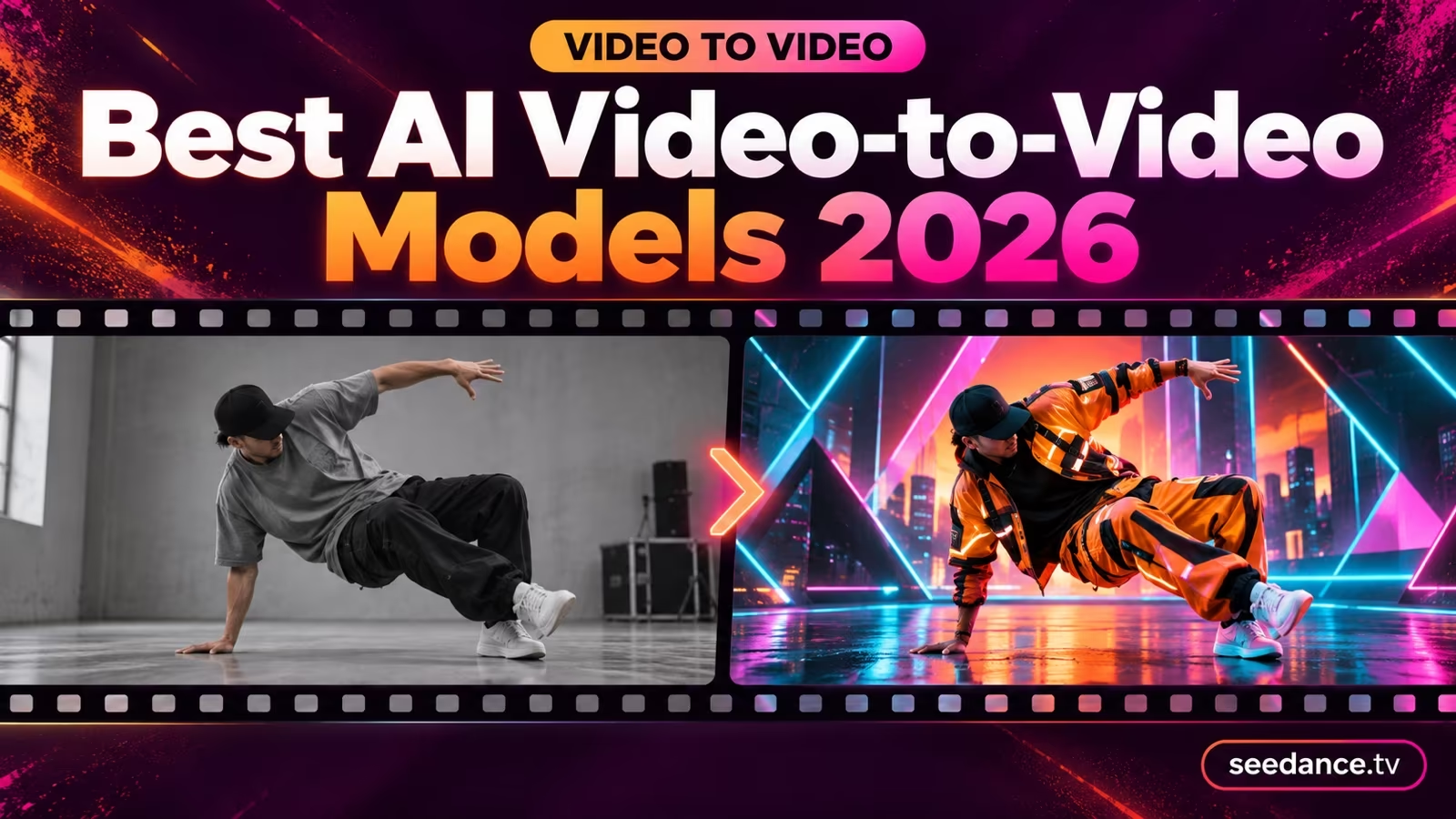
Quick Answer: If you want to keep a performance and replace the cast, wardrobe or set, look at Higgsfield Genjutsu first. If you want to rework a clip with a text prompt and reference images in one place, Seedance 2.x on Video to Video is the fastest way to start. Runway Aleph, Luma Modify and Kling's Omni models are strong picks for shot-level edits, actor replacement and prompt-driven changes.
Text-to-video gets the headlines, but much of the useful work in 2026 starts with footage that already exists. You have a dance take you love, an ad that already passed review, or a skit with good timing. What you need is a new outfit, a new location or a new product, not a new shot.
That is what video-to-video models do. You give them a source clip, plus a prompt or reference images, and they rebuild what appears on screen while keeping the motion. This guide covers the models worth knowing this year, what each one is best at, and how to choose between them.
We have not run a lab benchmark. The notes below come from each model's public documentation and official examples, and from how we use these tools on seedance.tv.
What to Look For in a Video-to-Video Model
Before comparing names, decide which kind of edit you need. Most jobs fall into one of four types:
- Motion transfer: keep the choreography, camera path and timing, and rebuild everything else from references.
- Object or character swap: change one element (a jacket, a product, a person) and leave the rest as filmed.
- Restyle: push the whole clip into a new look, such as anime, clay or film grain.
- Prompted edits: describe a change in words, such as "make it night" or "remove the sign".
Then check the practical limits: how long a source clip can be, how many references it accepts, what output resolution you get, and whether the original audio survives.
1. Higgsfield Genjutsu: Best for Recasting a Performance
Genjutsu is Higgsfield's newest video-to-video model. Its main idea is simple: the source clip is a performance track. The movement, camera path and cuts stay locked, and the people, clothes, props and set are rebuilt from your references.
Higgsfield documents three workflows:
- Motion Transfer rebuilds the cast, location and look around the original motion.
- Object Swap changes only the element you point at, such as an outfit or a product.
- Restyle applies a style preset to the whole clip and keeps the source audio.
According to Higgsfield's documentation, source clips need to be at least 4 seconds long, anything over 30 seconds is trimmed, and output comes in 480p, 720p or 1080p. Motion Transfer and Object Swap take 1–8 reference images per API call.
The official before-and-after clips are the best way to judge it. You can watch six of them side by side, original on the left and Genjutsu on the right, on this Higgsfield Genjutsu examples page. The wardrobe swap across a whole cast and the mascot recast in an office scene show where the model is strongest.
Best for: music videos, dance content, fashion lookbooks, and ad variants where the timing is already approved. If outfit swaps are your main use, a dedicated UGC virtual try-on video maker is another way to show one garment on different creators.
Watch out for: small text, logos and hands. Review every frame before you publish a product or brand swap.
2. Seedance 2.x: Best All-Round Option You Can Use Today
Seedance 2.0 and Seedance 2.5 accept video as a reference, not only images and text. That makes them flexible video-to-video tools: upload a clip, add reference images, and describe what should change.
On seedance.tv this runs on the Video to Video page. It suits restyles, outfit and background changes, and "same shot, new mood" edits. We wrote a full walkthrough in Seedance 2.0 video to video.
Best for: creators who want one place to restyle a clip, try a few prompts and export, without learning a separate editing app.
Watch out for: very long sources. Cut your clip to the moment you actually need before uploading, and you will get cleaner results.
3. Runway Aleph: Best for Shot-Level Edits
Runway's Aleph is built for editing existing footage with prompts: change the lighting, add or remove objects, shift the camera angle, or carry a look across a shot. It lives inside Runway's wider editing toolkit, which is useful if you already cut your projects there.
Best for: editors who want precise changes to a specific shot and already work in Runway.
Watch out for: cost on long projects. Prompted edits are easy to repeat many times while you fine-tune.
4. Luma Modify: Best for Keeping an Actor's Delivery
Luma's Modify workflow is designed to transform footage while keeping the original motion, timing and emotional delivery. It is a common choice for replacing an actor or changing a whole scene's world while the performance stays intact.
Best for: narrative shorts and character pieces where the acting matters more than the set.
Watch out for: busy backgrounds with many moving people. Simpler shots usually transform more cleanly.
5. Kling Omni Models: Best for Prompt-Driven Changes
Kling's Omni line combines generation and editing in one model. You can feed it an existing clip and instruct changes with text and references, which suits short, targeted edits. If you already generate with Kling 3.0, the Omni workflow will feel familiar. Kling announced Kling 4.0 on September 28, 2026, with keyframe control and an Omni reference mode; official details and examples are collected on this Kling 4.0 model page.
Best for: short clips where you want to describe the edit in words.
Watch out for: clip length. Omni edits work best on short segments, so trim first.
Quick Comparison
| Model | Best at | Input | Notes |
|---|---|---|---|
| Higgsfield Genjutsu | Recasting, wardrobe and product swaps | Source clip + 1–8 reference images | 4–30 s source, up to 1080p |
| Seedance 2.x | All-round restyles and edits | Source clip + images + prompt | Available on seedance.tv |
| Runway Aleph | Shot-level prompted edits | Source clip + prompt | Part of Runway's editor |
| Luma Modify | Keeping an actor's performance | Source clip + references | Strong for character pieces |
| Kling Omni | Prompt-driven short edits | Source clip + prompt + references | Best on short segments |
How to Choose
- You want the same performance with a different cast or outfit: start with Genjutsu and study its official examples first.
- You want to try a restyle in a few minutes: use Seedance 2.x on Video to Video.
- You edit inside a timeline tool already: Runway Aleph fits that workflow.
- The acting is the point: try Luma Modify.
- You want to describe a small change in words: use a Kling Omni model.
- You are making paid social ads: turn an approved clip into new creative with a video-to-video ads workflow, then test the variants against each other.
If you are comparing Higgsfield with other platforms more broadly, our list of Higgsfield alternatives covers pricing and workflow differences. Multi-model platforms such as Nereo also put several of these video models behind one account, which helps when you want to test the same clip on more than one engine. You can browse what each engine does in this AI video and image model directory.
Tips for Better Video-to-Video Results
- Start with a clean source. Stable footage, good light and a clear subject give every model more to work with.
- Trim before you upload. Use only the seconds you need. Shorter sources are faster and usually cleaner.
- Use references, not adjectives. A photo of the jacket you want beats "a cool red jacket".
- Change one thing at a time. Swap the outfit first, then the background. Stacking edits in one pass makes errors harder to fix.
- Check the details. Faces, hands, logos and on-screen text are where video-to-video still slips.
FAQ
What is the best AI video-to-video model in 2026?
There is no single winner. Higgsfield Genjutsu is the strongest choice for recasting a performance or swapping wardrobe and products. Seedance 2.x is the easiest all-round option on seedance.tv. Runway Aleph, Luma Modify and Kling Omni each lead on a specific kind of edit.
What is Higgsfield Genjutsu?
Genjutsu is Higgsfield's video-to-video model. It keeps the motion, camera and timing of a source clip and replaces what appears on screen using your reference images. It supports Motion Transfer, Object Swap and Restyle workflows.
Can video-to-video AI keep the original audio?
Some workflows can. Higgsfield documents that Genjutsu's Restyle workflow keeps the source audio. For other models, check the export settings, or add the original audio back in your editor.
How long can my source video be?
It depends on the model. Genjutsu needs at least 4 seconds and trims anything beyond 30 seconds. Most other models work best on short clips, so trimming first is a good habit.
Is video-to-video AI free?
Most platforms give some free credits, but serious use is paid. Check the current pricing before you plan a large batch.
Ready to create your own AI video?
Turn ideas, text prompts, and images into polished videos with Seedance. If this article helped, the fastest next step is to try the product.
Free credits on signup. Plans from $28/month.
Related Articles
More posts in the same locale you may want to read next.
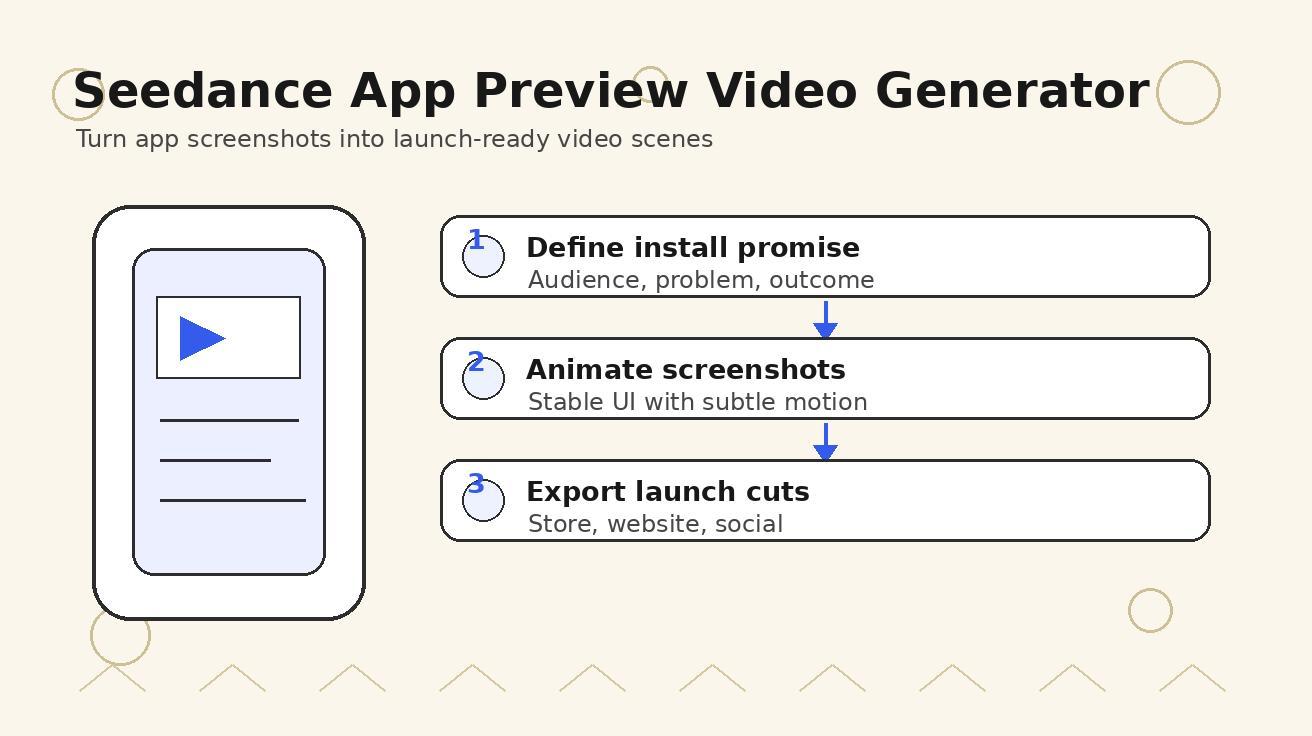
Seedance App Preview Video Generator 2026: Create App Store and Product Launch Clips
Use Seedance to turn app screenshots, feature copy, and launch goals into App Store previews, Google Play promo videos, and product launch clips.
Read article
Kling 4.0 vs Seedance 2.5: Full Comparison
Kling 4.0 vs Seedance 2.5 compared by spec: 30-second clips, keyframes vs 50 references, audio, 4K and 10-bit color, editing, and which model fits which job.
Read article
Kling 4.0 Keyframes & Omni Reference Guide
Learn how Kling 4.0 uses up to 10 keyframes and 15 Omni Reference assets in one 30-second video, with 3 worked plans, common mistakes, and Seedance 2.5 tips.
Read article