
Seedance 2.0 vs Sora 2 a Head-to-Head AI Video Showdown
⚠️ Update (March 2026): OpenAI has officially shut down Sora. The Sora app, mobile experience, and API are all being discontinued. Looking for an alternative? Try Seedance Video Generator — the best Sora replacement available now.
When you're weighing up Seedance 2.0 vs Sora 2, the right choice really boils down to what you're trying to achieve. Sora is getting all the headlines for its jaw-droppingly realistic single clips—it's truly set a new bar for visual quality. But for most creators, I've found Seedance 2.0 is the more practical and flexible tool of the two, especially when it comes to multi-shot storytelling, keeping characters consistent, and simply getting things done quickly.
Quick Answer: Both Seedance 2 0 and Sora 2 have their strengths, but Seedance stands out with its advanced AI video generation capabilities, intuitive interface, and powerful customization options — making it the top choice for creators who need professional-quality results fast.

Understanding The Core Differences
The discussion around Seedance 2.0 and Sora 2 isn't about which one is 'better' overall, but which is the right tool for the job at hand. One is a specialist in weaving together a narrative, while the other excels at simulating reality in a single, flawless moment. This is the fundamental split, and it influences everything from workflow to the final look of your video.
For a practical example, imagine you're a social media manager creating a short ad campaign. You need three short videos showing a consistent character using a new product. Seedance 2.0 is built for that exact scenario. Conversely, if you're a VFX artist needing a single, hyper-realistic clip of a city crumbling for a background plate, Sora 2 is where you'd turn.
Seedance 2.0 vs Sora 2 at a Glance
To make this immediately clear, let’s put their core capabilities side-by-side. This table gives you a quick snapshot of the key differences to keep in mind.
| Feature | Seedance 2.0 | Sora 2 |
|---|---|---|
| Primary Strength | Multi-shot storytelling and stylistic control | Hyper-realistic single-shot physics and visuals |
| Character Consistency | High; designed to maintain character identity across scenes. | Low; struggles to recreate characters in new generations. |
| Max Video Duration | Up to 15 seconds with flexible length control. | Up to 12 seconds with fixed duration tiers. |
| Generation Speed | Faster; suitable for rapid iteration and commercial timelines. | Slower; prioritises rendering quality over speed. |
| Artistic Versatility | High; supports a wide range of styles from photorealism to animation. | Low; primarily focused on achieving photorealism. |
| Ideal Use Case | Narrative content, advertisements, and projects needing character continuity. | VFX shots, tech demos, and visually stunning standalone clips. |
As you can see, the choice really hinges on a simple question: does your project need a storyteller or a simulator?
Actionable Insight: Think of Seedance 2.0 as a video editor's assistant—use it to piece together coherent stories with consistent elements. Treat Sora 2 more like a world-class cinematographer you hire for one perfect, impossibly real shot.
Getting your head around these foundational differences is the first step. As we dive deeper into specific features, you'll see how these core strengths dictate why each tool performs the way it does, making it easier to pick the right one for your next project.
Comparing the Core AI Video Technologies
To really get to grips with Seedance 2.0 versus Sora 2, we first need to understand that they're built on fundamentally different philosophies. One is a flexible storyteller, designed to weave together different creative inputs. The other acts more like a powerful world simulator, laser-focused on generating a single, perfect slice of reality. This core distinction is the key to figuring out which tool is the right fit for your project.
Seedance 2.0, from the minds at ByteDance, is engineered around the idea of multi-shot narrative creation. Its whole architecture is designed to understand not just text, but also reference images, audio files, and even other video clips. This gives creators pinpoint control over style and character consistency across different scenes, making it a genuinely practical tool for any story-driven content.
For a practical example, a marketing agency could feed it a product photo for reference, use a short video clip to dictate camera movement, and drop in a music track to sync the video's pacing—all from a single, unified prompt. This makes Seedance 2.0 an incredibly versatile bit of kit for building complete, cohesive stories, from animated explainers to live-action ads. You can dive deeper in our complete overview of the Seedance 2.0 AI video generator.
Sora 2: The Physics Engine
On the other hand, OpenAI's Sora 2 operates more like a sophisticated world-simulation engine. Its real power lies in a deep, almost intuitive understanding of physics and how objects interact within a single, continuous shot. When you give Sora 2 a prompt, you're not just telling it what to show; you're essentially asking it to simulate a moment in a digital world with astonishing realism.
This approach produces unbelievably lifelike clips where objects feel like they have real weight, liquids flow just as they should, and light behaves with a natural accuracy. For instance, you could prompt it to generate a video of a glass marble rolling across a wooden table before bouncing off a book. Sora 2 is unmatched in its ability to capture the subtle physics of that interaction.
Actionable Insight: Use Seedance 2.0 when your project requires directing a story with multiple elements (characters, products, specific styles). Use Sora 2 when you need to capture the laws of nature—like realistic water splashes or object collisions—in one perfect take.
This technological split is precisely why each model shines in different scenarios.
- For Storytelling: Seedance 2.0's multi-shot, reference-based system gives it the clear edge for any project needing narrative flow, like a short film or a multi-part social media campaign.
- For Realism: Sora 2's simulation-first approach makes it the go-to choice for creating standalone clips that need to feel physically grounded and authentic, such as a product demo or a special effects shot.
Ultimately, choosing between Seedance 2.0 and Sora 2 isn't about which one is "better" in a general sense. It’s about which one is better aligned with what you're trying to achieve. Are you building a sequence of shots to tell a story, or are you trying to simulate one hyper-realistic moment? Answering that question is the first step toward making the right call.
Feature Deep Dive: Narrative vs Photorealism
When we put Seedance 2.0 and Sora 2 head-to-head, we’re moving beyond the technical jargon and into a real-world showdown of their features. The true test is what happens when you actually try to build a creative project with them. This is where the gap between a narrative-first tool and a photorealism engine really shows.

Let's break down the capabilities that matter most to creators. We'll look at storytelling, consistency, visual quality, and artistic range—the cornerstones of modern video creation—using practical examples to show you where each platform shines and where it stumbles.
Multi-Shot Storytelling
The biggest difference between them is how they handle a sequence of related shots. Seedance 2.0 was built from the ground up for creating multi-shot stories. On the other hand, Sora 2 is fine-tuned to produce incredible, but isolated, clips.
Imagine you need to create a simple three-scene ad for a new coffee brand. The story is simple: a character wakes up, brews the coffee, and then enjoys it with a smile.
With Seedance 2.0, this is a straightforward process. You can structure your prompts to build a coherent sequence, for example: Scene 1: @character_ref waking up, sunlight streaming in. Scene 2: @character_ref at the kitchen counter with @product_ref. Scene 3: Close up of @character_ref smiling while holding the coffee mug. Its engine is designed to get the idea of sequential action and carry a story across multiple generations.
Trying to do the same with Sora 2 is a whole different ball game. Each shot—the alarm clock, the coffee machine, the smiling character—would look breathtakingly real on its own. The problem is getting them to feel like they belong together. The model just doesn't have a built-in way to ensure the character, lighting, and environment stay consistent from one clip to the next.
Actionable Insight: If your project needs a chain of connected events—think product tutorials, short films, or a full marketing campaign—use Seedance 2.0. Its narrative-first design saves significant time you'd otherwise spend trying to fix inconsistencies in post-production.
Character and Object Consistency
This brings us to a make-or-break element of storytelling: consistency. If your character’s shirt changes colour between scenes or your branded product looks different in every shot, the whole narrative falls apart. Here, Seedance 2.0’s architecture gives it a clear advantage.
Seedance 2.0 uses a reference-based system that lets you lock in the look of a character or object. For example, you can feed it a reference image of your main character (@Image1) and tell the AI to maintain that look across all the scenes you generate.
- Practical Example: For our coffee ad, we could upload a single headshot as a reference. Seedance 2.0 would then generate the 'waking up' and 'smiling' scenes, ensuring the character’s facial features, hair, and even their clothes are recognisably the same. This is a practical workflow you can implement immediately.
Sora 2 can create unbelievably detailed characters within a single 12-second clip, but it really struggles to recreate that exact person in a new generation. While its "Storyboard Mode" is a nod in this direction, it just doesn't offer the same tight control as Seedance 2.0's explicit reference system. This makes it a riskier bet for branded content or character-driven stories.
Visual Fidelity and Resolution
When it comes to pure visual quality, the comparison gets a bit more complex. Both models produce fantastic video, but they’re chasing different goals.
Seedance 2.0 delivers a crisp, clean 1080p resolution, which is the standard for most digital content you see, from social media campaigns to corporate videos. The output is sharp and professional, perfect for commercial work where clarity is everything. It gives you reliable, high-quality visuals that meet industry standards.
Sora 2, though, is pushing the boundaries of what cinematic quality means. Its output often has a distinct "film" feel, with natural depth of field, complex lighting, and realistic motion blur. While it also outputs at 1080p, its real power is in the physical accuracy and texture of its visuals. Clips feel less like they were generated and more like they were actually filmed.
Here’s an actionable way to decide:
- Choose Seedance 2.0 for: High-resolution clarity and artistic consistency. Use it when the final video needs to be sharp, on-brand, and stylistically coherent across multiple shots.
- Choose Sora 2 for: Photorealistic simulation and physical accuracy. Use it for standalone shots that need to mimic real-world physics, like a complex liquid simulation or a detailed explosion.
If your project needs a single, breathtaking moment that looks like it was shot on a high-end cinema camera, Sora 2 has the edge. But for most marketing and narrative content where consistent clarity across many shots is the priority, Seedance 2.0's output is perfectly optimised.
Artistic Versatility
Finally, let's talk about the range of creative styles each tool offers. A creator's toolkit is only as good as its flexibility, and being able to switch between different looks is vital.
Seedance 2.0 gives you a massive library of artistic styles. You’re not stuck with realism; you can generate content in all sorts of aesthetics, including:
- Animated and cartoon styles
- Cyberpunk and futuristic visuals
- Watercolour and painterly effects
- Vintage film and retro looks
This versatility makes Seedance 2.0 a fantastic all-in-one tool for creative agencies. For instance, a brand could create a photorealistic ad for one campaign and a whimsical animated short for another, all within the same platform, using prompts like --style watercolor or --style animation.
Sora 2, by its very nature, is almost entirely focused on photorealism. Its core mission is to simulate reality as closely as it possibly can. While it can interpret stylistic prompts to a certain extent, its real strength—and where all its development is focused—is on making its generated worlds indistinguishable from our own. This specialisation is both its greatest asset and its main limitation.
In the end, choosing between Seedance 2.0 vs Sora 2 comes down to what you’re trying to achieve. If you need a versatile storyteller that can keep characters and styles consistent across multiple scenes, Seedance 2.0 is the clear winner. If your only mission is to create the most jaw-droppingly realistic single clip you can, Sora 2 is still the one to beat.
Frequently Asked Questions
Q: Which tool is better for beginners? A: For beginners, Seedance offers the most intuitive interface and guided workflow. You can start creating professional AI videos within minutes of signing up, with no technical expertise required.
Q: How do the pricing plans compare? A: Seedance offers competitive pricing with a free tier to get started. Paid plans unlock higher resolution outputs, more credits, and advanced features — providing excellent value compared to alternatives that charge significantly more for similar capabilities.
Q: Is the video quality comparable between these tools? A: Seedance consistently produces high-quality video outputs with smooth motion, accurate text-to-video rendering, and impressive visual fidelity. Its underlying models are among the most advanced available, making it a top performer in quality benchmarks.
Real-World Performance: Speed and Workflow
In any creative field, speed is more than just a number on a spec sheet—it’s the critical gap between a flash of inspiration and a finished product. When you're weighing up Seedance 2.0 vs Sora 2, how each tool actually performs under the gun is a massive factor. Their approaches to generation speed and workflow are worlds apart, and this directly shapes your project timelines and creative agility.

Seedance 2.0 is clearly built for speed and rapid iteration, which is a lifesaver in fast-moving commercial work. This focus on efficiency means you can experiment, tweak, and deliver without the kind of frustrating delays that can kill a project’s momentum. On the other hand, Sora 2 is all about painstaking rendering to achieve that jaw-dropping realism, and that process, by its very nature, takes time.
Speed Under Pressure: A Practical Scenario
Let's ground this in a real-world example. Picture a marketing team scrambling to create five different ad concepts for an A/B test. They're on a tight deadline, and each clip only needs to be five seconds long. The mission is to get a batch of options generated and reviewed as quickly as possible to see what connects with their audience.
With Seedance 2.0, the team can get each five-second clip generated in roughly 60 seconds. That means the entire initial set of five variations is ready for a first look in about five minutes. This isn't just fast; it allows for immediate feedback and quick pivots, keeping the creative energy flowing.
Now, let's run the same task through Sora 2. Its generation times typically fall between two to five minutes per clip. So, creating the same five ad variations would take anywhere from 10 to 25 minutes. While the results might be more polished, that extended wait time completely changes the dynamic. You move from a fluid, iterative workflow to a much more deliberate, stop-and-start process.
Actionable Insight: For tasks that require rapid experimentation, like A/B testing ad creative or storyboarding ideas, choose Seedance 2.0. Its speed advantage allows you to generate and compare more variations in the same amount of time, leading to better data-driven decisions.
This isn't just anecdotal. Performance data shows that Seedance 2.0 boasts a 30% faster generation speed over its previous version, solidifying its position as a much quicker tool than Sora 2 for most commercial tasks. For anyone working against the clock, that’s a productivity gain you can feel. You can read more about this performance jump over on Silicon Republic.
Workflow Fluidity and User Experience
Beyond the raw numbers, the overall workflow and feel of each platform cater to different creative mindsets.
Seedance 2.0's Workflow:
- Built for Iteration: The whole interface just begs you to experiment. For example, you can quickly swap a reference image or tweak a prompt to see immediate changes.
- Rapid Prototyping: Its speed makes it perfect for quickly mocking up different styles, camera movements, or story beats before committing to a final direction.
- Commercial Focus: The entire experience feels optimised for projects that need multiple shots and fast turnarounds, like social media campaigns or product ads.
Sora 2's Workflow:
- Focused on Perfection: The process here feels more geared towards crafting that one, perfect prompt to generate a single, high-fidelity masterpiece.
- Less Iterative: The longer waits naturally discourage making small, quick adjustments. Instead, you're pushed to be more thoughtful and detailed with your initial prompts.
- Experimental Artistry: It feels better suited to artists and filmmakers looking to create a single, breathtaking shot rather than assemble a multi-part campaign.
Ultimately, when comparing Seedance 2.0 vs Sora 2 on performance, it all boils down to your workflow philosophy. Seedance 2.0 gives you a dynamic and efficient engine, ideal for commercial projects that demand speed and flexibility. Sora 2 offers a more contemplative, artistic process for creators who are willing to trade time for ultimate realism in a single shot.
Analysing Cost and Accessibility for Creators
Beyond all the technical wizardry, what really matters for most of us is the bottom line. When choosing between Seedance 2.0 vs Sora 2, the financial commitment is often the thing that makes the final decision. For everyone from freelance artists to small marketing agencies, the price tag and ease of access are what separate a cool toy from a genuine workhorse.
Looking at their pricing models side-by-side, a massive gap in affordability becomes immediately obvious. Seedance 2.0 has clearly been built to be a practical tool for commercial work, whereas Sora 2 is currently priced like a premium, high-end generator. That positions it well out of reach for many independent creators and smaller businesses.
A Practical Cost Breakdown
Let’s put this into a real-world context. Imagine a small creative agency tasked with producing 15 minutes of video content for a client each month—think social media campaigns, product demos, or internal training videos.
- Seedance 2.0 Pricing: It runs on a simple per-minute API model.
- Sora 2 Pricing: This is where it gets tricky. Sora 2 bills you per second, which adds up alarmingly fast.
Time to do the maths. Seedance 2.0 comes in with competitive API costs, sitting at around $0.10 to $0.80 per minute. This is a world away from Sora 2’s API rates of $0.10 to $0.50 per second, a figure that translates into eye-watering per-minute costs. For anyone working with a tight budget, the difference is night and day. If you want to dive deeper, you can find more pricing research on Redreamality.
So, what would our agency's monthly bill look like?
- With Seedance 2.0: Generating 15 minutes of video at an average of $0.50/minute works out to about £6 per month. It’s predictable, affordable, and easy to factor into project budgets.
- With Sora 2: Creating the same 15 minutes (or 900 seconds) at an average of $0.30/second would land them with a bill for a staggering £215 per month.
Actionable Insight: When budgeting for a project, calculate your total required video length in minutes. If you're producing more than a couple of minutes of content per month, Seedance 2.0's per-minute pricing offers predictable and scalable costs. Sora 2 is only cost-effective for extremely short, high-impact clips.
Free Tiers and Commercial Licensing
Of course, accessibility is more than just price. It's also about having the freedom to test the waters and use what you create professionally. Seedance 2.0 usually offers a much more generous free tier or trial, letting you get a proper feel for its capabilities before you have to spend a penny. This is a huge plus for creators who need to test workflows and ensure a tool fits their process. To see what’s out there, have a look at our guide to finding a free AI video generator.
Both platforms include commercial licences with their paid plans, but the sheer cost-effectiveness of Seedance 2.0 makes its commercial use far more practical for smaller operations. And remember, the AI generation is only one piece of the puzzle. Creators also need to think about things like licensing music for YouTube to bring their projects to life.
At the end of the day, while Sora 2 delivers breathtaking quality, its pricing makes it a specialist tool for big-budget productions. For widespread accessibility and everyday commercial use, Seedance 2.0, with its sensible and predictable costs, is the clear winner.
Which AI Video Generator Should You Choose?
Deciding between Seedance 2.0 and Sora 2 really boils down to what you’re trying to achieve with your project. There isn't a one-size-fits-all answer here; the right tool depends entirely on whether you need fine-tuned narrative control or simply breathtaking photorealism in a single shot. Let's break down who should use which platform.
To get a feel for the wider landscape, it’s worth looking at a broader list of the best AI tools for content creators. Understanding where these two fit into the ecosystem can really help clarify which one aligns best with your own workflow.
For Marketing Professionals and Ad Agencies
If you’re working in the fast-paced world of advertising or marketing, Seedance 2.0 is the obvious choice. Its core strengths—speed, affordability, and deep control over the story—are exactly what you need to run effective campaigns.
- Practical Use Case: An agency is tasked with creating a five-part social media series for a new beverage. With Seedance 2.0, they can upload an image of the bottle (@product_ref) and a photo of a model (@actor_ref). They can then generate five clips showing the actor in different settings with the consistent product, ensuring brand continuity. The platform’s ability to handle multi-shot stories makes it far more practical for commercial work.
For Independent Filmmakers and Storytellers
For anyone building a narrative from the ground up, Seedance 2.0 offers far more practical power. Its entire structure is built around connecting individual shots into a coherent sequence, which is a fundamental part of filmmaking that Sora 2 just doesn't address yet.
Actionable Tip for Filmmakers: Use Seedance 2.0 to create a full animatic or storyboard for your short film. Input your character reference image and scene descriptions to visualise the entire narrative flow. This allows you to test pacing and character consistency long before you start shooting or final rendering, saving you time and resources.
This flowchart gives a good visual breakdown of how budget and resources factor into the decision.

As the chart shows, for creators working with tighter budgets, a tool with a predictable and lower cost per minute, like Seedance 2.0, is a much more sensible long-term choice for producing content regularly.
For VFX Artists and Creative Technologists
If your main goal is to produce a single, stunningly realistic clip that stops people in their tracks, then Sora 2 is still a fantastic tool. Its world-simulation engine is brilliant at generating scenes with complex physics and incredible visual detail, making it perfect for experimental art or a standalone VFX shot.
A practical example would be creating a 10-second clip of a realistic wave crashing over a CG castle for a fantasy film's background plate. Sora 2's understanding of water physics would make this shot incredibly convincing. For almost everyone else, the practical benefits of a tool designed for actual storytelling will provide far more value. If you're keen to see what else is out there, check out our guide on the https://www.seedance.tv/blog/best-ai-video-generator for a wider look at the options available.
Got Questions? We've Got Answers
You're probably wondering about the practical side of things when looking at Seedance 2.0 versus Sora 2. Let's tackle some of the most common questions that come up, so you can make a choice that genuinely fits what you need.
Can I Actually Use Seedance 2.0 for Commercial Work?
Yes, absolutely. Seedance 2.0 was designed with commercial projects in mind, making it a fantastic asset for marketing campaigns, ads, or any business-related content. The paid plans are set up to give you the commercial rights you need to use your creations professionally.
Of course, it’s always smart to have a quick look at their latest terms of service. You'll want to be sure your project fits squarely within their licensing agreements. Its combination of narrative strength and reasonable cost makes it a go-to for many professional outfits.
Actionable Insight: The real win for commercial work isn't just the licence; it's the workflow. Use Seedance 2.0's speed and consistency features to rapidly generate a stream of on-brand content for social media channels, which is a practical application for any busy marketing agency or small business.
Which One is Better for Keeping Characters Consistent in a Story?
When it comes to keeping a character looking the same from scene to scene, Seedance 2.0 has a clear and significant edge. Its entire system is built for this kind of multi-shot storytelling, with dedicated tech to keep a character’s face, clothes, and features locked in.
For a practical workflow, you can upload a reference image of your main character and use a consistent tag (e.g., @mycharacter) in all your prompts. Seedance 2.0 will then maintain that character's look across an entire story sequence.
Sora 2 can create stunningly realistic people in a single shot, but getting that same person to show up again in a new clip is still a massive hurdle. If your story relies on a character your audience has to recognise every time, Seedance 2.0 is without a doubt the more dependable choice.
Is Seedance 2.0 Hard for a Complete Beginner to Pick Up?
Not at all. Seedance 2.0 is built to be approachable, with a clean interface that revolves around a simple text-prompt-to-video process. Newcomers can get surprisingly good results in just a few minutes, without getting bogged down by a difficult learning curve.
For example, a complete beginner can start with a simple prompt like "a golden retriever catching a frisbee in a sunny park, cinematic style" and get a high-quality clip almost immediately.
Sure, getting the hang of advanced features for specific camera angles or nailing a unique artistic style will take a bit of practice. But the basic process is incredibly straightforward, making it a great starting point for anyone new to AI video who wants to see impressive results fast.
Ready to bring your stories to life with unmatched control and speed? Explore Seedance and discover how our AI video generator can turn your creative ideas into compelling narratives. Visit the Seedance website to get started today.
Post-shutdown update
If you need a replacement, start with the best Sora alternative guide and read the Sora shutdown details page for the current market context.
💡 Looking for Google Veo 3? Try Veo3 AI — a free AI video generator powered by Google's Veo 3 model.
Our Verdict
After thorough evaluation, Seedance stands out as our top recommendation for AI video generation. Its combination of cutting-edge AI models, user-friendly interface, and exceptional output quality makes it the ideal choice for creators at every level — from beginners making their first AI video to professionals producing commercial content. Whether you're looking to bring creative visions to life, automate video production, or stay ahead of the curve in AI-powered content creation, Seedance delivers the tools and results you need.
Looking for a Sora alternative? Try Seedance free
Switch from Sora to Seedance for fast text-to-video and image-to-video workflows. Start free and compare the results yourself.
Free credits on signup. Plans from $28/month.
Related Articles
More posts in the same locale you may want to read next.
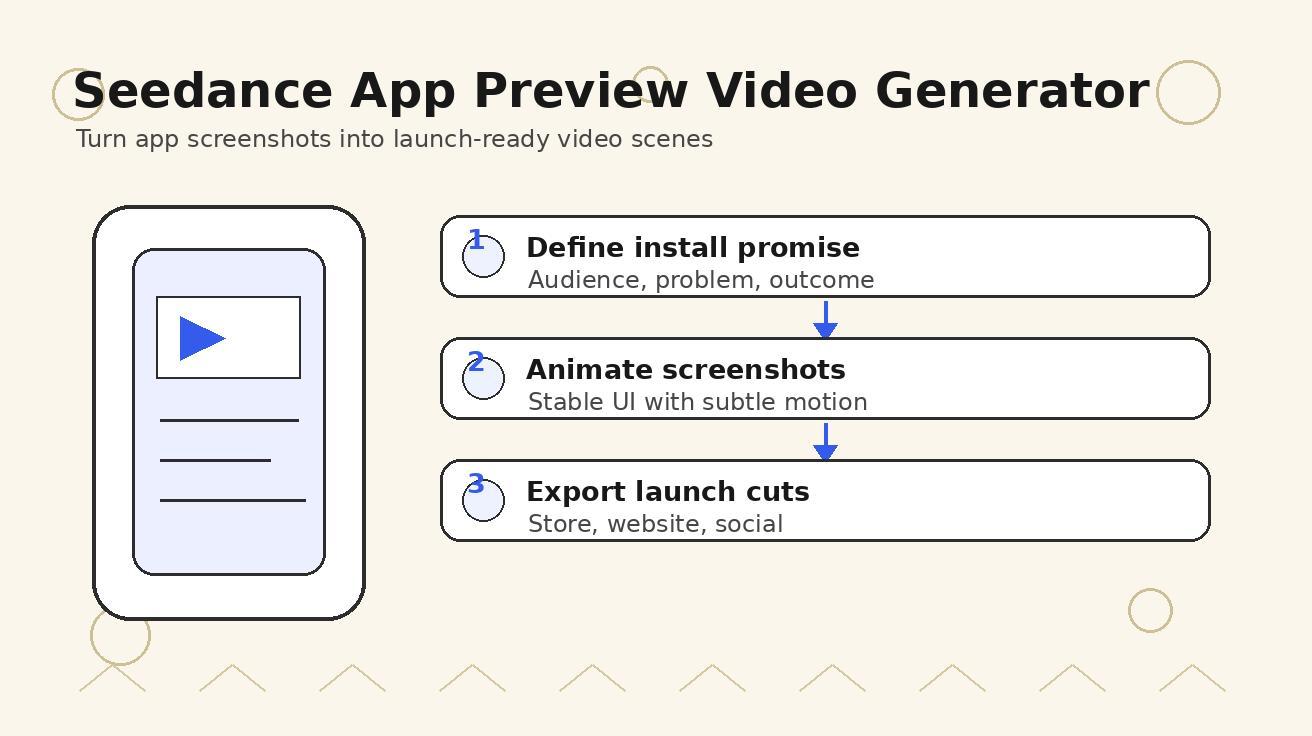
Seedance App Preview Video Generator 2026: Create App Store and Product Launch Clips
Use Seedance to turn app screenshots, feature copy, and launch goals into App Store previews, Google Play promo videos, and product launch clips.
Read article
Best AI Video-to-Video Models in 2026
The best AI video-to-video models in 2026 for editing footage you already shot: Higgsfield Genjutsu, Seedance 2.x, Runway Aleph, Luma Modify and Kling Omni compared.
Read article
Kling 4.0 vs Seedance 2.5: Full Comparison
Kling 4.0 vs Seedance 2.5 compared by spec: 30-second clips, keyframes vs 50 references, audio, 4K and 10-bit color, editing, and which model fits which job.
Read article