
Higgsfield vs Artlist AI: Which Is Worth It for Video Creators in 2026?

AI Overview
What is the main difference between Higgsfield and Artlist for AI video?
Higgsfield is a motion-first AI creation platform built around cinematic generation and camera control. Artlist combines AI video with music, SFX, stock footage, templates, voiceover, and commercial licensing in a broader production ecosystem.
Which is better value for content creators in 2026?
Higgsfield is usually the better fit when generated video is the main deliverable. Artlist can be better value when the same subscription must also cover licensed music, footage, sound, and other production assets.
How do Higgsfield and Artlist compare on pricing?
Both use credits, and both vary cost by model and settings. Higgsfield starts lower for individual access; Artlist's visible entry offer costs more but includes a wider asset and licensing workflow.
Is there a better alternative to both Higgsfield and Artlist for AI video?
Seedance is worth testing when you want a focused browser workflow for text-, image-, and reference-led video without paying mainly for a large stock catalog.
Higgsfield vs Artlist: Quick Comparison
| Dimension | Higgsfield | Artlist AI |
|---|---|---|
| Primary use | Cinematic AI image and video creation | AI creation plus licensed production assets |
| Video workflow | Motion-first studios, model choice, character and ad tools | AI video inside a broader editing and asset ecosystem |
| Camera control | Strong preset and studio-based direction | Model-dependent controls inside Toolkit and Studio |
| Music/SFX | AI audio tools are available | Licensed music and SFX are a core strength |
| Pricing shape | Monthly credit plans with model-dependent usage | Monthly or annual AI plans; stock bundles are typically annual |
| Best for | Creators whose main output is generated video | Editors who need generation, stock, audio, and licensing together |
What Is Higgsfield AI?
Higgsfield is no longer only a character-animation tool. Its current workspace spans image, video, audio, cinematic shot design, marketing workflows, character identity tools, and access to multiple generation models. Its clearest product identity is still motion: creators can design a shot around a camera path, subject action, start/end frames, or a reusable character.

Motion-first workflows are easiest to judge when one subject, one camera path, and one action remain readable throughout the clip.
Core Strengths
- Cinematic shot planning, camera presets, and motion-oriented creative controls.
- A broad model catalog for testing different looks without rebuilding the workflow elsewhere.
- Character, advertising, lip-sync, and production tools aimed at frequent AI creators.
- Monthly entry options for users who want to test before making a larger commitment.
Limitations
- Credit use changes by model, duration, resolution, and premium workflow, so the cost of a usable final clip is not obvious from the monthly allowance alone.
- The number of studios, models, presets, and plan rules creates a learning curve.
- A strong camera effect cannot rescue identity drift, broken hands, or unstable product geometry; full-clip review is still required.
For another motion-first comparison, read Higgsfield vs Runway.
What Is Artlist AI?
Artlist began with licensed music and sound, then expanded into footage, templates, plugins, voiceover, AI image, AI video, AI music, and a cinematic Studio workflow. That history matters: Artlist is designed for the whole edit, not just the generated shot.
Core Strengths
- Licensed music, SFX, footage, templates, and creative tools in one account.
- AI video, image, voiceover, and music credits share a broader production workflow.
- Pro licensing is structured for social, advertising, client, broadcast, and commercial projects, subject to the current plan terms.
- Useful for editors who would otherwise manage separate subscriptions for generation and finishing assets.
Limitations
- The best value depends on using several parts of the bundle; video-only creators may pay for assets they rarely touch.
- Credits are shared across AI media types and do not roll over, so expensive settings can reduce the expected monthly volume quickly.
- Unlimited generation applies only to selected models and plan conditions, not every video configuration.
Output Quality: AI Video Generation Compared
Character Animation and Realism
Neither platform has one fixed quality level because both expose multiple models and settings. Higgsfield gives character and motion workflows more prominence, while Artlist places generation inside a larger production suite. For a fair test, use the same reference image, prompt, duration, aspect ratio, resolution, and two-take budget.
Review complete clips for face identity, hands, clothing, object geometry, lip sync, and frame-to-frame flicker. A provider success message proves technical completion, not that the shot is ready for a client.

A useful realism benchmark contains several failure surfaces: a face, hands, fabric motion, a rigid object, reflections, and grounded movement.
Camera Movement and Cinematography
Higgsfield has the clearer advantage when the camera move is the idea. Preset- and studio-led control makes orbit, dolly, crash zoom, FPV, and multi-axis motion easier to stage deliberately. Artlist can generate cinematic motion, but control depends more heavily on the selected model and Studio workflow.
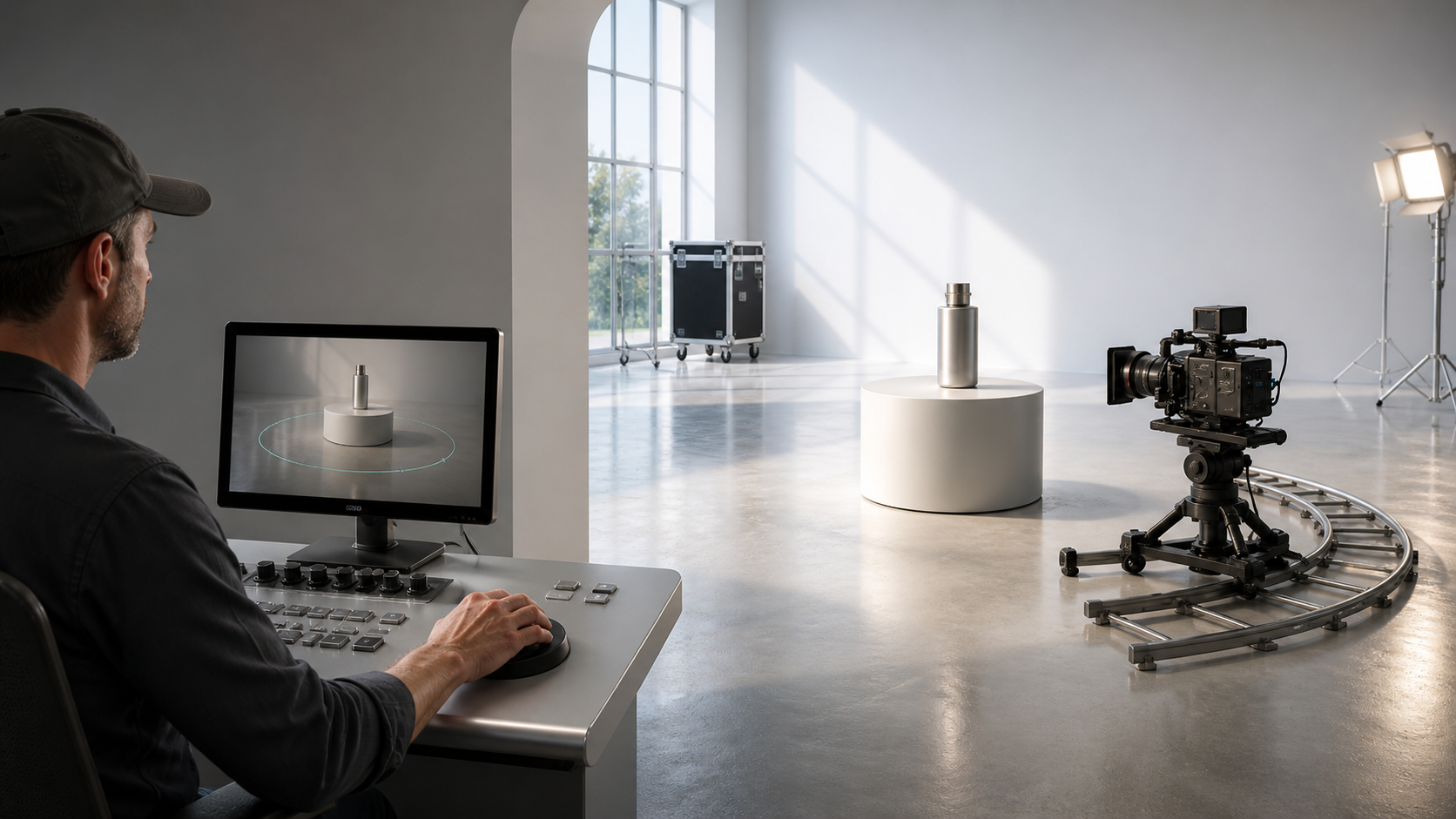
The practical choice is not “preset or prompt” in isolation; it is which control method reaches a usable shot with fewer paid attempts.
A real matched Seedance benchmark used to show what a fair camera-control test should isolate. These are evaluation examples, not Higgsfield or Artlist outputs.
Scene and Environment Video
The gap narrows for landscapes, product scenes, abstract motion, and establishing shots. Here, underlying model quality and prompt discipline matter more than platform identity. Start with Text to Video for scene exploration, use Image to Video when appearance must stay anchored, and keep each test to one dominant action.
Pricing Breakdown
Higgsfield Pricing
As checked on August 8, 2026, Higgsfield's public individual plans start around $9 per month with 120–270 credits at the entry tier. Higher tiers increase credits, concurrency, model access, and selected unlimited allowances. Regional offers vary, and the generation button is the best source for the cost of a specific model, length, and resolution.
Artlist Pricing
Artlist's visible annual AI Starter offer is $11.99 per month billed annually with 16,500 monthly AI credits. Its help center also describes monthly and annual AI Suite tiers, while stock-inclusive Max plans are annual. Raw credit totals are not comparable with Higgsfield because each platform prices models and media types differently.
Which Gives Better ROI?
- Choose Higgsfield ROI when cinematic generation is the paid task and its controls reduce retries.
- Choose Artlist ROI when licensed music, SFX, footage, templates, voiceover, and AI generation all replace separate subscriptions.
- Calculate cost per first usable deliverable, not cost per technically completed generation.
For a wider selection framework, compare the task types in our best AI video generation models guide.
What Reddit Users Say About Higgsfield vs Artlist
Public creator discussions are mixed, but the questions repeat: how quickly premium settings consume credits, which models qualify for “unlimited” use, whether client assets fit the platform's current terms, and whether an all-in-one subscription actually replaces other tools.
Higgsfield is often favored for motion experimentation and model breadth. Artlist attracts editors who value licensing and a complete asset pipeline. Treat these comments as workflow signals, not quality benchmarks; run one matched project before subscribing.
Which Should You Choose?
Choose Higgsfield if…
- AI-generated video is your primary output.
- Camera choreography, character shots, and rapid motion experiments matter most.
- You are comfortable monitoring model-specific credits and plan rules.
Choose Artlist if…
- You already need licensed music, SFX, footage, or templates.
- AI video is one stage inside a larger editing and client-delivery workflow.
- Consolidating assets and commercial licensing is more valuable than the lowest video-only entry cost.
Consider Seedance if…
- You want a focused AI video workspace without making a stock catalog the center of the subscription.
- Your workflow moves between text, images, and references, or you create repeatable product ad videos.
- You want to test the real task first; start on Seedance and compare the complete clip, paid attempts, and time to a usable result.
Conclusion
Higgsfield and Artlist now overlap, but they still optimize different creative jobs. Higgsfield is the stronger motion-first choice for creators who live inside AI generation. Artlist is the stronger production-suite choice for editors who need AI media, licensed audio, stock footage, templates, and delivery rights together.
Do not choose from a demo reel or raw credit number. Run the same brief, inputs, duration, resolution, and attempt budget in each platform, then judge the first result you could actually publish.
Ready to create your own AI video?
Turn ideas, text prompts, and images into polished videos with Seedance. If this article helped, the fastest next step is to try the product.
Free credits on signup. Plans from $28/month.
Related Articles
More posts in the same locale you may want to read next.

Seedance App Preview Video Generator 2026: Create App Store and Product Launch Clips
Use Seedance to turn app screenshots, feature copy, and launch goals into App Store previews, Google Play promo videos, and product launch clips.
Read article
How to Keep Product Shape Consistent in AI Video Ads
Lock product geometry, packaging, labels, references, camera angles, and approval checks so AI video ads preserve the real SKU across every shot.
Read article
How to Make AI Video Follow a Multi-Step Action
Plan atomic actions, state transitions, timing, continuity, and shot handoffs so an AI video completes a sequence in the intended order.
Read article