
Seedream 5.0 vs Nano Banana 2: Speed, Quality, and Which to Use in 2026
AI Overview
What is the core difference between Seedream 5.0 and Nano Banana 2?
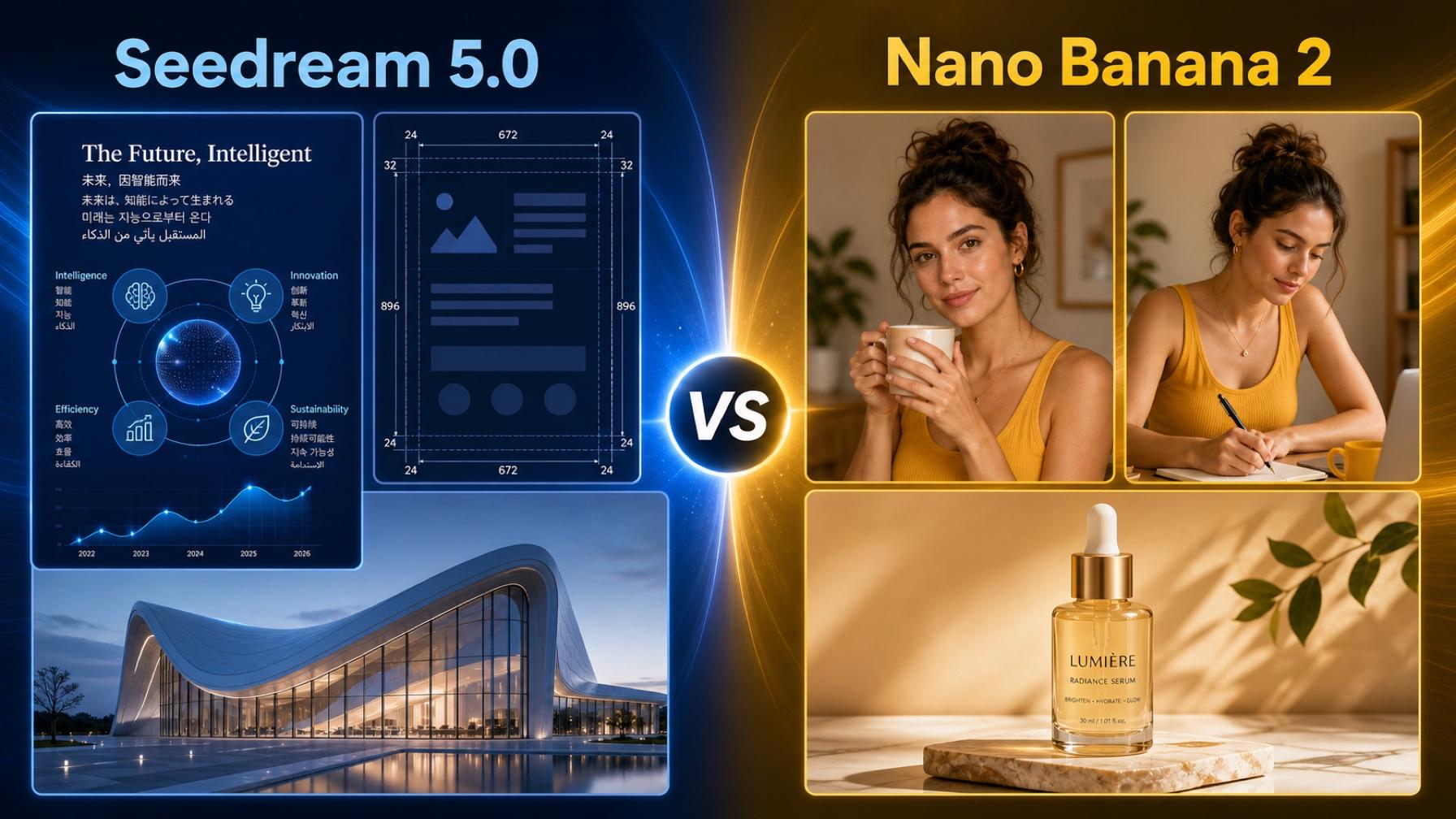
Seedream 5.0 Pro prioritizes dense design, multilingual text, precision editing, and polished composition. Nano Banana 2 prioritizes fast reasoning, search-grounded creation, flexible resolution, and repeatable subjects across references.
Which is faster — Seedream 5.0 or Nano Banana 2?
Nano Banana 2 is designed for low-latency iteration and is usually the faster starting point. Actual generation time varies by resolution, references, search, queue load, and the platform serving the model.
Which model is better for character consistency across multiple images?
Nano Banana 2 is the safer first choice for a recurring cast because it explicitly supports consistent handling of up to five characters and fourteen objects. Test your own references before committing to a series.
How do the prices compare between Seedream 5.0 and Nano Banana 2?
Nano Banana 2 direct API output pricing scales by resolution; Seedream 5.0 pricing varies by access path and region. Compare the exact resolution and displayed credits where you generate, not one headline price.
What These Two Models Actually Are
Seedream 5.0 Pro is ByteDance Seed's multimodal image-creation model, released on July 8, 2026. It combines generation and editing in one workflow and is built for image-text alignment, structured layouts, spatially precise changes, realistic materials, portraits, and native multilingual text. Search-enhanced knowledge work is also part of the Seedream 5 family, but its proprietary internal architecture should not be reduced to an unverified “RAG model” label.
Nano Banana 2 is Google's Gemini 3.1 Flash Image model, released on February 26, 2026. It brings a reasoning-first workflow to rapid image generation and editing, can ground outputs with web and image search, renders from 512px to 4K, and is designed to keep multiple people and objects recognizable across iterations.
Both are image models, not video generators. If your final deliverable needs motion, use Seedance after the keyframe or campaign still is approved.
Speed — Sub-5 Seconds vs Deep Thinking
“Sub-5 seconds” is useful shorthand for Nano Banana 2's fast-generation goal, not a guaranteed service-level agreement. Likewise, community reports of 10–30 seconds for Seedream Lite or 86–110 seconds for Seedream Pro are not controlled benchmarks. Hosted runtime changes with region, resolution, reference count, search, safety checks, and queue load.
The practical difference is workflow tempo. Nano Banana 2 is better suited to rapid ideation: generate several directions, revise one instruction, and compare variations while the creative decision is still fresh. Seedream 5.0 Pro makes more sense when the prompt asks for a dense poster, an exact layout, several text blocks, or a carefully directed final composition. Those jobs may take longer even when the model itself is responsive.
For a fair speed test, use the same aspect ratio and approximate pixel count, disable optional search when it is not needed, upload the same number of references, and time at least five runs. Record median generation time instead of the single fastest result.
Image Quality — Where Each Model Leads
There is no universal quality winner; “quality” changes with the brief. Seedream 5.0 Pro has the clearest advantage for information-dense graphics, multilingual typography, explicit placement, and editorial compositions. Nano Banana 2 is especially compelling for fast photorealistic exploration, product iterations, search-grounded concepts, and projects that need several resolution tiers.
| Production test | Better starting point | Why |
|---|---|---|
| Multilingual poster or infographic | Seedream 5.0 | Strong native text rendering and structured composition |
| Recurring people and products | Nano Banana 2 | Explicit multi-subject consistency and reference handling |
| Photoreal ecommerce still | Test both | Seedream emphasizes material realism; Nano emphasizes speed and faithful iteration |
| Knowledge-grounded visual | Test both | Both can use search-enhanced context in supported workflows |
| Precise local edit | Seedream 5.0 | Strong spatial positioning and instruction-led editing |
| Rapid style exploration | Nano Banana 2 | Lower-latency iteration and broad resolution support |
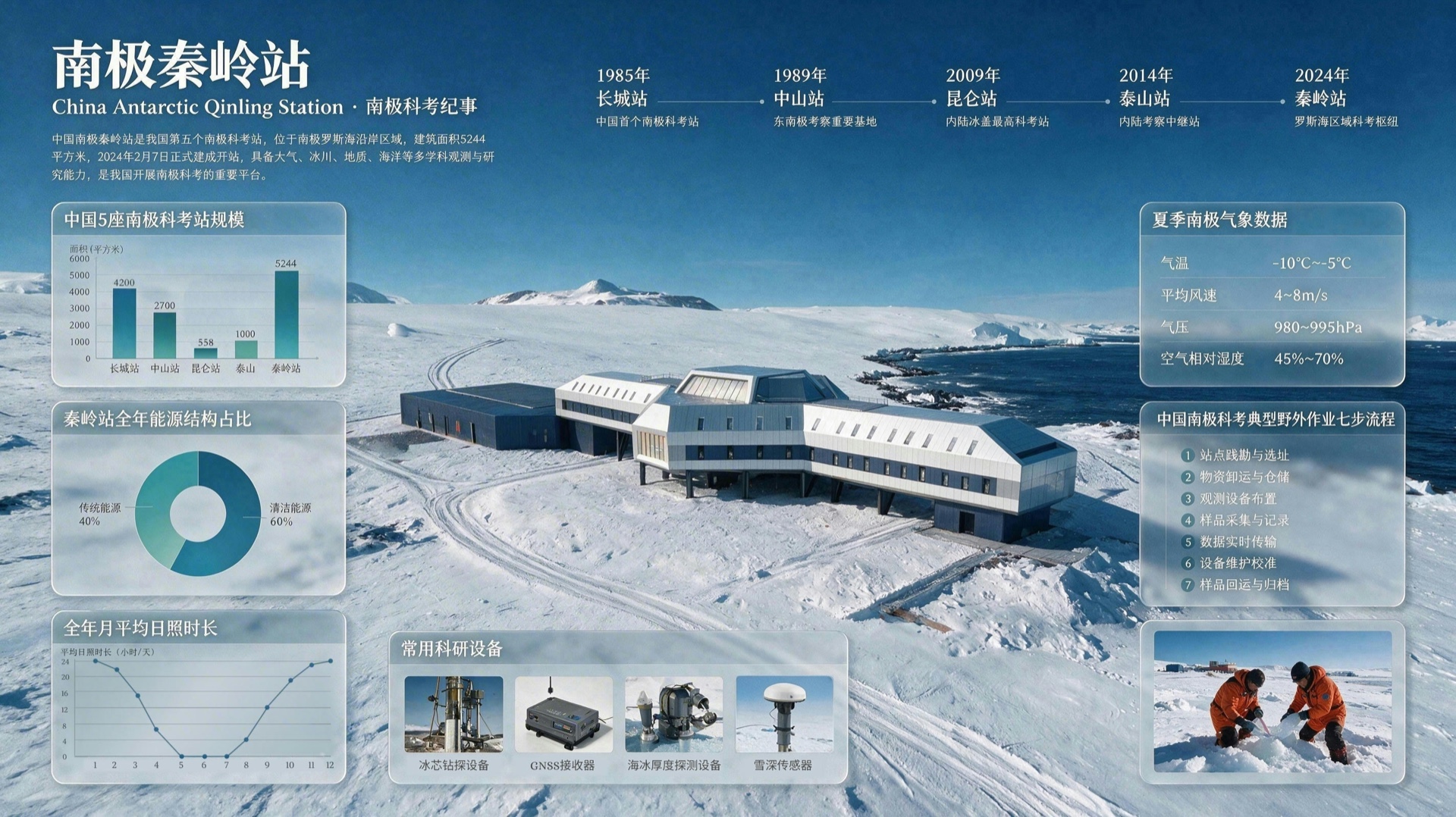
This official Seedream 5.0 Pro example demonstrates the kind of high-density infographic task where layout and readable labels matter as much as photographic detail.
Judge at delivery size, not only in a zoomed preview. Check small text, repeated logos, hands, reflections, material edges, and whether objects remain correctly located after an edit. A model that looks sharper at 200% may still be worse for the actual campaign layout.
Character Consistency — The Key Differentiator for Series Work
Nano Banana 2 has the stronger documented consistency specification: up to five characters and fourteen objects can be carried through a workflow. That makes it the safer first test for storyboards, social series, product families, or a campaign with a recurring cast. Nano Banana Pro remains worth comparing when maximum fidelity matters more than iteration speed.
Seedream 5.0 Pro can use multiple references and is strong at controlled editing, but there is no neutral cross-model benchmark proving that it beats Nano Banana 2 across a long image series. For either model, consistency still depends on preparation. Use clean reference views, name every subject, lock wardrobe and signature features, keep aspect ratio stable, and change one instruction at a time.
Run a six-image stress test before choosing: front portrait, profile, full body, wide group shot, difficult lighting, and one local edit. Reject a workflow if identity drift, accessory changes, or subject swapping appears in more than one frame.
Pricing and Cost Per Use Case
Pricing needs a resolution-aware comparison. Nano Banana 2's current direct API output prices are $0.045 at 0.5K, $0.067 at 1K, $0.101 at 2K, and $0.151 at 4K per image; batch output is discounted. Seedream 5.0 Pro does not have one universal public price across every access route, so a fixed claim such as “$0.054 per image” can be misleading without a region, provider, and output setting.
On Seedance at the time of writing, displayed credits provide a cleaner like-for-like comparison:
| Model and output | Displayed cost |
|---|---|
| Nano Banana 2, 1K | 2 credits |
| Nano Banana 2, 2K | 3 credits |
| Nano Banana 2, 4K | 4 credits |
| Seedream 5.0 Pro, 1K | 3 credits |
| Seedream 5.0 Pro, 2K | 6 credits |
For 100 ecommerce concepts, generate cheap low-resolution drafts first, approve framing and subject identity, then rerun only the selected images at delivery resolution. The biggest saving usually comes from reducing discarded final-resolution renders, not choosing the model with the lowest advertised single-image figure.
Which One to Use — Decision by Use Case
Choose Seedream 5.0 Pro for multilingual banners, dense infographics, carefully arranged commercial layouts, high-control local edits, and a small number of polished hero images. Choose Nano Banana 2 for fast brainstorming, recurring characters, many reference objects, product-variation batches, and workflows that need 512px through 4K outputs.
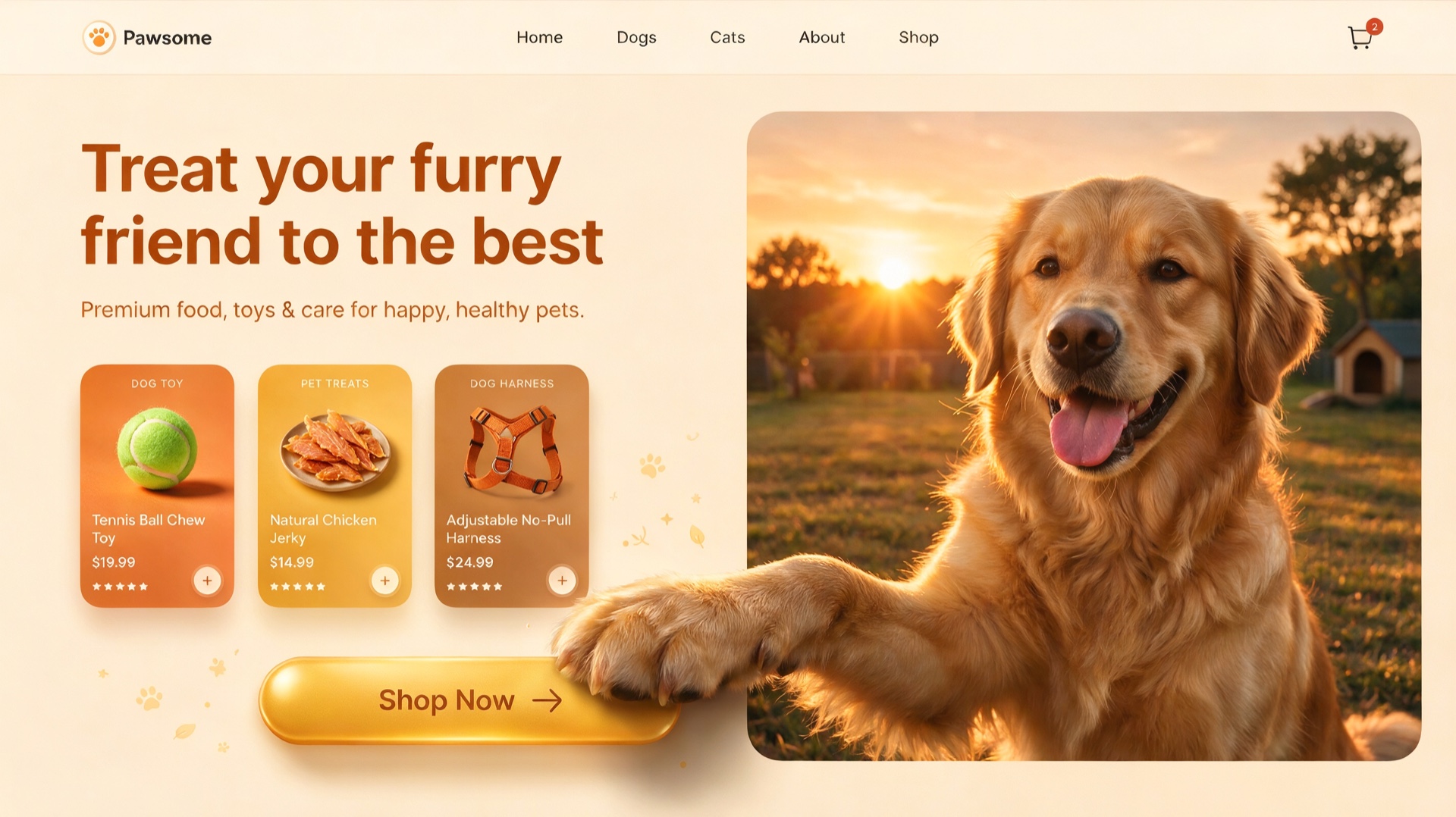
Seedream 5.0 Pro is a natural fit when the deliverable combines product realism, readable copy, and a tightly controlled commercial layout.
For an ecommerce hero, test both: Nano Banana 2 can accelerate reference-driven exploration, while Seedream 5.0 Pro can be the stronger finishing pass for text-heavy composition. For a six-scene character campaign, start with Nano Banana 2 and validate identity across the full shot list. For a knowledge-heavy explainer, test both grounding workflows, then choose based on label accuracy and layout—not visual style alone.
If the brief is still open, start in Text to Image at modest resolution. Keep the prompt, references, aspect ratio, and evaluation checklist identical so the comparison measures the model rather than a different setup.
Conclusion
Nano Banana 2 is the better default for speed, recurring subjects, and high-volume iteration; Seedream 5.0 Pro is the stronger starting point for multilingual text, dense design, precise edits, and polished final layouts. Treat latency and cost as platform-specific variables, then run a controlled test with your real references before scaling. If you are also deciding whether your project needs an image model or a video model, read Seedream vs Seedance next.
Ready to create your own AI video?
Turn ideas, text prompts, and images into polished videos with Seedance. If this article helped, the fastest next step is to try the product.
Free credits on signup. Plans from $28/month.
Related Articles
More posts in the same locale you may want to read next.
Seedance App Preview Video Generator 2026: Create App Store and Product Launch Clips
Use Seedance to turn app screenshots, feature copy, and launch goals into App Store previews, Google Play promo videos, and product launch clips.
Read article
Gemini AI Video Prompt Examples: Copy-Ready Veo Scenes and a Better Prompt Formula
Copy Gemini AI video prompt examples for cinematic motion, product ads, dialogue, and vertical clips, then adapt them with a practical Veo prompt formula.
Read article
How to Keep Product Shape Consistent in AI Video Ads
Lock product geometry, packaging, labels, references, camera angles, and approval checks so AI video ads preserve the real SKU across every shot.
Read article