
Seedance 2.5 vs Kling 2.5: Which AI Video Model Is Better?
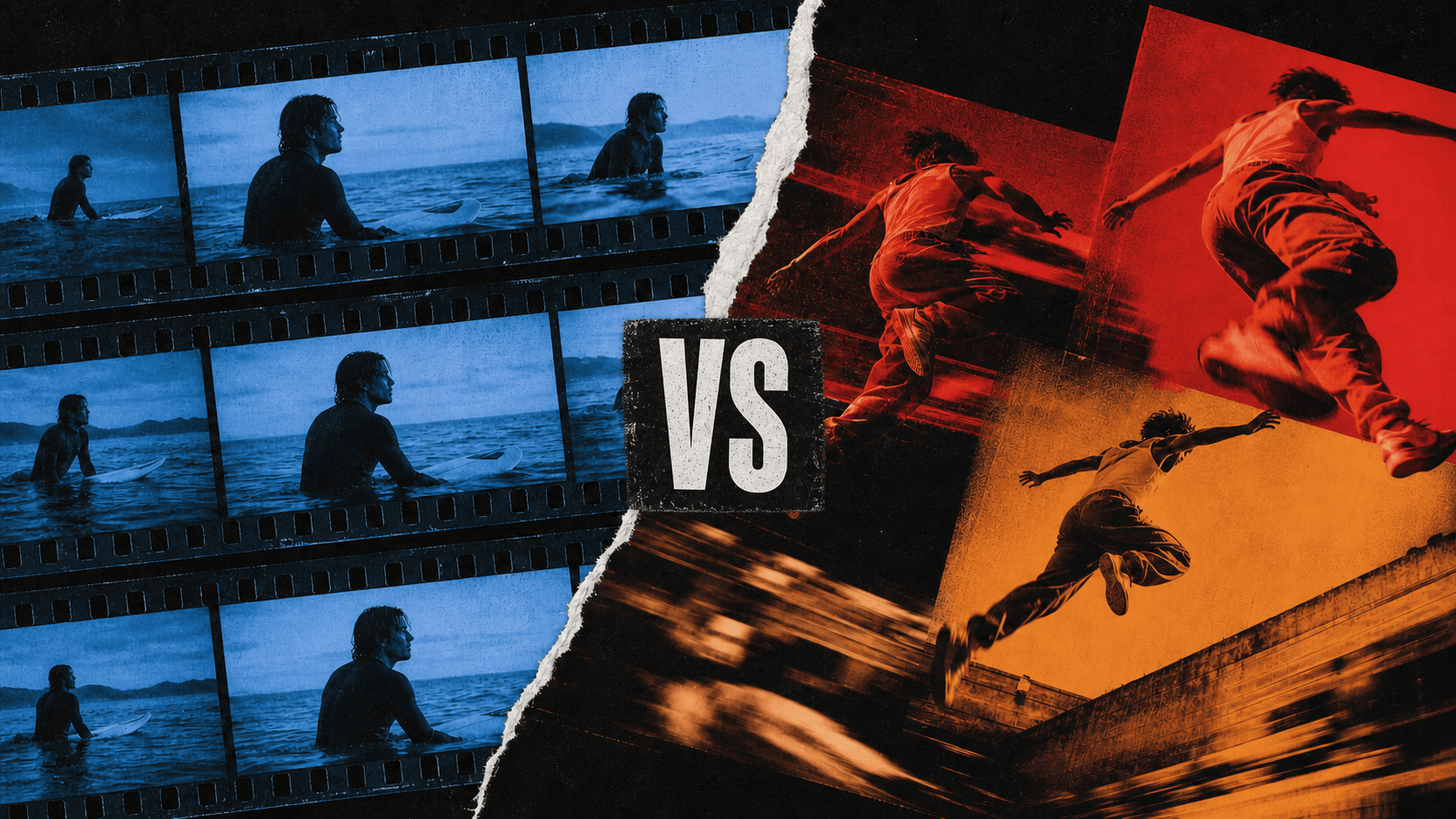
AI Overview
Is Seedance 2.5 better than Kling 2.5?
There is no universal winner. Seedance 2.5 appears better suited to longer, reference-heavy sequences, while Kling 2.5 Turbo may fit faster image-to-video workflows—but a final verdict requires matched testing.
What is the main difference?
Seedance 2.5 emphasizes multimodal references, longer sequences, timeline control, audio, and targeted editing. Kling 2.5 focuses on text-to-video and image-to-video generation with practical motion and frame controls.
Which is better for image-to-video?
Test both with the same image and prompt. Compare identity retention, product details, motion continuity, camera behavior, and the number of usable results.
Which model is cheaper?
Pricing and free credits vary by platform. Compare cost per approved clip, including retries and generation time, rather than the advertised price alone.
Can I use both models now?
Availability varies. Verify the selectable models and controls on your current platform before relying on either workflow.
Seedance 2.5 vs Kling 2.5 at a Glance
| Decision factor | Seedance 2.5 | Kling 2.5 Turbo |
|---|---|---|
| Best fit | Long, reference-heavy sequences | Fast text-to-video and image-to-video |
| Motion | Timeline-aware direction in official demos | Dynamic action and camera movement |
| Consistency | Multiple references may anchor identity | Strong style retention from one image |
| Control | References, timing, audio, targeted edits | Detailed prompts and frame controls |
| Access | Verify on your platform | Released model with documented pricing |
Seedance offers the broader announced production workflow; Kling offers the clearer short-form baseline. Choose Seedance when reference control and longer continuity matter most. Choose Kling when rapid motion generation, single-image animation, and measurable cost matter more.
How We Tested Both Models
Seedance 2.5 was not independently selectable, so we prepared a matched protocol instead of claiming output results.
- Source: Use the same uncropped, unmodified image for both models.
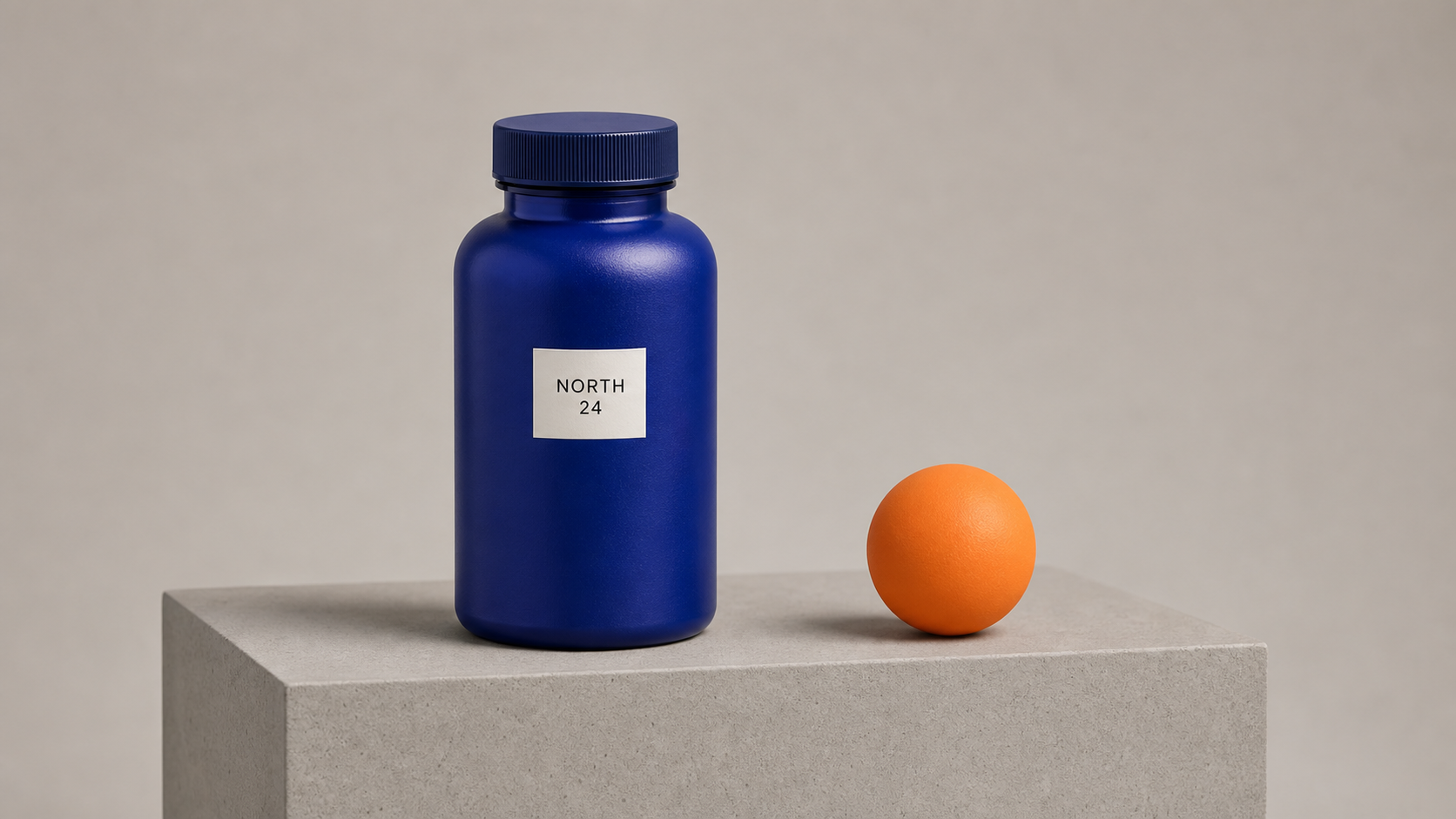
- Prompt: Use the same product, motion, camera, and preservation instructions.
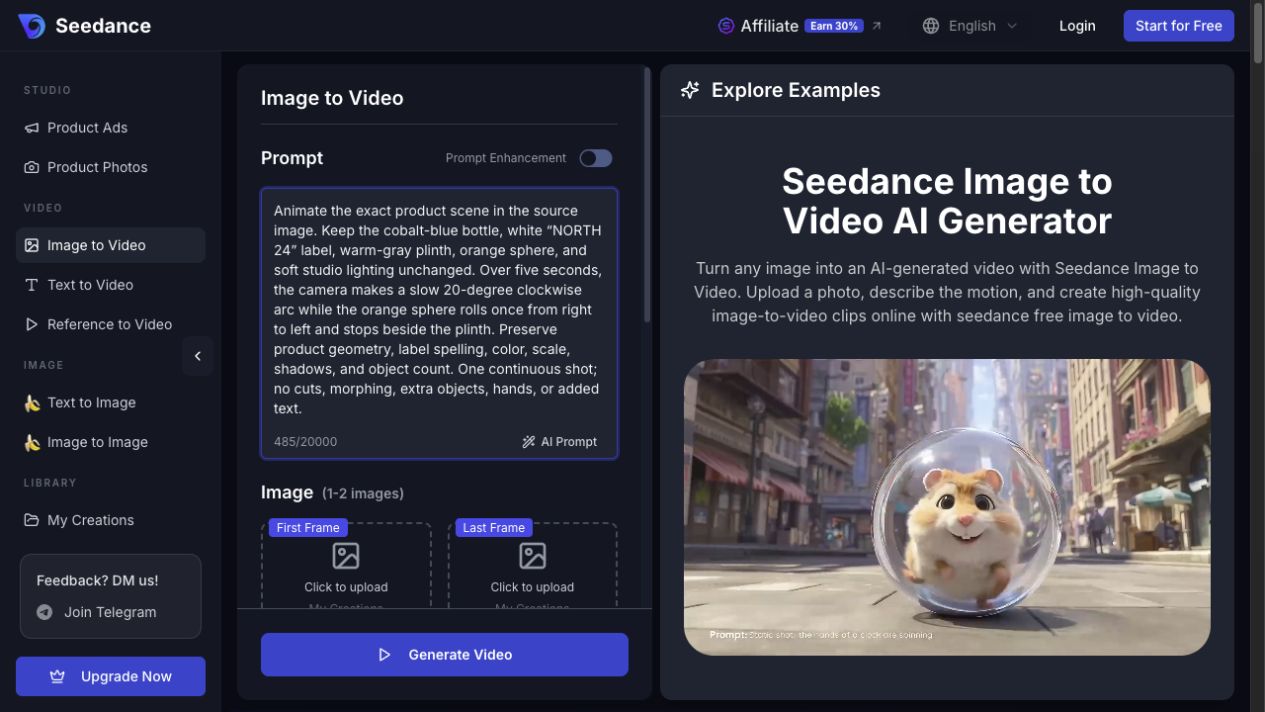
- Settings: 16:9, 5 seconds, and 1080p.
- Runs: Three per model; retain every output.
- Score and log: Check the NORTH 24 label, object count, motion, camera arc, and geometry before style. Record latency, credits, failures, retries, and usable seconds.
Seedance 2.5 vs Kling 2.5: Side-by-Side Results
Matched results pending independent access. We could not run a fair same-prompt comparison because Seedance 2.5 was not independently selectable in the workflow checked for this article. The evidence below therefore separates a repeatable test brief from public official demos. Those demos use different prompts and inputs; they are not head-to-head results and do not establish a winner.
Text-to-video motion test
The matched run will give both models the same prompt, 16:9 ratio, five-second duration, and three retained runs. We will not select one model's best take against the other model's first take. Each output will be checked for action order, continuous camera tracking, body shape, background continuity, and the final frame.
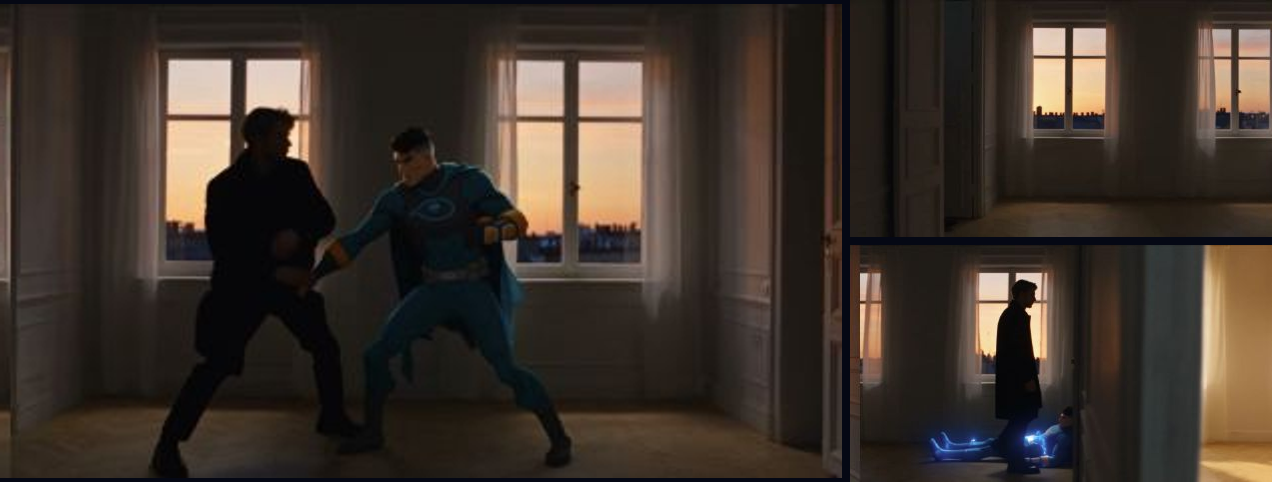
Official Seedance 2.5 demo, not a same-prompt test. Prompt summary: one continuous tracking shot follows a man in a black coat through six connected rooms, with timed changes in action, style, lighting, and setting. Model: Seedance 2.5 · Ratio: 16:9 · Duration: 30.04 seconds · Run number: not published. Check action order, camera continuity, body shape, room geometry, and final-frame stability. This is one selected official demo, not a universal benchmark. Source: Volcengine official Seedance 2.5 page.
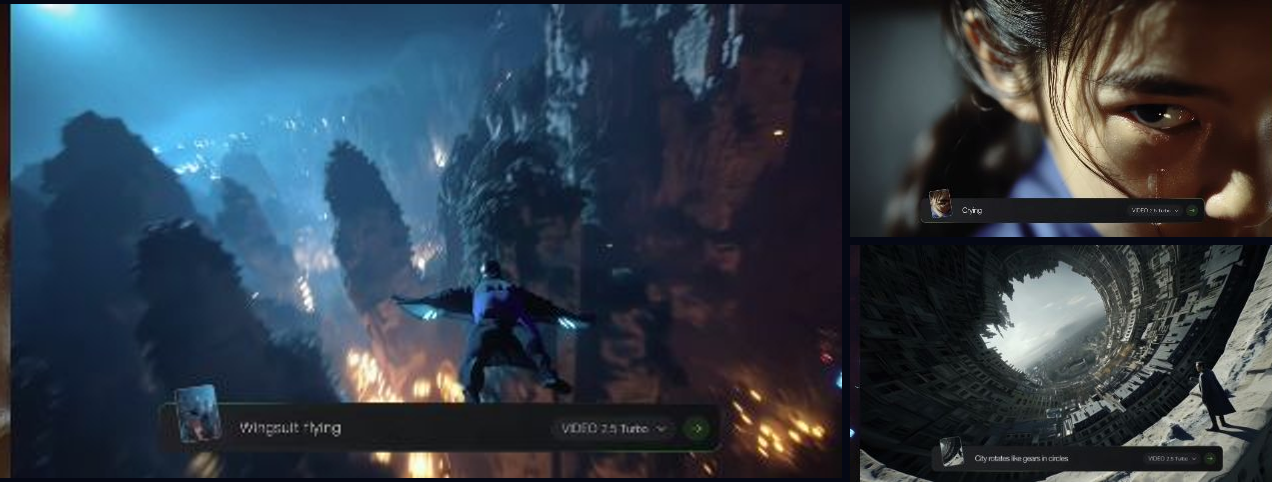
Official Kling 2.5 Turbo demos, not a same-prompt test and not three frames from one sequence. Exact prompts shown in the official release: “Crying”; “Wingsuit flying”; “The city rotates like gears in circles.” Model: Kling 2.5 Turbo. Ratio shown: 16:9. Duration and run number: not published for these examples. Check facial detail, camera tracking, body shape, large-scene continuity, and the final composition. This is one official demonstration set, not a universal benchmark. Source: Kuaishou official Kling 2.5 Turbo release.
Controlled case caption. Exact prompt: “A courier in a bright yellow waterproof jacket runs through heavy rain, vaults one waist-high red barrier, then turns toward a backward-tracking camera. The camera tracks continuously at chest height in one unbroken shot. Preserve body proportions, one navy delivery bag, wet street reflections, storefront positions, and background continuity. End with the courier centered and facing camera; no cuts, duplicated limbs, extra people, text, or camera jumps.” Models: Seedance 2.5 and Kling 2.5 Turbo. Ratio / duration / run number: 16:9 / 5 seconds / runs 1–3 of 3, with all runs retained. Check action order, camera tracking, body shape, background continuity, and the final frame. This is one controlled prompt, not a universal benchmark. No matched outputs are presented yet.
Image-to-video fidelity test
The locked input combines a cobalt-blue bottle, a small NORTH 24 label, a matte plinth, an orange sphere, and controlled shadows. The enlarged crops show the geometry, spelling, color, and texture that matched runs must preserve.
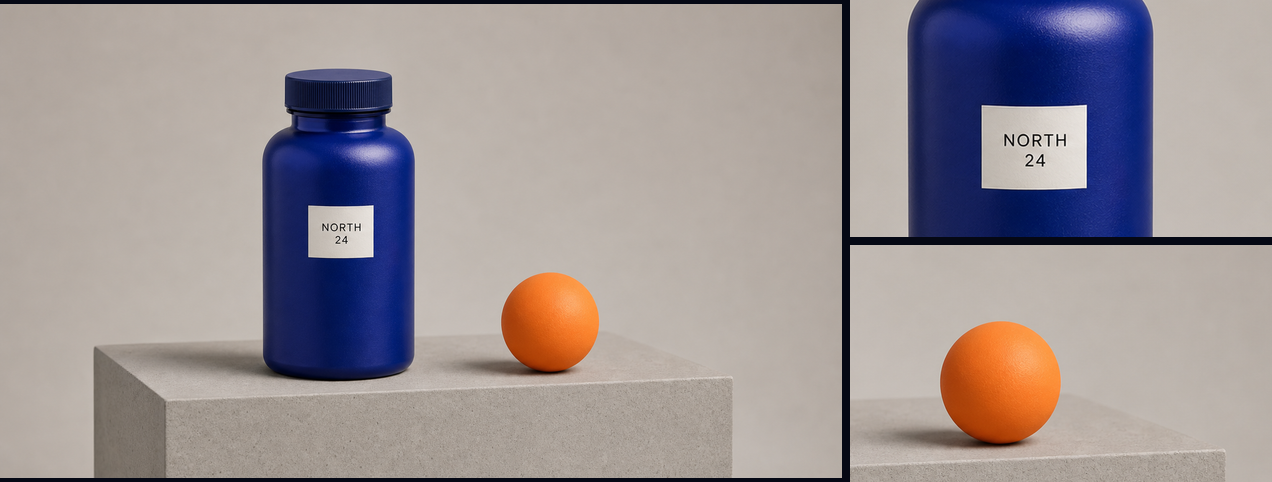
Controlled case caption. Exact prompt: “Animate the exact product scene in the source image. Keep the cobalt-blue bottle, white "NORTH 24" label, warm-gray plinth, orange sphere, and soft studio lighting unchanged. Over five seconds, the camera makes a slow 20-degree clockwise arc while the orange sphere rolls once from right to left and stops beside the plinth. Preserve product geometry, label spelling, color, scale, shadows, and object count. One continuous shot; no cuts, morphing, extra objects, hands, or added text.” Models: Seedance 2.5 and Kling 2.5 Turbo. Ratio / duration / run number: 16:9 / 5 seconds / runs 1–3 of 3, with all runs retained. Check bottle geometry, label drift, object count, sphere motion, shadow continuity, and texture changes. This is one controlled prompt, not a universal benchmark. The image above shows the locked input and detail crops, not model outputs.
Copy and run the controlled prompts
Text-to-video motion prompt
A courier in a bright yellow waterproof jacket runs through heavy rain, vaults one waist-high red barrier, then turns toward a backward-tracking camera. The camera tracks continuously at chest height in one unbroken shot. Preserve body proportions, one navy delivery bag, wet street reflections, storefront positions, and background continuity. End with the courier centered and facing camera; no cuts, duplicated limbs, extra people, text, or camera jumps.

Image-to-video fidelity prompt
Animate the exact product scene in the source image. Keep the cobalt-blue bottle, white "NORTH 24" label, warm-gray plinth, orange sphere, and soft studio lighting unchanged. Over five seconds, the camera makes a slow 20-degree clockwise arc while the orange sphere rolls once from right to left and stops beside the plinth. Preserve product geometry, label spelling, color, scale, shadows, and object count. One continuous shot; no cuts, morphing, extra objects, hands, or added text.

Feature Differences That Actually Matter
-
Duration and continuity: Seedance officially shows a 30-second continuous example; Kling's published 2.5 evidence confirms a five-second pricing unit, not a model maximum. Choose Seedance for longer multi-beat sequences after confirming access; choose Kling for one short shot.
-
Reference inputs and subject fidelity: Seedance shows an eight-image reference workflow; Kling emphasizes preserving color, lighting, texture, and atmosphere from one source image. Choose Seedance for coordinated multi-asset scenes; choose Kling when one image defines the shot.
-
Editing, correction, and reruns: Seedance demonstrates targeted edits to an existing clip; Kling's 2.5 release focuses on generation. Choose Seedance when local correction can save an approved shot; choose Kling when a complete rerun is acceptable.
-
Motion, camera control, and audio: Kling publishes claims around multi-step prompts, motion, camera movement, and physics; Seedance shows timed camera directions and audio-video workflows. Choose Kling for a focused short action; choose Seedance for longer sequences that coordinate camera beats and audio after confirming access.
The screenshots below are official capability evidence, not matched tests.
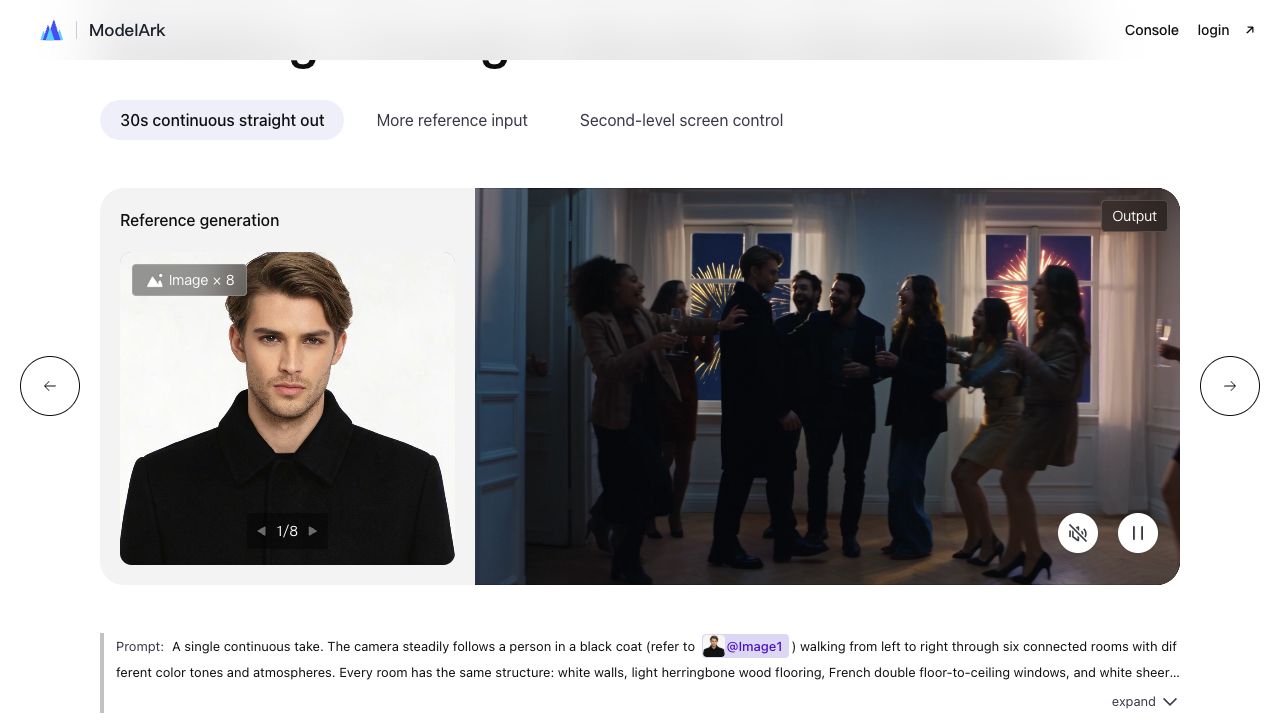
Seedance 2.5 official capability page—duration, reference inputs, and control options. Source. Verified July 23, 2026.
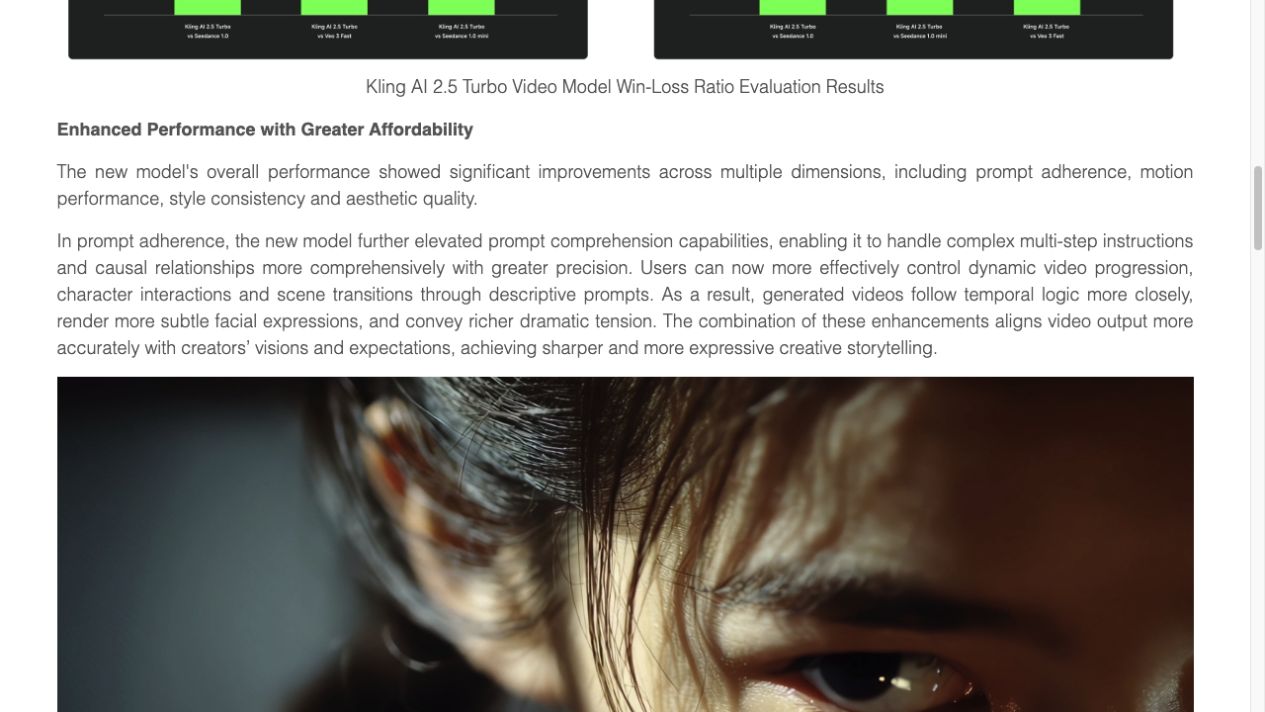
Kling 2.5 Turbo official release—prompt adherence, motion, and style claims. Source. Verified July 23, 2026.
Which Model Is Better for Each Use Case?
| Use case | Better starting point | Why |
|---|---|---|
| Fast social clips | Kling 2.5 | Short outputs and dynamic motion |
| Product hero ads | Test both | Kling for one-image polish; Seedance for multiple references |
| Cinematic stories | Seedance 2.5 | Longer directed continuity |
| Character series | Seedance 2.5, then benchmark | References may improve identity control |
| Action and sports | Kling 2.5 | Official emphasis on large motion |
| Revision-heavy client work | Seedance 2.5 | Targeted editing may prevent full reruns |
| High-volume API production | Measure both | Throughput and cost per approved result matter most |
If your brief starts with one image and one short action, test Kling first.
If it starts with multiple references, longer continuity, or selective revision, test Seedance first after access is confirmed.
Pricing, Free Access, and Availability
Kuaishou's official Kling 2.5 Turbo release listed 25 credits for a five-second 1080p video, down from 35 credits for Kling 2.1. Treat this as launch pricing: the current cost may differ by plan, region, or provider.
Seedance 2.5 has public official demos, but we could not verify general selectable access, standalone pricing, or an API rate in the workflow checked. Before budgeting, confirm live access, free-credit limits, resolution, retries, queue time, and current pricing. Compare cost per approved clip, not cost per generation.
How to Try Seedance 2.5 and Kling 2.5 Fairly
- Keep the prompt and settings identical.
- Keep the input image and crop identical.
- Run the same number of generations.
- Score must-pass constraints before visual style.
- Record latency, credits, failures, retries, and usable seconds.
Copyable test brief
TEST: Image-to-video fidelity
MODELS: Seedance 2.5 and Kling 2.5 Turbo
SOURCE IMAGE: https://r2.seedance.tv/blog/seedance-2-5-vs-kling-2-5-test-source-photoreal-v2.png
CROP: Use the complete source image without reframing
PROMPT: Animate the exact product scene in the source image. Keep the cobalt-blue bottle, white "NORTH 24" label, warm-gray plinth, orange sphere, and soft studio lighting unchanged. Over five seconds, the camera makes a slow 20-degree clockwise arc while the orange sphere rolls once from right to left and stops beside the plinth. Preserve product geometry, label spelling, color, scale, shadows, and object count. One continuous shot; no cuts, morphing, extra objects, hands, or added text.
ASPECT RATIO: 16:9
DURATION: 5 seconds
RESOLUTION: 1080p
RUNS: 3 per model; retain and score every output
MUST-PASS: One cobalt-blue bottle and one orange sphere only; NORTH 24 remains legible; bottle geometry, object count, plinth, lighting, and shadows remain stable; requested sphere and camera movement both occur
SCORE AFTER MUST-PASS: Motion naturalness, composition, texture, and overall visual quality
RECORD: Latency, credits, failed runs, retries, usable seconds, and post-production required
Limitations and What to Verify
Seedance evidence here comes from selected official demos; Kling evidence comes from Kuaishou's official release. We prepared the shared test protocol but did not complete matched independent outputs, so neither source proves average performance.
Before spending, verify access, maximum duration, aspect ratios, reference limits, audio, watermark rules, commercial terms, API availability, and current pricing for the exact plan and region you will use.
Conclusion
In the Seedance 2.5 vs Kling 2.5 comparison, Kling is the safer first test for short action and single-image animation, while Seedance is the higher-upside option for longer, reference-heavy, revision-led production once access is confirmed. For paid work, use the same brief, retain every run, and choose by repeatability and cost per approved clip—not by one attractive demo.
Related reading: Kling 3 Motion Control · Seedance vs Kling API guide
Ready to create your own AI video?
Turn ideas, text prompts, and images into polished videos with Seedance. If this article helped, the fastest next step is to try the product.
Free credits on signup. Plans from $28/month.
Related Articles
More posts in the same locale you may want to read next.
Seedance App Preview Video Generator 2026: Create App Store and Product Launch Clips
Use Seedance to turn app screenshots, feature copy, and launch goals into App Store previews, Google Play promo videos, and product launch clips.
Read article
Best AI Video-to-Video Models in 2026
The best AI video-to-video models in 2026 for editing footage you already shot: Higgsfield Genjutsu, Seedance 2.x, Runway Aleph, Luma Modify and Kling Omni compared.
Read article
Kling 4.0 vs Seedance 2.5: Full Comparison
Kling 4.0 vs Seedance 2.5 compared by spec: 30-second clips, keyframes vs 50 references, audio, 4K and 10-bit color, editing, and which model fits which job.
Read article