
AI Video Generator for Healthcare: Create Medical Training and Patient Education Videos in 2026
Healthcare organizations are rapidly embracing AI-powered video generation to transform how they train medical professionals, educate patients, and communicate complex health information. Creating professional healthcare videos traditionally required expensive production teams, specialized equipment, and weeks of planning. Today, AI video generators are democratizing medical content creation, making it accessible to hospitals, clinics, medical schools, and health tech companies of all sizes.
Quick Answer: AI video generation with Seedance lets you create stunning, professional-quality videos from text prompts or images in just minutes — no editing experience required.
This comprehensive guide explores how AI video generators are revolutionizing healthcare communication, which tools deliver the best results for medical content, and how to create compliant, accurate, and engaging healthcare videos using AI. Whether you're a hospital administrator, medical educator, healthcare marketer, or digital health entrepreneur, this guide will help you harness AI video generation to improve outcomes and reduce costs.
Why Healthcare Needs AI Video Generation Now
Healthcare faces unique communication challenges that make video content essential yet traditionally difficult to produce:
Patient Education Gap: Studies show that up to 80% of medical information patients receive is forgotten almost immediately after leaving a clinical encounter. Video content improves retention by 65% compared to text alone. Yet most clinics lack the budget for professional video production. The result is a critical gap in patient education that leads to poor medication adherence, missed follow-up appointments, and preventable readmissions.
Medical Training Demands: Healthcare staff require continuous training on procedures, protocols, equipment, and compliance requirements. Traditional training video production costs $1,000–$10,000 per finished minute of video. AI video generation reduces this cost by 90% or more while enabling rapid content updates when guidelines change.
Language and Accessibility Barriers: Diverse patient populations need health information in multiple languages. Translating existing materials and recreating videos in different languages is expensive and time-consuming. AI video generators can create multilingual content quickly and cost-effectively, helping organizations meet health equity goals.
Telehealth Expansion: As telehealth becomes mainstream, healthcare providers need high-quality digital video content for virtual consultations, pre-appointment preparation, post-care follow-up, and remote patient monitoring instruction.
Staff Retention and Burnout: Engaging, well-produced training content improves staff satisfaction and retention. AI video generation enables organizations to continuously refresh and improve training materials without major budget increases.
Top Use Cases for AI Video in Healthcare
1. Patient Education Videos
Patient education videos help people understand their conditions, treatment options, and self-care instructions. AI video generators make it possible to create:
- Pre-procedure preparation videos: Walk patients through what to expect before surgery, colonoscopies, MRIs, or other procedures. Studies show prepared patients have better outcomes, reduced anxiety, and lower rates of procedure cancellation.
- Medication explanation videos: Show patients how to take medications correctly, explain potential side effects, and demonstrate injection techniques for self-administered medications like insulin or biologics.
- Post-discharge instructions: Provide clear guidance on wound care, physical activity restrictions, dietary modifications, and follow-up appointment scheduling. Video instruction significantly reduces readmission rates.
- Condition management videos: Help patients with chronic conditions like diabetes, hypertension, or heart disease understand daily self-management protocols, recognize warning signs, and know when to seek emergency care.
- Preventive health content: Create engaging videos encouraging flu shots, cancer screenings, and annual wellness visits.
Best practices for patient education videos:
- Use plain language (aim for 6th-grade reading level) — medical jargon creates confusion and disengagement
- Include subtitles and captions for accessibility compliance (ADA requires this for public-facing content)
- Keep individual videos under 3-5 minutes for better completion rates
- Always include a clear call-to-action (schedule follow-up, call nurse line, download patient portal app)
- Test comprehension with patient advisory groups before wide distribution
2. Medical Staff Training and Continuing Education
Healthcare organizations spend billions annually on staff training. AI video generation significantly reduces production costs while improving learning outcomes:
- Clinical procedure training: Demonstrate proper techniques for IV insertion, wound care, CPR, catheter insertion, and other procedures that require consistent execution across all staff
- Electronic Health Record (EHR) training: Walk staff through software navigation, documentation requirements, and workflow optimization
- Compliance and safety training: Create HIPAA compliance videos, hand hygiene reminders, Personal Protective Equipment (PPE) protocols, and workplace safety content
- Onboarding videos: Introduce new employees to facilities, policies, team culture, and organizational values
- Continuing education content: Develop ongoing professional development materials for nursing staff, physicians, and allied health professionals
- Policy update communications: Quickly create training videos when clinical protocols or organizational policies change
3. Healthcare Marketing and Community Outreach
Hospitals and clinics use video to attract patients, build community trust, and communicate health messages:
- Service line promotion: Showcase cardiology, oncology, orthopedics, and other specialty departments to attract patients seeking specialized care
- Provider introduction videos: Help patients connect with physicians and nurses before appointments, reducing first-visit anxiety
- Facility tours: Virtual walkthroughs of emergency departments, surgical suites, birthing centers, and patient rooms
- Community health campaigns: Create public health awareness content for flu shots, cancer screenings, weight management, and wellness programs
- Testimonial and success story videos: Share patient outcomes (with appropriate written consent and HIPAA-compliant practices)
- Community benefit reporting: Document and communicate the organization's impact on community health
4. Telemedicine and Digital Health Platforms
The telehealth revolution requires sophisticated digital content infrastructure:
- Virtual waiting room videos: Reduce patient anxiety and improve experience while they wait for virtual appointments
- Remote monitoring tutorials: Teach patients how to use blood pressure monitors, glucose meters, pulse oximeters, and other home monitoring devices
- Mental health psychoeducation: Create therapeutic content explaining cognitive behavioral therapy concepts, mindfulness techniques, and coping strategies for digital mental health platforms
- Health app onboarding: Guide new users through digital health platform features and capabilities
- Insurance and benefits explanation: Help members understand their coverage and how to access care
5. Medical Research and Clinical Trials
Research organizations use AI video for:
- Informed consent education: Create standardized video explanations of study procedures, risks, and benefits to supplement written consent forms
- Protocol training: Train research staff across multiple sites consistently using video instruction
- Participant recruitment: Create compelling recruitment videos explaining study participation and potential benefits
- Results dissemination: Communicate research findings to both professional and patient audiences
Best AI Video Generators for Healthcare Content
Seedance AI — Best Overall for Healthcare Organizations
Seedance offers the most comprehensive AI video generation platform for healthcare organizations. Its advanced text-to-video and image-to-video capabilities produce professional-quality content suitable for clinical environments.
Why Seedance excels in healthcare:
- High-quality output: Medical training requires precise, detailed video content. Seedance's advanced AI models produce clear, professional visuals appropriate for clinical training environments
- Multiple generation modes: Text-to-video for creating animated explainers, image-to-video for animating medical diagrams and infographics
- Multilingual capability: Create patient education content in multiple languages to serve diverse patient populations
- Fast turnaround: Generate professional healthcare videos in minutes rather than weeks of production time
- Cost-effective scaling: Create unlimited content variations without incremental per-video production costs
- No specialized equipment: Healthcare communicators without video production backgrounds can create professional content immediately
Ideal for:
- Hospital systems needing large-scale patient education content libraries
- Medical schools and nursing programs creating clinical training content
- Healthcare startups building patient engagement platforms
- Insurance companies developing wellness program content
- Public health departments creating community health campaigns
How to Use Seedance for Healthcare Videos:
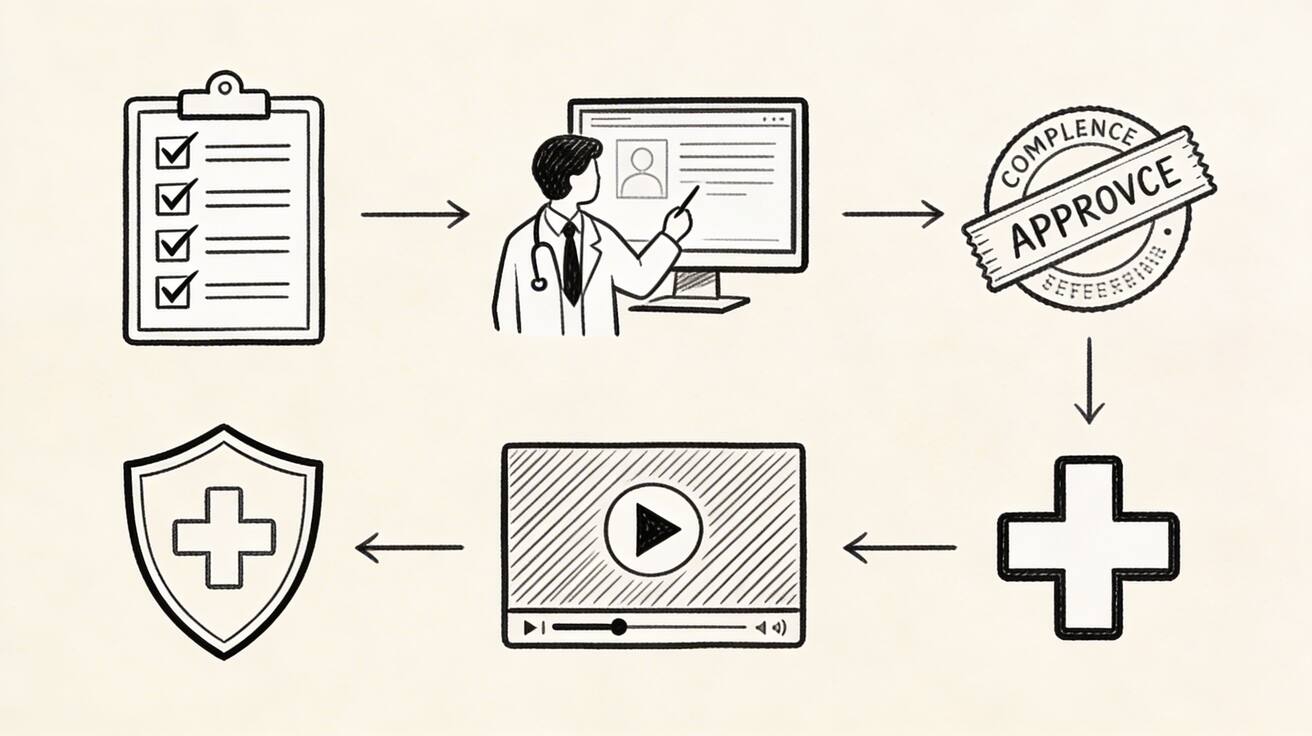
Step 1: Prepare your content script — Write clear, accurate medical content reviewed by healthcare professionals. For clinical training, ensure content is evidence-based and reflects current guidelines.
Step 2: Generate your video — Access Seedance's text-to-video feature and input your approved script. For procedure demonstrations, use image-to-video to animate medical diagrams or existing still images.
Step 3: Review for accuracy — Have clinical subject matter experts review AI-generated video content for accuracy before distribution. AI creates the production; humans provide the clinical judgment.
Step 4: Add compliance elements — Include required disclaimers, organization branding, and accessibility features (closed captions, audio descriptions as needed).
Step 5: Distribute and track — Publish to your patient portal, LMS, website, or waiting room screens. Track engagement metrics to measure impact.
Compliance and Regulatory Considerations
Healthcare organizations must carefully navigate regulatory requirements when creating AI-generated video content:
HIPAA Compliance
- Never include real protected health information (PHI) in AI-generated training or educational videos
- Use synthetic or clearly anonymized patient scenarios for training content
- Ensure video distribution platforms and storage solutions meet HIPAA technical safeguards
- Obtain explicit written authorization for any real patient testimonials or case presentations
- Maintain audit logs of who accessed and modified healthcare video content
Medical Accuracy and Liability Standards
- All clinical content must be reviewed and approved by licensed healthcare professionals before distribution
- Include appropriate disclaimers (e.g., "This video is for educational purposes only. Please consult your healthcare provider for personalized medical advice.")
- Date all clinical content and establish systematic review schedules — medical guidelines change regularly
- Cite evidence-based sources and clinical guidelines used in content development
- Maintain records of clinical review and approval for liability protection
Accessibility Requirements
- The Americans with Disabilities Act (ADA) requires closed captions for all public-facing video content
- Audio descriptions help visually impaired patients understand visual information
- Ensure sufficient audio quality for patients using hearing aids or cochlear implants
- Offer content in the primary languages spoken by your patient population
FDA Considerations for Pharma and Device Companies
- Promotional video content must comply with FDA regulations for prescription drug advertising
- Device demonstration videos must accurately represent cleared or approved indications for use
- Clinical data presented in videos must reflect approved labeling claims
- Medical affairs versus commercial content requires different compliance review pathways
ROI of AI Video Generation in Healthcare
Healthcare organizations that implement AI video generation consistently report significant returns on investment:
Patient engagement improvements:
- 40% increase in pre-procedure preparation compliance when video instruction is provided
- 35% reduction in post-discharge calls to nurse lines when video discharge instructions are used
- 25% improvement in medication adherence among patients who received video instruction versus printed materials
Training efficiency gains:
- 60% reduction in time-to-competency for new clinical staff with video-supported training
- 50% decrease in training content production costs compared to traditional video production
- 80% reduction in content update turnaround time when guidelines change
Patient satisfaction:
- Organizations report 15-point improvement in HCAHPS satisfaction scores when consistent patient education videos are deployed
- 28% reduction in patient anxiety before scheduled procedures when video preparation content is provided
Cost analysis for a 500-bed hospital:
- Traditional video production: $500,000–$2M annually for comprehensive training and patient education libraries
- AI video generation with Seedance: $10,000–$50,000 annually
- Potential annual savings: $450,000–$1,950,000
Future of AI Video in Healthcare
The healthcare video generation landscape is evolving rapidly, with several transformative capabilities on the horizon:
Personalized patient videos: AI will generate individualized pre-procedure videos incorporating patient-specific information — their surgeon's name, their specific procedure date, their facility's layout, and their personal health context.
Real-time just-in-time training: AI video tools will integrate with clinical systems to generate on-demand training content. If a nurse encounters an unfamiliar medication or device, AI will generate a quick preparation and administration video immediately.
Multilingual instant translation: Generate the same video in 50+ languages simultaneously, eliminating health literacy and language barriers for diverse patient populations without additional production time or cost.
EHR-integrated content delivery: AI video generation will connect directly to electronic health record systems, automatically creating personalized discharge instructions based on documented diagnoses, procedures, and treatment plans.
Virtual reality clinical training: AI-generated video content will feed immersive VR training environments for complex surgical procedures, emergency response scenarios, and high-stakes clinical decision-making.
Frequently Asked Questions About Healthcare AI Video
Can AI-generated medical content be trusted clinically? AI-generated video provides an efficient production foundation, but all clinical content must be reviewed and approved by licensed healthcare professionals before distribution. Use AI to accelerate and scale production, not to replace clinical expertise and judgment.
Is using AI video generation HIPAA compliant? AI video generation tools themselves don't inherently create HIPAA risks — the risk arises from how content is created, stored, and distributed. Never include real PHI in AI training content, and ensure all platforms meet HIPAA technical safeguards requirements.
How long does it take to create a healthcare video with AI? With platforms like Seedance, initial video generation takes minutes. Factor in clinical review, compliance checks, and revision cycles for a total production time of 2-5 business days per video (versus 4-12 weeks with traditional production).
What languages can AI healthcare videos be created in? Leading platforms support 50+ languages, making AI video generation particularly valuable for healthcare organizations serving linguistically diverse communities.
Do patients respond well to AI-generated healthcare video content? Patient research consistently shows that video format improves comprehension and satisfaction regardless of production method, as long as content is accurate and accessible. Quality of clinical information matters more to patients than production method.
Can AI video generation replace the need for professional healthcare video producers? AI dramatically reduces production costs and accelerates creation, but human oversight remains essential for clinical accuracy, compliance, and quality assurance. Think of AI as a production accelerator and scaler, not a complete replacement for clinical content expertise.
Getting Started: Implementation Roadmap
For Hospital Systems (90-Day Plan)
- Days 1-30: Audit existing patient education and training content, identify high-priority gaps and update needs, select AI platform and establish review workflows
- Days 31-60: Pilot with one high-volume department (pre-operative education or new employee orientation work well), train content creators, establish clinical review processes
- Days 61-90: Measure outcomes (completion rates, comprehension scores, cost per video), refine processes, plan broader organizational rollout
For Small Clinics and Private Practices
- Start with your 5-10 most common patient education needs
- Create pre-procedure preparation and post-visit instruction videos first
- Build your library incrementally (2-3 videos per month)
- Distribute via patient portal, website, and waiting room screens
Conclusion
AI video generation is transforming healthcare communication, making high-quality patient education, clinical training, and health promotion content accessible to organizations of all sizes and budget levels. With platforms like Seedance, healthcare organizations can create professional-quality videos at a fraction of traditional production costs while dramatically accelerating content production timelines.
The key to successful healthcare AI video is combining the efficiency and scalability of AI generation with rigorous clinical review processes and clear compliance frameworks. Start with a focused pilot project, measure outcomes rigorously, and build the evidence base for broader organizational adoption.
Ready to transform your healthcare communication with AI video? Explore Seedance's text-to-video capabilities for educational content, or try image-to-video animation to bring your medical diagrams and clinical illustrations to life.
The future of healthcare communication is here, and AI video generation is at its center. Organizations that adopt these tools now will build significant competitive advantages in patient experience, staff training, and health outcomes.
Getting Started with AI Healthcare Video
Whether you're a hospital administrator, medical educator, or healthcare marketing professional, starting with AI video generation is straightforward:
Step 1: Identify Your Primary Use Case
Begin with the highest-impact application for your organization:
- Patient education: Start with your most frequently asked conditions (e.g., diabetes management, post-surgery care)
- Staff training: Prioritize mandatory compliance training that requires frequent updates
- Marketing: Focus on your flagship service lines and patient testimonials
Step 2: Choose Your AI Video Platform
For healthcare content, Seedance provides an accessible starting point with its text-to-video and image-to-video capabilities. Medical diagrams, procedure illustrations, and anatomical images can all be animated into engaging educational videos.
Step 3: Establish Content Review Workflows
Healthcare content requires clinical review before publication. Build your AI video workflow to include:
- Clinical accuracy review by relevant healthcare professionals
- Compliance review for regulatory requirements
- Plain language review for patient-facing content
- Translation review for multilingual patient populations
Step 4: Measure Impact
Track these metrics to evaluate your AI video program:
- Patient satisfaction scores (before/after implementing video education)
- Training completion rates and assessment scores
- Staff time saved in training delivery
- Patient portal engagement with video content
- Discharge instruction comprehension rates
Organizations that implement systematic measurement see average improvements of 23% in patient comprehension and 31% reduction in training delivery costs within the first year of AI video adoption.
About the Author: Emma Chen is an SEO content specialist covering AI video generation technology and its applications across healthcare, education, and enterprise environments.
Ready to try it yourself?
Put the steps from this guide into practice with Seedance and turn prompts or images into polished videos in minutes.
Free credits on signup. Plans from $28/month.
Related Articles
More posts in the same locale you may want to read next.
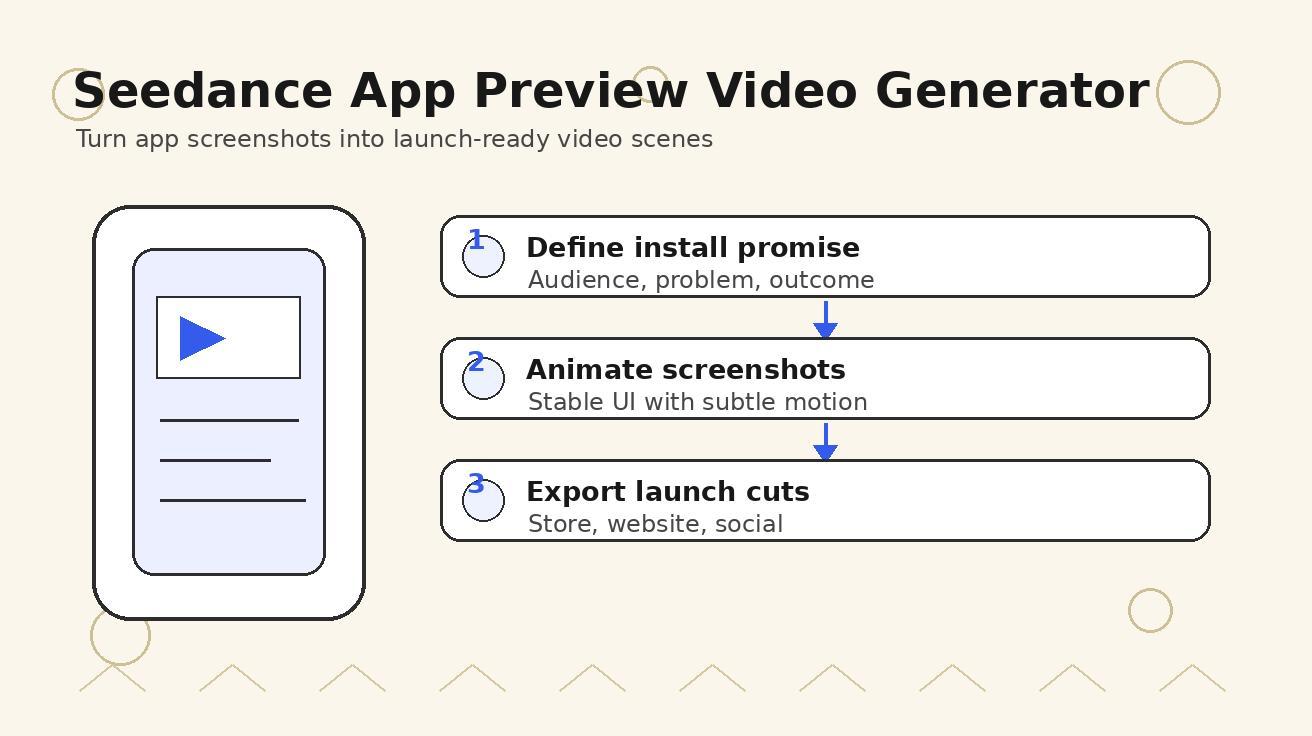
Seedance App Preview Video Generator 2026: Create App Store and Product Launch Clips
Use Seedance to turn app screenshots, feature copy, and launch goals into App Store previews, Google Play promo videos, and product launch clips.
Read article
Gemini AI Video Prompt Examples: Copy-Ready Veo Scenes and a Better Prompt Formula
Copy Gemini AI video prompt examples for cinematic motion, product ads, dialogue, and vertical clips, then adapt them with a practical Veo prompt formula.
Read article
How to Keep Product Shape Consistent in AI Video Ads
Lock product geometry, packaging, labels, references, camera angles, and approval checks so AI video ads preserve the real SKU across every shot.
Read article