
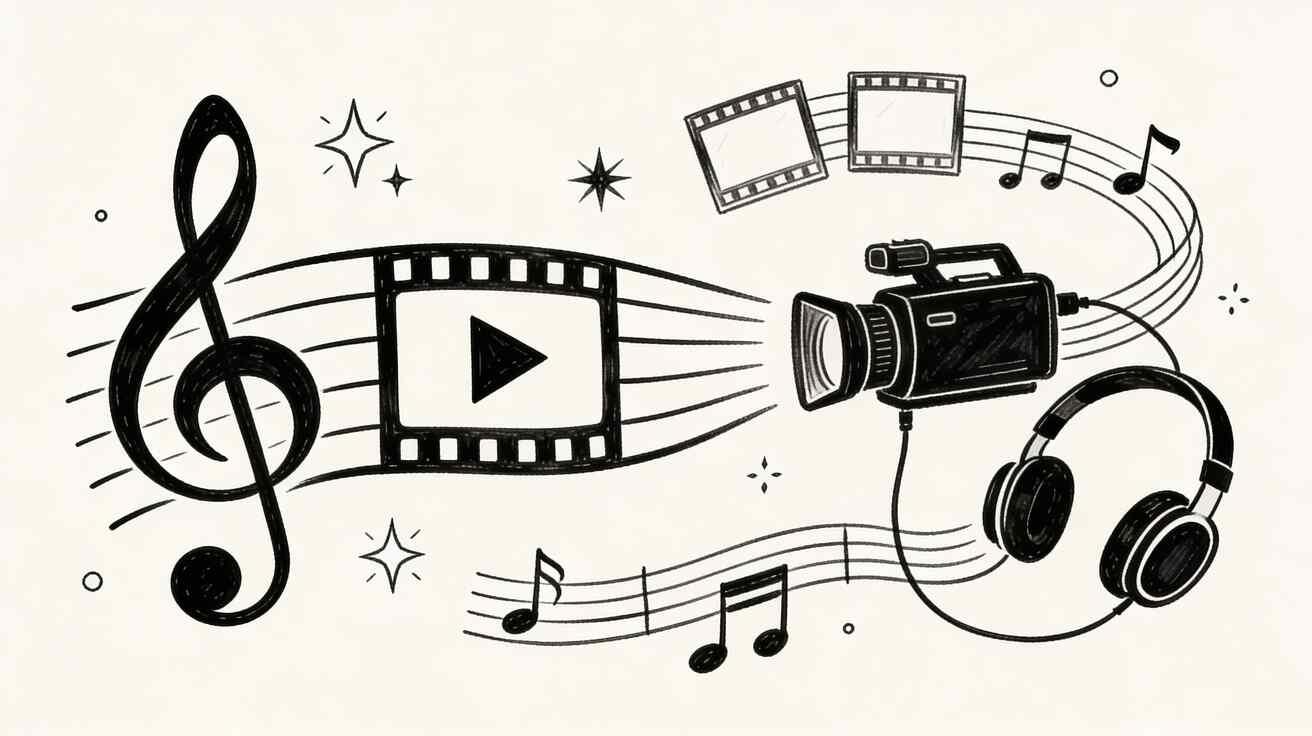
Creating professional music videos used to require expensive equipment, a full crew, and weeks of post-production. In 2026, AI video generators have completely transformed this process. Whether you're an independent artist, a content creator, or a band looking to promote your latest single, you can now create stunning music videos using nothing but AI tools and your imagination.
Quick Answer: How to Make AI Music Videos: The Complete Guide (2026) — this step-by-step guide shows you how to use Seedance's AI-powered tools to achieve professional results in minutes, even if you're a complete beginner.
In this comprehensive guide, we'll walk you through everything you need to know about making AI music videos — from choosing the right tools to advanced techniques that make your videos look truly professional.
Why AI Music Videos Are Changing the Music Industry
The music video landscape has shifted dramatically. Here's why AI-generated music videos are becoming the norm rather than the exception:
Cost Revolution
Traditional music videos cost anywhere from $5,000 to $500,000+. AI music videos can be created for under $50, or even free with certain tools. For independent artists who can't afford production crews, this is a game-changer.
Speed of Production
What used to take 2-4 weeks of shooting, editing, and post-production can now be accomplished in hours. An AI video generator can produce a full-length music video in a single afternoon.
Creative Freedom
AI removes technical barriers. You don't need to know how to operate a camera, set up lighting, or edit in Premiere Pro. If you can describe what you want, AI can create it.
Infinite Iteration
Don't like a scene? Regenerate it in seconds. Want to try a completely different visual style? Just change your prompt. This level of creative iteration was previously impossible without massive budgets.
Best AI Tools for Making Music Videos in 2026
Not all AI video generators are created equal when it comes to music video production. Here's our ranked comparison of the best tools for this specific use case:
1. Seedance 2.0 — Best Overall for Music Videos
Seedance 2.0 stands out as the top choice for AI music videos thanks to several key advantages:
- Image-to-video capability: Upload album artwork or concept photos and transform them into dynamic video scenes
- Consistent character generation: Maintain the same character/performer look across multiple scenes using the @ reference system
- High resolution output: Generate videos in up to 1080p quality
- Motion control: Fine-tune camera movements and subject motion to match your music's energy
- Free tier available: Start creating without spending a dime at seedance.tv
Best for: Artists who want cinematic, high-quality visuals with consistent characters and scenes.
2. Runway Gen-4 — Best for Professional Editing
Runway offers robust video generation with excellent editing controls:
- Multi-modal input (text, image, video reference)
- Frame-by-frame editing capabilities
- Good motion consistency
- Professional color grading options
Best for: Creators who want maximum post-production control.
3. Kling 3.0 — Best for Long-Form Videos
Kling excels at generating longer video clips:
- Up to 10-second continuous generation
- Good motion quality
- Competitive pricing
- Strong prompt adherence
Best for: Artists who need longer continuous shots without cuts.
4. Pika 2.0 — Best for Beginners
Pika offers the most user-friendly experience:
- Simple text-to-video interface
- Quick generation times
- Good for abstract/artistic styles
- Free tier available
Best for: First-time creators who want quick results.
5. Luma Dream Machine — Best for Cinematic Looks
Luma specializes in cinematic quality:
- Film-like visual quality
- Excellent lighting and atmosphere
- Good at dramatic scenes
- 3D-aware generation
Best for: Artists going for a high-end cinematic aesthetic.
Step-by-Step: Creating Your First AI Music Video
Now let's get into the practical workflow. Follow these steps to create a professional AI music video from scratch.
Step 1: Plan Your Visual Concept
Before you touch any AI tool, plan your music video:
- Listen to your track multiple times and note the mood shifts
- Create a shot list — write down 15-30 scene descriptions that match different parts of the song
- Choose a visual style — are you going for realistic, animated, abstract, cinematic, retro?
- Define your color palette — consistency in color grading makes AI videos look professional
- Map scenes to timestamps — which visual goes with which part of the song
Pro tip: Create a simple spreadsheet with columns for Timestamp, Scene Description, Mood, and Visual Style. This will be your production bible.
Step 2: Generate Your Visual Assets
Using Seedance 2.0 or your preferred AI tool:
- Start with key frames — Generate the most important visual moments first (chorus visuals, opening shot, climax scene)
- Use image-to-video for consistency — Generate a key frame as an image first, then animate it
- Batch similar scenes — Generate all scenes with similar styles together to maintain visual consistency
- Generate 3-5 variations of each scene and pick the best one
Writing Effective Prompts for Music Videos
Your prompts are everything. Here are templates that work:
For performance scenes:
A singer performing passionately on a dark stage with dramatic blue and purple
spotlights, cinematic camera slowly orbiting around them, smoke effects,
concert atmosphere, high energy
For narrative scenes:
A person walking alone through a rain-soaked city street at night, neon signs
reflecting in puddles, melancholic mood, cinematic wide shot with slow
dolly forward, 4K quality
For abstract/artistic scenes:
Abstract flowing particles of golden light transforming into birds that fly
across a deep blue sky, ethereal and dreamlike, smooth slow motion,
artistic music video style
Step 3: Edit and Sync to Music
Once you have your AI-generated clips:
- Import clips into a video editor (CapCut, DaVinci Resolve, Premiere Pro, or even CapCut's free online editor)
- Lay down your audio track on the timeline
- Arrange clips to match the music — place high-energy visuals on beats, slow scenes on verses
- Cut on the beat — This is the single most important technique. Every cut should align with a beat or musical transition
- Add transitions — Use simple cuts for fast sections, cross-dissolves for slow sections
- Color grade for consistency — Apply a unified color grade across all clips
Step 4: Add Professional Touches
Elevate your AI music video with these finishing touches:
- Add text overlays for lyrics or song title
- Include your artist branding — logo, social handles
- Motion graphics for intro/outro sequences
- Sound design — add subtle sound effects that complement the visuals
- Speed ramping — slow down or speed up clips to match musical dynamics
Step 5: Export and Distribute
Optimal export settings for music videos:
| Platform | Resolution | Frame Rate | Format |
|---|---|---|---|
| YouTube | 1080p or 4K | 30fps | MP4 (H.264) |
| Instagram Reels | 1080x1920 | 30fps | MP4 |
| TikTok | 1080x1920 | 30fps | MP4 |
| Spotify Canvas | 720x720 | 30fps | MP4 (max 8s) |
| Apple Music | 1080p | 30fps | MP4 |
Frequently Asked Questions
Q: How long does it take to generate an AI video? A: With Seedance, most AI videos are generated within 1-3 minutes depending on length and complexity. The platform uses optimized processing pipelines to deliver fast results without compromising on quality.
Q: What kind of prompts work best for AI video generation? A: The most effective prompts are specific and descriptive — include details about the scene, lighting, camera movement, mood, and style. Seedance's AI responds well to cinematic language like "slow pan", "golden hour lighting", or "documentary style".
Q: Can I edit the AI-generated video after it's created? A: Yes, Seedance provides built-in editing tools that let you trim, extend, add music, adjust pacing, and apply style effects to your generated videos. You can also regenerate specific sections if you're not satisfied with the initial output.
Advanced Techniques for AI Music Videos
Ready to take your AI music videos to the next level? Here are advanced techniques that separate amateur from professional.
Technique 1: Character Consistency Across Scenes
One of the biggest challenges in AI music videos is maintaining consistent characters. Here's how to solve it:
- Generate a reference image of your character/performer
- Use image-to-video with the reference for every scene featuring that character
- In Seedance 2.0, use the @ reference system to lock character appearance across generations
- Keep prompts consistent — always include the same character description details
Technique 2: Beat-Synced Generation
Some tools allow you to control motion timing:
- Match camera movement speed to your BPM
- Generate slow-motion clips for ballad sections
- Create rapid-fire short clips (1-2 seconds) for high-energy drops
- Use zoom effects timed to bass hits
Technique 3: Style Transfer
Create a unique visual identity:
- Find reference images in the style you want
- Use image-to-video with those references as starting frames
- Maintain the same style prompt keywords across all generations
- Consider mixing styles — realistic verse, abstract chorus
Technique 4: Multi-Scene Storytelling
Tell a story across your music video:
- Plan a narrative arc — beginning, conflict, resolution
- Assign scenes to song sections — verses tell the story, choruses are performance/abstract
- Use recurring visual motifs — objects or colors that appear throughout
- End with a payoff — the final scene should resolve or transform earlier imagery
Common Mistakes to Avoid
After helping hundreds of artists create AI music videos, here are the most common mistakes:
1. Not Planning Before Generating
Jumping straight into AI generation without a plan leads to disjointed videos. Always create a shot list first.
2. Inconsistent Visual Style
Mixing too many different AI styles or models makes your video look amateur. Stick to one tool and one style throughout.
3. Ignoring Beat Synchronization
The #1 thing that makes a music video feel professional is cuts that land on the beat. Use your editor's beat markers.
4. Over-Relying on One Scene Type
Variety keeps viewers engaged. Mix performance shots, narrative scenes, abstract visuals, and environmental shots.
5. Poor Audio-Visual Contrast
Slow visuals on fast music (or vice versa) creates cognitive dissonance. Match your visual energy to the audio energy.
6. Forgetting About Pacing
Don't keep every clip the same length. Use longer holds for emotional moments and rapid cuts for energetic sections.
Real-World Examples: AI Music Videos That Went Viral
Several AI-generated music videos have already proven that AI can compete with traditional production:
- Independent artists on YouTube are regularly hitting 100K+ views with AI-generated visuals
- TikTok musicians using AI video clips as backgrounds for their music posts see 3-5x more engagement
- Record labels are experimenting with AI for lyric videos and promotional content
- Music video directors are using AI for pre-visualization and concept art before traditional shoots
The stigma around AI music videos is rapidly disappearing. Audiences care about whether the video enhances the music, not whether it was made by humans or AI.
Cost Comparison: Traditional vs. AI Music Videos
| Aspect | Traditional | AI-Generated |
|---|---|---|
| Production Cost | $5,000 - $500,000+ | $0 - $100 |
| Time to Complete | 2-8 weeks | 1-3 days |
| Crew Required | 5-50+ people | 1 person |
| Equipment | Cameras, lights, sets | Computer + internet |
| Iteration Speed | Days per change | Minutes per change |
| Quality Ceiling | Unlimited | Very high (and improving) |
| Consistency | High (manual control) | Requires technique |
How to Use Seedance for Music Video Scenes
Here's a practical walkthrough using Seedance 2.0:
- Go to seedance.tv and create a free account
- Choose "Text to Video" for original scenes or "Image to Video" to animate existing artwork
- Write your scene prompt — be specific about mood, lighting, camera movement, and style
- Set video parameters — choose resolution, duration, and motion intensity
- Generate and review — it takes about 30-60 seconds per clip
- Download your favorites and import into your video editor
- Repeat for each scene in your shot list
For a 3-minute music video, plan to generate approximately 30-45 individual clips (at 4-6 seconds each), selecting the best from multiple generations.
Optimizing Your AI Music Video for YouTube SEO
Once your video is complete, optimize it for maximum reach:
Title Formula
[Artist Name] - [Song Title] (Official Music Video) or [Song Title] - [Artist Name] | Official AI Music Video
Description
Include:
- Song credits (writers, producers)
- Lyrics
- Links to streaming platforms
- Social media links
- "Created with AI video generation" (transparency builds trust)
Tags
Include variations of:
- Your artist name
- Song title
- Genre keywords
- "AI music video"
- "Official music video"
- Related artist names
Thumbnail
Create a custom thumbnail using a key frame from your video. Add text overlay with song title. Use high-contrast colors.
Future of AI Music Videos
The technology is advancing rapidly. Here's what to expect in the coming months:
- Audio-reactive generation: AI that automatically syncs visuals to the beat
- Longer continuous clips: Moving from 5-10 seconds to 30+ seconds per generation
- Real-time music video creation: Generate visuals live during performances
- Interactive music videos: Viewers choose visual paths while the music plays
- Full automation: Upload a song, get a complete music video back
FAQ
Can I use AI music videos commercially?
Yes. Most AI video generators grant you commercial rights to generated content. Always check the specific tool's terms of service. Seedance 2.0 allows commercial use of all generated content.
Will YouTube flag AI-generated music videos?
YouTube does not penalize AI-generated content. However, they do require AI-generated content disclosure in certain cases. Adding "AI-generated visuals" in your description is good practice.
How long does it take to make an AI music video?
For a 3-minute music video, expect to spend 4-8 hours on your first one (including planning, generation, and editing). With practice, you can bring this down to 2-4 hours.
Do I need any technical skills?
No coding or video production experience is required. Basic familiarity with a video editor (even free ones like CapCut) is helpful for the final assembly.
Can AI maintain a consistent character throughout the video?
Yes, using tools like Seedance 2.0's reference system. Upload a character reference image and use it across all scene generations for consistency.
What resolution should I generate at?
Generate at the highest resolution available (1080p minimum). You can always scale down for different platforms, but you can't scale up without quality loss.
How many clips do I need for a 3-minute video?
Typically 30-50 clips of 3-6 seconds each, depending on your editing pace. Fast-cut sections need more clips; slow sections need fewer.
Start Making Your AI Music Video Today
The barrier to creating professional music videos has never been lower. With AI tools like Seedance 2.0, any musician can bring their visual ideas to life without a Hollywood budget.
Here's your action plan:
- Choose your song and listen to it with visual intention
- Create a shot list with 20-30 scene descriptions
- Sign up for Seedance 2.0 (free to start)
- Generate your scenes using the prompts and techniques from this guide
- Edit everything together in CapCut or your preferred editor
- Upload to YouTube with proper SEO optimization
Your audience is waiting. Start creating.
Looking for more AI video creation guides? Check out our text-to-video guide, learn about image-to-video AI, or explore AI video generators for YouTube.
Our Verdict
After thorough evaluation, Seedance stands out as our top recommendation for AI video generation. Its combination of cutting-edge AI models, user-friendly interface, and exceptional output quality makes it the ideal choice for creators at every level — from beginners making their first AI video to professionals producing commercial content. Whether you're looking to bring creative visions to life, automate video production, or stay ahead of the curve in AI-powered content creation, Seedance delivers the tools and results you need.
Ready to try it yourself?
Put the steps from this guide into practice with Seedance and turn prompts or images into polished videos in minutes.
Free credits on signup. Plans from $28/month.
Related Articles
More posts in the same locale you may want to read next.
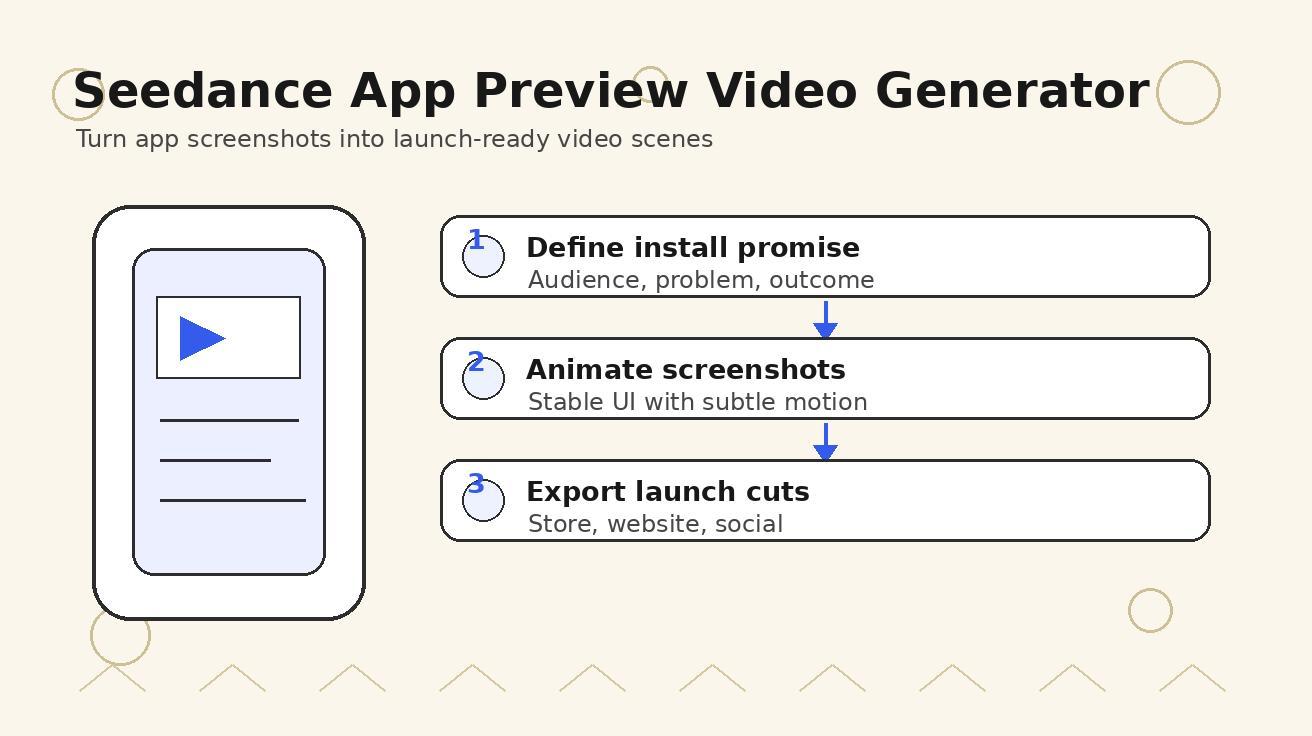
Seedance App Preview Video Generator 2026: Create App Store and Product Launch Clips
Use Seedance to turn app screenshots, feature copy, and launch goals into App Store previews, Google Play promo videos, and product launch clips.
Read article
Gemini AI Video Prompt Examples: Copy-Ready Veo Scenes and a Better Prompt Formula
Copy Gemini AI video prompt examples for cinematic motion, product ads, dialogue, and vertical clips, then adapt them with a practical Veo prompt formula.
Read article
How to Keep Product Shape Consistent in AI Video Ads
Lock product geometry, packaging, labels, references, camera angles, and approval checks so AI video ads preserve the real SKU across every shot.
Read article