
AI Video Generator with Music: Complete Guide to Music-Enhanced Videos (2026)
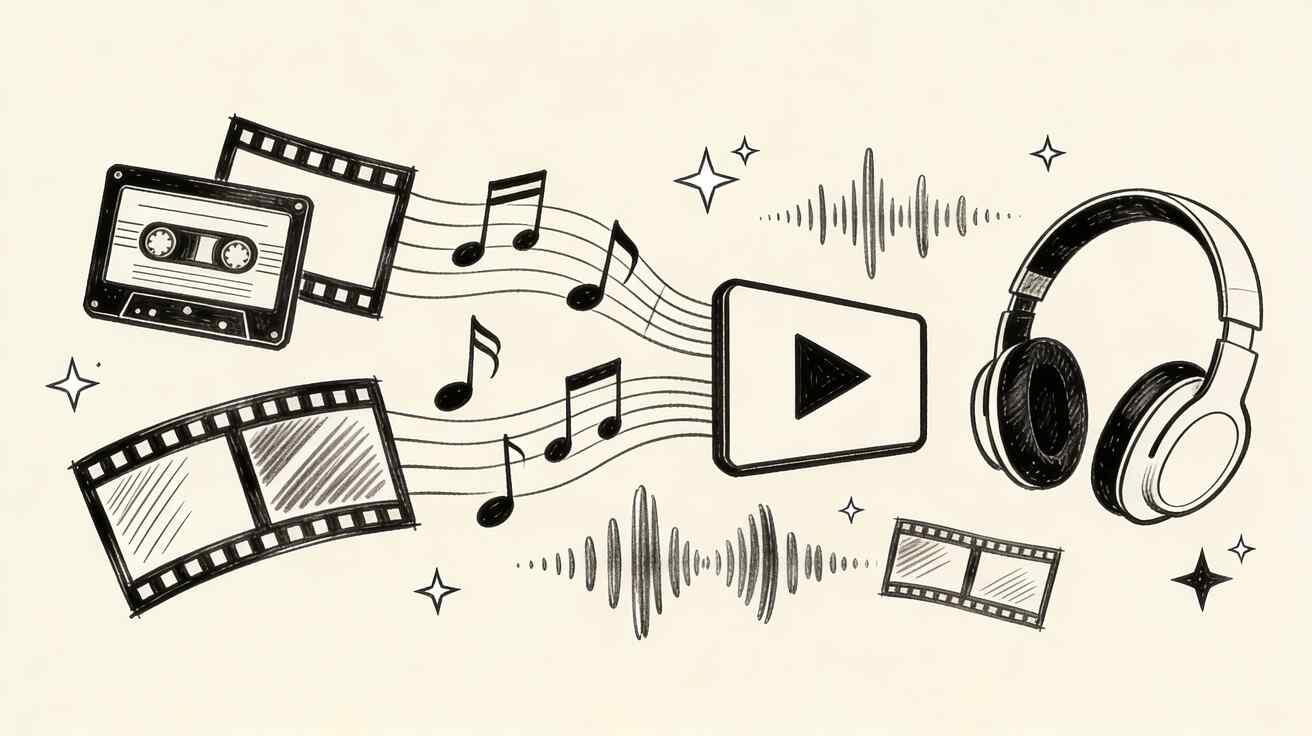
Creating a compelling video is only half the battle. The music makes it memorable. Whether you are producing social media content, marketing videos, product demos, or creative projects, pairing AI-generated visuals with the right music transforms a good video into an unforgettable experience. In this complete guide, we show you how to use AI video generators with music capabilities, compare the best tools, and walk through proven techniques for matching audio with AI-generated visuals.
Quick Answer: AI video generation with Seedance lets you create stunning, professional-quality videos from text prompts or images in just minutes — no editing experience required.
Why Music Makes or Breaks Your AI Video
Before diving into the tools, let us understand why music is so critical to video success.
The Emotional Amplifier Effect
Research shows that background music increases emotional engagement with video content by up to 40 percent. The right music makes a mediocre video feel professional and a great video feel extraordinary. Without music, even stunning AI visuals feel cold and lifeless. Music activates the emotional centers of the brain, priming viewers to receive your message with the exact feeling you want them to have.
Platform Algorithm Signals
On TikTok and Instagram Reels, videos using trending audio receive significantly higher algorithmic distribution. Platforms actively promote content that uses popular sounds, making music selection a growth strategy rather than just an aesthetic choice. Videos with trending audio routinely see two to three times higher organic reach than identical videos with silence or generic audio.
Brand Recall and Retention
Studies show that videos with music have 96 percent higher brand recall than silent videos. For marketing content, this translates directly into return on investment. Viewers remember your brand, your product, and your call to action far more effectively when the message is delivered with a well-chosen soundtrack.
Rhythm-Visual Synchronization
When video cuts align with musical beats, viewers experience what researchers call visual entrainment. Attention stays locked to the content. This is the secret behind every viral video, every great commercial, and every memorable music video ever made. It is learnable and achievable with AI-generated video combined with smart editing.
Emotional Priming
Music tells viewers how to feel before they consciously process what they are seeing. A warm piano piece primes trust. A driving electronic beat signals energy and innovation. A melancholic acoustic guitar signals authenticity and vulnerability. Choose music that primes the exact emotional state you need before your message arrives.
Best AI Video Generators with Music Features in 2026
1. Seedance 2.0 — Best Visual Quality for Music Pairing
Seedance 2.0 generates cinematically stunning video clips that pair beautifully with any music track. Here is what makes Seedance the top choice for music-enhanced video creation.
Seedance strengths for music video content include exceptional motion quality with natural camera movements, consistent visual appearance across multiple generated scenes which is essential for longer videos, 1080p resolution output, both text-to-video and image-to-video modes, a powerful character consistency system via the at-reference feature, and a free tier that lets you start immediately at seedance.tv.
For creating music-enhanced content with Seedance, the recommended approach is to write your prompts with the music energy level clearly in mind, generate scenes that match each section of your track, download all clips, assemble them in CapCut or DaVinci Resolve, and cut every scene change precisely on the beat.
2. Runway Gen-4 — Best for Audio-Reactive Generation
Runway offers audio-reactive generation where you upload your audio and the model generates visuals that respond to the audio waveform. Beat detection automatically suggests cut points. Professional color grading tools help create visual-audio coherence. This is ideal for creators who want the AI to automatically adapt visual energy to match the music.
3. Pika 2.0 — Best Built-in Sound Generation
Pika includes native sound effect generation alongside video creation. The AI-generated sound design automatically matches visual content. Quick turnaround time makes this ideal for social media volume creators. The simple interface has almost no learning curve.
4. CapCut AI — Best Free Integrated Option
CapCut combines video generation with automatic music matching at no cost. The platform auto-suggests music based on video mood analysis, provides beat-synced templates with automatic cut suggestions, includes a massive royalty-free music library, and works on mobile for creating anywhere. For budget-conscious creators who need a complete workflow in one app, CapCut delivers remarkable results.
5. Adobe Premiere Pro with AI — Best Professional Workflow
Adobe Sensei AI analyzes music and suggests edit points automatically. The Remix feature adjusts music duration to match your video timeline precisely. Audio Sync aligns video clips to beats with one click. Integration with Adobe Stock music provides licensed tracks for professional projects.
Step-by-Step: Creating AI Videos with Perfect Music Synchronization
Phase 1: Music Selection Strategy
Option A is to start with music, which produces the most cohesive results. Choose your track from a royalty-free source, identify the tempo and mood, map the section timestamps covering intro, verse, chorus, bridge, and outro, then write visual concepts for each musical section that match its energy level and emotional character.
Option B is to start with visuals. Generate your video scenes in Seedance 2.0 first, export without audio, identify the dominant emotion and pace of what you created, then find music that matches the energy already present in your visuals.
Phase 2: AI Video Generation with Music in Mind
Using Seedance 2.0 with musical awareness built into your prompts produces far better results than adding music as an afterthought.
For upbeat energetic music at 120 beats per minute or higher, generate fast-paced scenes with visible dynamic motion. Use camera movement language in your prompts: fast tracking shot, energetic pan, quick zoom reveal. Keep individual scenes two to four seconds for rapid cutting. An example prompt is: Dynamic tracking shot through a neon-lit cityscape at night, fast movement, energetic and vibrant atmosphere, motion blur on city lights, 4K quality.
For slow emotional music at 60 to 90 beats per minute, generate slower contemplative scenes with subtle motion. Use prompts specifying slow dolly, gentle zoom, meditative drift, unhurried pace. Allow five to eight second scenes with room to breathe. An example prompt is: Slow cinematic dolly through a misty forest at golden hour, ethereal and peaceful atmosphere, soft light filtering through leaves, gentle camera movement.
For dramatic builds and drops, plan a visual payoff scene for the musical climax. Generate a hero shot or dramatic reveal. Use contrast between the quiet visual before the drop and the explosive visual at the peak moment.
Phase 3: Royalty-Free Music Sources
Free sources include the YouTube Audio Library which contains thousands of tracks free for YouTube use, the Free Music Archive with its large Creative Commons catalog, ccMixter for community remixes, and Bensound for quality tracks free with attribution.
Paid sources offering professional quality include Epidemic Sound at fifteen dollars per month as the industry standard, Artlist at 16.60 dollars per month with full sync licensing, Musicbed for premium professional agency work, and Soundstripe at 135 dollars per year for unlimited downloads.
AI-generated music is the newest category. Suno generates custom music from text prompts and is often royalty-free. Udio provides AI music with detailed style controls. Mubert delivers real-time adaptive music generation.
Phase 4: Music Synchronization in Your Editor
Import your AI-generated clips and add the music track as your base layer. Enable beat markers using your editor's automatic beat detection. In CapCut select the audio track, tap Beat, then Auto Beat, and yellow markers appear at each detected beat position.
Cut to the beat with precision. Trim each clip so changes occur exactly on a beat marker. Use quick cuts on strong beats like bass hits and snare accents. Hold shots on sustained notes or quiet passages. Build toward musical climaxes by increasing cutting speed as the music intensifies.
Balance your audio mix by setting music at negative 12 to negative 18 decibels as background level, voiceover and dialogue at zero decibels as the featured element, and sound effects at negative six to negative ten decibels for texture without dominance.
Phase 5: Platform-Specific Music Optimization
TikTok rewards trending sounds with dramatically higher algorithmic reach. Keep videos at 15, 30, or 60 seconds. Establish a strong visual hook before the music starts. Use vertical 9:16 format exclusively.
Instagram Reels rewards both original audio and licensed trending tracks. Keep content under 90 seconds. Add captions since 85 percent of Reels play without sound. Use Instagram's built-in music library for additional in-app discovery boosts.
YouTube standard videos require royalty-free music to avoid content removal. Longer videos of five or more minutes receive preferential algorithmic treatment. Add chapters aligned with musical sections. Include music credits in the description.
LinkedIn demands professional understated music. Keep videos under three minutes. Subtitles are essential since most professional platform views happen on mute.
Advanced Techniques for Music-Enhanced AI Video
Frequency-Based Visual Matching
Different musical frequencies pair naturally with different visual approaches. Bass frequencies from 20 to 250 hertz work with large powerful motions and wide establishing shots. Midrange frequencies from 250 hertz to four kilohertz work with character focus and close-up shots. High frequencies above four kilohertz work with sparkle effects, light details, and texture shots. Silence and pauses call for holding a shot and building visual anticipation. Musical builds call for slow zoom outs and reveal shots. Drops and climaxes call for cutting immediately to hero shots and explosive motion.
Color Grading to Reinforce Musical Mood
Match your color palette to the music's emotional tone. Happy upbeat music pairs with warm tones, high saturation, and bright highlights. Melancholic music pairs with cool desaturated blues and greens with soft shadows. Tense dramatic music pairs with high contrast and deep blacks in a limited palette. Peaceful ambient music pairs with muted pastels and gentle soft gradients.
Lyric Videos with AI Backgrounds
AI-generated lyric videos are one of the highest-performing content formats on YouTube. Generate abstract or thematic background visuals in Seedance 2.0 and create two to four second seamless loops of your best visuals. Layer the lyrics as kinetic text animations precisely synced to each sung word. This format dominates YouTube lyric video search results and also works perfectly as Spotify Canvas videos.
The Music-First Storyboard Approach
For premium music video production quality, listen to the entire track five times before touching any tools. Write down every visual that comes to mind without filtering. Group visuals by song section. Draw simple storyboard frames, no artistic skill required. Now translate each storyboard frame into a precise Seedance 2.0 prompt and generate scenes in order from first to last.
Common Mistakes to Avoid
The energy mismatch mistake involves using slow reflective music over fast-paced footage or vice versa. This creates cognitive dissonance that audiences instinctively dislike even if they cannot identify why.
Ignoring music structure means failing to map your visual edit to the natural sections of the music. Save your hero visuals for the musical chorus, not the quiet verse.
Overly loud music drowns out your message. Background music belongs at 20 to 30 percent of maximum volume with your voiceover or key audio dominant.
Using copyrighted music without licensing results in content removal, copyright strikes, and demonetization across every major platform. Always use properly licensed music for any content you intend to keep online.
Abrupt music endings make content feel unfinished. Always fade music out over one to three seconds or edit your video to end at a natural musical phrase conclusion.
Frequently Asked Questions
Can AI-generated music from Suno or Udio be used commercially? The answer depends on your specific subscription tier and the platform's current terms. Paid plans on both Suno and Udio include commercial licenses. Review the current terms of service carefully since AI music licensing policies are evolving rapidly.
What BPM works best for TikTok and Instagram Reels? The sweet spot is 100 to 130 beats per minute. This tempo range dominates trending sounds because it matches the natural scrolling and engagement pace of short-form platform users. For more emotional aspirational content, 70 to 90 BPM can work well.
Do all AI videos need music? No. Tutorials where voiceover is the primary audio, customer testimonials, news updates, and ASMR content often perform better without background music. When uncertain, test both versions and measure which drives higher completion rate and engagement.
Start Creating Music-Enhanced AI Videos Today
The combination of AI-generated visuals from Seedance 2.0 and strategically chosen music is one of the most powerful tools in modern content creation. With the techniques in this guide and the right music sources, you have everything needed to create professional music-enhanced videos that stand out in any social feed or marketing campaign.
The barrier to creating professional music videos and compelling branded content has never been lower. Start now.
More guides: AI Video Prompts for Beginners | How to Make AI Music Videos | Best AI Video Generator 2026
Building a Sustainable Music-Enhanced Content Strategy
Creating one great music-enhanced video is a milestone. Creating a consistent library of music-enhanced content that grows your audience over time requires a repeatable system. Here is how professional creators structure their music video production workflow for ongoing output.
Weekly Content Cadence for Music-Enhanced Videos
Establish a consistent production rhythm. Many successful creators produce content in batches rather than daily, which actually produces higher quality output. A weekly batch production session might look like this: on Monday you select five music tracks for the week, identify tempo and mood for each, and write all the visual prompts. On Tuesday and Wednesday you generate all video clips using Seedance 2.0 for the full week. On Thursday you do all the editing, cutting every video to its music. On Friday and Saturday you schedule content for the following week across all platforms.
This batch approach saves enormous time because you eliminate context-switching. When your brain is in prompt-writing mode, write all the prompts. When your brain is in editing mode, edit everything.
Music Licensing for Long-Term Peace of Mind
One of the most common mistakes content creators make is to use music they later need to remove because of licensing issues. Building a small library of music you truly own the rights to use protects all your future content. A single Epidemic Sound subscription at fifteen dollars per month covers everything you will ever post. Artlist charges slightly more but provides even broader commercial rights. Many successful YouTube channels report that the single highest-ROI investment they ever made was a proper music licensing subscription.
For creators who want truly unique soundtracks that no competitor can replicate, AI music generation is increasingly viable. Suno generates surprisingly professional results from a simple text description like upbeat corporate background music with piano and light percussion, 110 BPM. The resulting tracks are unique to your account and fully commercially licensed on paid plans.
Analytics: Measuring Music Impact on Video Performance
To optimize your music choices over time, track these specific metrics for each video you publish:
View completion rate tells you if viewers watched to the end. Videos with well-matched music consistently outperform those with poor music on this metric. If completion rate drops off early, the music energy may not match the visual energy in that section.
Engagement rate meaning likes, comments, and shares correlates strongly with emotional resonance. Music is a primary driver of emotion. Videos that move people to an emotional response generate disproportionately high engagement.
Saves and bookmarks indicate that viewers found the content valuable enough to want to return to it. Tutorial-style content with calm professional background music tends to drive high save rates.
Sound-on versus sound-off viewing ratios available on Instagram insights reveal whether your audience is watching with audio enabled. If most viewers watch without sound, heavy-music content may be less appropriate for your specific audience than you realized.
The Emerging Role of AI in Music-Video Synchronization
The technology connecting AI video generation with automatic music synchronization is advancing rapidly. Several tools are developing features that will fundamentally change this workflow. Adobe Premiere Pro is developing fully automatic music-to-beat synchronization where you import clips and music and the AI assembles the first edit automatically. TikTok is developing AI tools that automatically match trending audio to user-uploaded video. YouTube is experimenting with automatic background music suggestions based on video mood analysis.
These developments mean that the core skill for creators is shifting from technical synchronization to creative direction. Understanding which emotions to evoke, which musical styles to deploy for which audiences, and which visual-audio combinations tell the most compelling stories will matter more than the mechanics of beat matching. Investing time in developing your music taste and emotional intelligence for creative work will pay dividends as the technical work becomes increasingly automated.
Building Your Personal Prompt Library for Music-Enhanced Content
Over time you will discover which prompts generate the best clips for pairing with specific types of music. Keep a personal library of your best prompts organized by musical mood and energy level. Here are starting templates organized by music type:
For high-energy electronic and hip-hop content, prompts that work well include: fast-paced urban environments with motion blur and neon lighting, energetic product reveals with dramatic camera movements, crowds and group energy scenes with tracking shots following movement, and quick cuts between close-up detail shots and wide establishing shots.
For acoustic and indie folk content, prompts that work well include: natural landscapes with subtle movement like swaying grass or falling leaves, warm domestic interiors with gentle morning light, candid human moments captured in medium shots, and textural close-ups of hands working or objects in use.
For cinematic orchestral content, prompts that work well include: wide landscape aerials with slow majestic camera movements, dramatic weather events with storm clouds and lightning in the distance, architectural grandeur shots with low-angle upward perspectives, and time-lapse scenes of natural or urban environments changing over time.
Seedance 2.0 handles all of these visual styles with impressive quality. Build your personal prompt library systematically and you will dramatically reduce the time needed to produce consistent high-quality output.
Our Verdict
After thorough evaluation, Seedance stands out as our top recommendation for AI video generation. Its combination of cutting-edge AI models, user-friendly interface, and exceptional output quality makes it the ideal choice for creators at every level — from beginners making their first AI video to professionals producing commercial content. Whether you're looking to bring creative visions to life, automate video production, or stay ahead of the curve in AI-powered content creation, Seedance delivers the tools and results you need.
Ready to try it yourself?
Put the steps from this guide into practice with Seedance and turn prompts or images into polished videos in minutes.
Free credits on signup. Plans from $28/month.
Related Articles
More posts in the same locale you may want to read next.
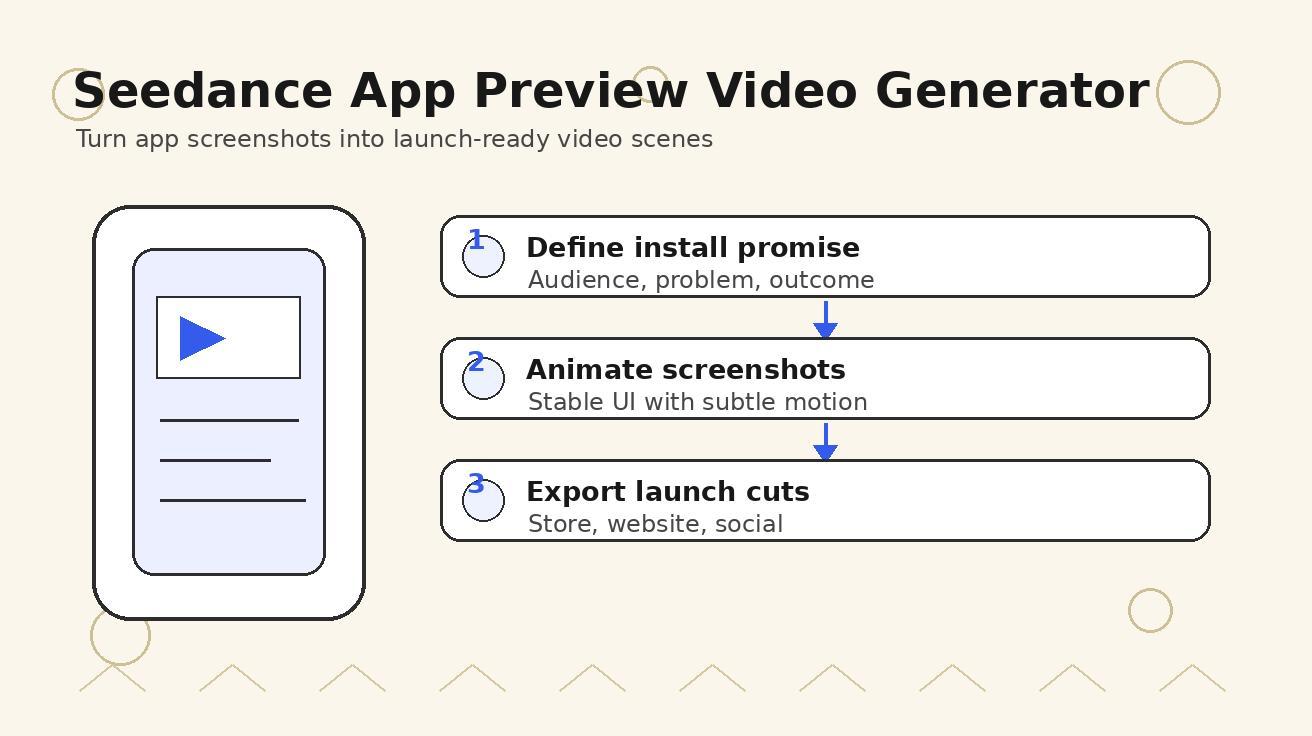
Seedance App Preview Video Generator 2026: Create App Store and Product Launch Clips
Use Seedance to turn app screenshots, feature copy, and launch goals into App Store previews, Google Play promo videos, and product launch clips.
Read article
Gemini AI Video Prompt Examples: Copy-Ready Veo Scenes and a Better Prompt Formula
Copy Gemini AI video prompt examples for cinematic motion, product ads, dialogue, and vertical clips, then adapt them with a practical Veo prompt formula.
Read article
How to Keep Product Shape Consistent in AI Video Ads
Lock product geometry, packaging, labels, references, camera angles, and approval checks so AI video ads preserve the real SKU across every shot.
Read article