
Seedance 2.0 is available to global users now, without a waitlist, primarily through third-party API platforms such as fal.ai. It supports up to 9 images, 3 video clips, and 3 audio files, so you can start generating complex multi-asset videos straight away rather than waiting for a standalone consumer app.
If you're a UK creator, marketer, teacher, or small business owner, that's the part you probably needed confirmed first. The confusing bit is everything around it. There isn't a simple official public sign-up page from ByteDance that behaves like a typical creative web app, so many people keep searching for a portal that doesn't really match how access works today.
That matters because Seedance 2.0 availability isn't just a yes-or-no question. It's also a workflow question. Where do you access it, what kind of account do you need, what can you make on day one, and what should a British user think about before uploading client footage, staff photos, or branded audio?
For creative professionals in the UK, the practical answer is this: you can use it now, but you should use it with open eyes.
Understanding Seedance 2.0 Core Capabilities
The easiest way to think about Seedance 2.0 is as an AI film director rather than a simple clip generator. A basic video model often feels like asking for one isolated shot. Seedance 2.0 is closer to asking for a short sequence with direction, continuity, and sound design built into the same workflow.
That difference is why so many creators care about it. Instead of producing a single attractive fragment, it can work across multiple reference assets and aim for a more coherent result. For a marketer, that means fewer disconnected clips. For an educator, it means a clearer route from lesson concept to visual explainer. For a filmmaker, it means stronger control over how one moment leads into the next.

What makes it feel different
A standard prompt might ask for “a runner on a rainy London street at night”. A stronger Seedance-style prompt can imply camera movement, scene progression, and audio mood in one go. That gives the model more to work with than a single visual instruction.
The official capability set also goes well beyond text alone. According to Seedance 2.0 input support details, the model supports up to 9 images, 3 video clips (total ≤15s), and 3 audio files (≤15s each), letting users combine up to 12 multimodal assets in a single generation. In practical terms, a UK marketing team could upload 5 product images, 2 short video clips showing motion, and 1 music track to create a 15-second multi-shot promotional video with synchronised audio and consistent character transitions.
That sounds technical, but its practical benefit is simple. You don't have to choose between text, stills, motion references, or sound references. You can combine them.
Practical rule: Treat your inputs like a storyboard pack, not a random file dump. The closer your references are to one creative direction, the better your output tends to feel.
Why multimodal input matters to working teams
This matters most when several people touch the same project. A solo creator might upload a product image and a music bed. An agency might have brand stills, a rough vertical teaser, ambient audio, and a reference scene already approved by a client. A teacher might have a narrated clip, a diagram, and two classroom visuals.
That mixed-input workflow is one reason Seedance 2.0 is notable. It narrows the gap between ideation and rough cut. If you want a deeper look at how the model handles these creative controls, the Seedance 2.0 features overview is useful background reading.
One point often overlooked is the role of audio planning. If you're building explainers, tutorials, or ad creatives with spoken elements, it helps to understand how machine-generated speech and timing fit into production workflows. A helpful primer is Typist's guide to AI transcription, especially if you're comparing scripted voice generation with transcription-led editing and captioning.
A simple mental model for first projects
If you're unsure how to start, think in three layers:
- Visual anchors. Use still images for character, product, or scene consistency.
- Motion anchors. Add short video references when you want a particular movement or pace.
- Sound anchors. Bring in audio when rhythm, ambience, or spoken delivery matters.
That layered approach is often easier than trying to force everything into one giant text prompt.
Good results usually come from clear reference materials plus a restrained brief, not from writing the longest prompt possible.
Current Seedance 2.0 Availability Status Explained
The current release status is easier to understand once you separate model availability from consumer app availability. The model is available. A mainstream, direct-to-consumer web experience from ByteDance isn't the main route for current usage right now.

That distinction is where many readers get stuck. They search for an official public dashboard, assume access is closed when they don't find one, and stop there. In reality, the route for most international users is through API-first platforms that have already integrated the model.
What is confirmed right now
According to fal.ai's Seedance 2.0 page, Seedance 2.0 was officially released by ByteDance in February 2026, and its API became available on fal.ai starting April 9, 2026, which allows global users to generate videos immediately without setup. The same page gives a practical example: a UK-based creator can use the fal.ai playground to make a 10-second cinematic video with native audio within minutes by entering a text prompt and choosing 16:9.
That's the clearest answer to the availability question. Yes, you can access it. No, you don't need to sit on a waitlist. But yes, you may need to change your expectations if you were hoping for an app-store style experience.
Why access feels indirect
API-first launches are common when a model is ready for developer and platform use before a polished consumer interface exists for everyone. For non-technical users, “API access” can sound like coding is required. Often it isn't. Platforms such as fal.ai provide playground-style interfaces, so you can test prompts in a browser.
Here's the useful distinction:
- Direct web app. Usually a branded site with a simple account flow and creator dashboard.
- API platform with playground. A third-party service that exposes the model through a browser interface and, for developers, through programmable access.
- Integrated partner tools. Other creative platforms that may wrap the model in their own UI.
If you're a marketer or teacher, the second option is probably the one you'll use first.
A quick walkthrough helps make that clearer in practice:
<iframe width="100%" style="aspect-ratio: 16 / 9;" src="https://www.youtube.com/embed/Pvx4XsqbZHU" frameborder="0" allow="autoplay; encrypted-media" allowfullscreen></iframe>
What this means for UK users
For British teams, the immediate takeaway is practical. Stop looking for a public waitlist and start evaluating the access platforms that already offer the model. Your actual decision is less “Can I get in?” and more “Which access route fits my workflow, budget, and risk tolerance?”
If a platform gives you a working playground today, that's the current form of Seedance 2.0 availability that matters most.
A Practical Guide to Accessing Seedance 2.0 Now
If you want to try it today, the least complicated path is a browser-based platform that already exposes the model. For many people, that means fal.ai because the access path is visible and immediate.
Start with the platform, not the model
Most first-time users overcomplicate this. They think they need a developer account, a private invite, or a production API key before they can test anything. In practice, your first goal is much smaller: open a playground, fund the account if needed, and run one short generation.
A clean way to approach it is:
-
Create an account on an access platform
Use a provider that already lists the model in a live playground. If you want technical context before you begin, the Seedance 2.0 API guide gives a useful overview of how platform access tends to work. -
Check the input panel before writing your prompt
Look at what the interface accepts. Text-only generation is the fastest way to learn. If the platform supports image, video, or audio uploads in the same flow, decide whether you need them for your first test. -
Set a simple output goal
Don't begin with “make my whole brand campaign”. Start with one scene or one short ad concept.
A first-run example for a UK creator
Say you're a freelance videographer in Manchester testing whether the model can help with pitch visuals.
Your first prompt could be something like this in plain English:
“Create a cinematic product teaser for a reusable water bottle on a kitchen counter at sunrise, starting with a close-up on condensation, then a wider lifestyle shot, with soft ambient sound and clean commercial lighting.”
That prompt works because it gives the model four useful cues: subject, setting, shot progression, and audio mood.
After that, move through the interface in this order:
- Choose aspect ratio. Use widescreen if you're making a website hero or YouTube-style teaser. Use vertical if the end use is social.
- Keep the first clip short. Short tests are easier to evaluate.
- Leave advanced settings alone at first. Too many changes make it harder to learn what contributed to the improved result.
- Review the output like an editor. Watch once for overall impression, then again for continuity, strange motion, and whether the sound fits the brief.
When to add reference files
Once the text-only run gives you a feel for the platform, start adding assets with intent.
A good second-stage workflow looks like this:
- Use still images when brand consistency matters. Product shots, character references, packaging, or location moodboards are strong candidates.
- Use short video clips when you're trying to hint at movement, framing, or pacing.
- Use audio references when the rhythm of the final piece matters more than the exact visuals.
Don't upload everything you have just because the interface allows it. More inputs can improve control, but they can also muddy the result if the references disagree with each other.
The best first project is usually a narrow brief with one clear success criterion, such as “Can this produce a usable opening shot for my ad?” rather than “Can this replace my whole editing stack?”
A prompting pattern that helps
For multi-shot work, write prompts in this sequence:
-
Subject first
Who or what is on screen? -
Scene second
Where does it happen and what mood should it carry? -
Shot flow third
What happens first, then next, then last? -
Audio last
Add ambient sound, dialogue tone, or music feel only after the visual direction is clear.
That order mirrors how many creative teams think about a brief anyway. It also reduces the chance that your prompt becomes a pile of disconnected adjectives.
What to check before using the result
Before you send any generated clip to a client or colleague, run a quick review:
- Continuity. Does the subject stay recognisable?
- Brand fit. Does the style match your campaign or lesson?
- Audio suitability. Is the sound usable as-is, or only good enough for a draft?
- Rights sensitivity. Did you upload material that includes faces, trademarks, or proprietary visuals?
That last point becomes especially important for UK commercial use, which brings us to pricing choices and legal caution.
Pricing Models and Platform Requirements
Pricing is one of the least clear parts of current Seedance 2.0 availability because access sits inside third-party platforms. That means you're often paying the platform's pricing model, not dealing with one universal public tariff from a single consumer app.
For most users, the practical question isn't “What does Seedance 2.0 cost in theory?” It's “How does this provider bill me, and what kind of project does that suit?”
The models you're likely to see
API access platforms usually package usage in one of three ways:
- Credit-based access. You buy credits, then spend them on generations. This is common for people who want to test several ideas without a fixed monthly commitment.
- Pay-per-use billing. You pay according to what you generate. This can suit agencies or production teams that need flexibility.
- Platform subscription with model access. Some providers bundle usage into broader creative plans.
Because providers can change their billing, it's worth checking the current charging page before budgeting a client job. If you're comparing AI tooling spend across your workflow, AI Video Detector pricing is a useful example of how adjacent AI services present plan structure and usage limits clearly.
Platform requirements are simple
The good news is that the hardware barrier is low for basic access. If you're using a browser-based playground, you generally don't need a specialist workstation just to test prompts and review outputs.
In practice, many users only require:
- A modern web browser
- A stable internet connection
- Source files ready to upload, if you're using multimodal input
- A basic asset review process, especially for client work
If you're doing heavier production work, your local machine still matters for downloading, organising, reviewing, and editing the generated material afterwards. But the generation itself is handled in the cloud.
Seedance 2.0 access platform comparison 2026
| Platform | Pricing Model | Best For | Notes |
|---|---|---|---|
| fal.ai | API platform and playground access | Fast testing and immediate hands-on use | Public-facing route with clear access flow for global users |
| Higgsfield | Third-party access platform | Creators exploring global availability through partner tooling | Availability is present, but UK compliance questions remain important |
| Kie AI | Third-party access option | Users looking for alternative integration routes | Check workflow, billing, and data handling terms before uploading sensitive assets |
If you want a product-focused breakdown of how pricing logic is commonly framed around this model, the Seedance 2.0 pricing overview is worth a look.
How to choose without overthinking it
A simple decision filter works well:
- Pick fal.ai if you want the most direct route from curiosity to first generation.
- Consider other access providers if you already use their tools or prefer their interface.
- Pause before uploading confidential assets if the platform terms aren't clear enough for your organisation.
You don't need the perfect provider for a first experiment. You need one that lets you learn the model quickly, at low risk, with a small project.
Navigating Key Limitations and Legal Considerations
The biggest mistake UK users can make is assuming that easy access means settled rules. It doesn't. Seedance 2.0 may be available now, but availability and legal clarity are not the same thing.

The technical limits are manageable
Most creative tools have rough edges, and AI video is no different. You may see odd transitions, awkward motion, or output that feels more like a first draft than a final cut. Multi-asset prompting improves control, but it doesn't guarantee perfect consistency.
The practical response isn't to abandon the tool. It's to use it where it performs well:
- Concept visualisation instead of final broadcast delivery
- Pitch materials instead of legally sensitive campaigns
- Internal explainers instead of public-facing regulated content
- Short-form creative testing before larger production spend
This keeps the model in a role where its strengths matter and its imperfections are less costly.
The UK data question is still unresolved
For British businesses, the more serious issue is data handling. According to Higgsfield's Seedance 2.0 page, global rollout is available, but there is no official ByteDance statement addressing whether data generated by UK users through third-party access points complies with the UK Data Protection Act 2018 or GDPR. That concern is amplified by the model's ability to process up to 12 personal or proprietary files per generation.
That isn't a small footnote. It's a workflow decision.
If you're uploading staff headshots, classroom media, client-owned visuals, or unreleased campaign assets, you should know where those files go, what the platform retains, and what contractual protection you have.
What to ask before uploading client material: Where is data processed, how long is it stored, can it be used for service improvement, and what deletion controls are available?
Copyright and commercial use need caution
Audio generation raises a second UK-specific question. If a model can create dialogue, ambience, and music in one pass, businesses naturally want to use that output in ads, product videos, course content, and promos. The problem is that UK guidance around AI-generated audio and related rights is still unsettled in practice.
For a small business owner, that means caution around anything that sounds like a human performance, a distinctive voice, or music intended for paid commercial use. For educators, it means checking institutional policy before publishing AI-generated narration or soundtrack material in outward-facing learning content.
A cautious workflow helps:
-
Use low-risk source material first
Avoid uploading sensitive faces, confidential footage, or copyrighted media unless you have a clear legal basis. -
Keep a project log
Record what you uploaded, which platform you used, and how the output was intended to be used. -
Separate draft use from commercial release
A clip that's fine for internal concepting may not be suitable for public distribution. -
Ask for legal review on client work
Especially if the video includes branded assets, recognisable people, or synthetic speech.
A sensible UK default
If you're a British creator working alone, the safest default is to treat current access as an experimental production tool, not an automatic compliance-safe publishing system.
That doesn't make the model unusable. It means you should match risk to use case. Generating a rough storyboard for your own concept is one thing. Uploading identifiable student media or regulated client content is another.
Easy access doesn't remove your responsibility. It shifts more of the responsibility onto your review process.
Your Next Steps for Creating with Seedance 2.0
The useful way to think about Seedance 2.0 is this: the tool is accessible now, the creative ceiling is high, and the practical route in is through third-party platforms rather than a familiar one-click public app.

That combination creates both opportunity and friction. You can start generating quickly, but you need to be more deliberate about platform choice, asset handling, and commercial use than many first-time users expect.
A three-step plan that works
Pick one provider and run a tiny project
Don't begin with your biggest campaign or most sensitive brief. Test with a small creative task that tells you something concrete. A product teaser, a lesson intro, a visual mood piece, or a short social concept is enough.
Judge the result by one standard. Did it save you time in ideation, or didn't it?
Learn from live examples, not just feature pages
Communities on creator forums, Discord servers, and X can help you spot what people are getting from current access platforms. That's often more useful than polished launch material because you can see prompt styles, rough edges, and realistic workflows.
Look for people sharing the exact type of work you do. An educator's prompt structure won't always help a brand strategist, and a music video workflow won't tell a retailer much about product storytelling.
Keep one eye on policy and platform updates
The practical side of Seedance 2.0 availability may keep evolving. Access routes can change, platform interfaces can improve, and legal guidance may become clearer over time. For UK users especially, this isn't the kind of tool you evaluate once and forget.
Recheck the terms before you move from experiments to serious commercial use. That habit will save far more trouble than chasing the newest visual trick.
The main opportunity here is straightforward. If you treat the tool as a fast-moving creative system, not a settled production standard, you can learn a lot from it right now without making careless decisions.
If you want to explore the wider ecosystem around this model, visit Seedance for updates, product information, and a closer look at how AI video generation is developing.
Ready to create your own AI video?
Turn ideas, text prompts, and images into polished videos with Seedance. If this article helped, the fastest next step is to try the product.
Free credits on signup. Plans from $28/month.
Related Articles
More posts in the same locale you may want to read next.
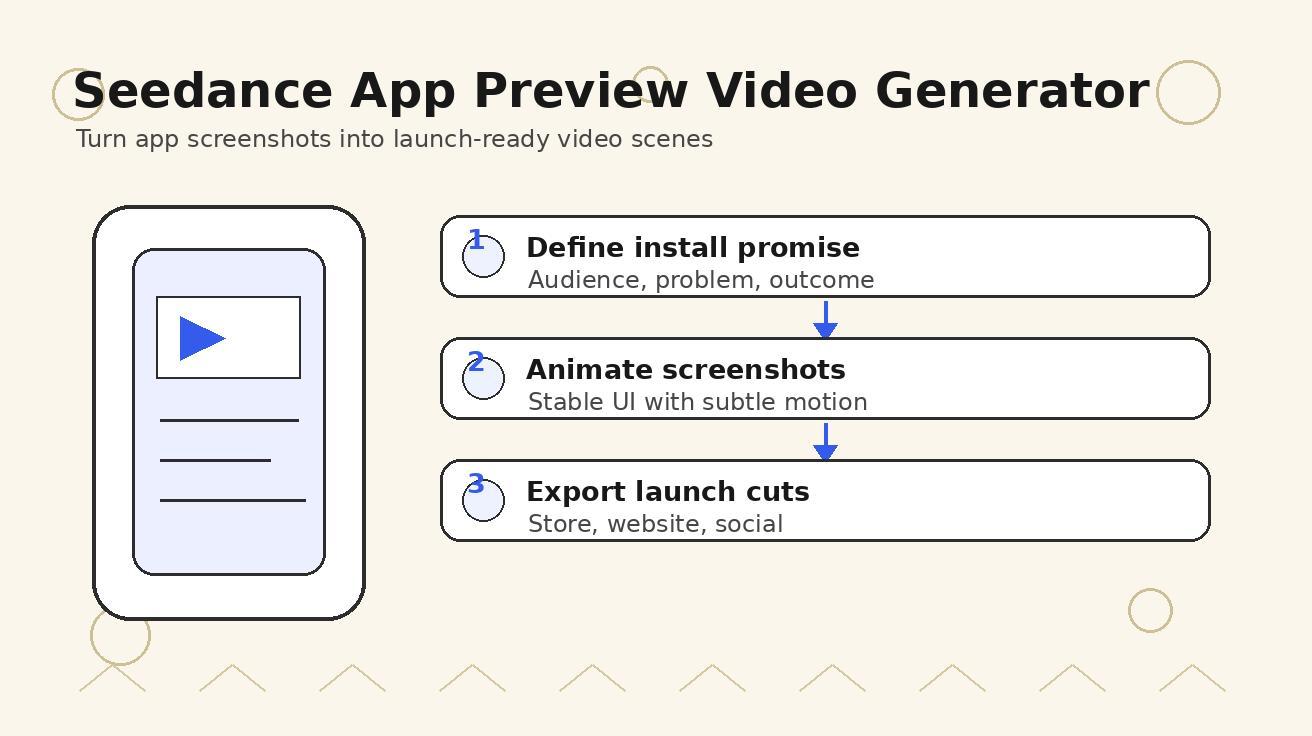
Seedance App Preview Video Generator 2026: Create App Store and Product Launch Clips
Use Seedance to turn app screenshots, feature copy, and launch goals into App Store previews, Google Play promo videos, and product launch clips.
Read article
Gemini AI Video Prompt Examples: Copy-Ready Veo Scenes and a Better Prompt Formula
Copy Gemini AI video prompt examples for cinematic motion, product ads, dialogue, and vertical clips, then adapt them with a practical Veo prompt formula.
Read article
How to Keep Product Shape Consistent in AI Video Ads
Lock product geometry, packaging, labels, references, camera angles, and approval checks so AI video ads preserve the real SKU across every shot.
Read article