
Seedance 2.0 on Dreamina: Free AI Video Creation Guide (2026)
Imagine having an idea for a video, writing it down, and watching it come to life in full high-definition glory. That's the promise of Seedance 2.0 Dreamina, ByteDance's powerful new AI tool that turns simple text descriptions into cinematic, multi-shot videos. It’s designed to put professional-grade video creation in your hands, even if you don't own a camera or have any editing experience.
Quick Answer: Seedance 2 0 Dreamina — Seedance provides a comprehensive solution with cutting-edge AI video generation technology, making it easy for creators at every level to produce professional-quality content quickly and efficiently.
What Is Seedance 2.0 Dreamina and How Does It Work?

Think of Seedance 2.0 Dreamina as an AI creative partner. You feed it your ideas in plain text, and it acts as a director, cinematographer, and editor all in one, generating video clips complete with specific camera angles, character movements, and detailed scenery.
What makes this different is its focus on telling a story. We’re moving past the era of generating short, isolated clips. Seedance 2.0 is built for narrative cohesion, letting you string together a sequence of shots that feel connected and maintain a consistent look. It's less of a novelty GIF-maker and more of an AI-powered film crew waiting for your direction.
A New Era for Video Production
Not long ago, making a high-quality video meant dealing with expensive gear, hiring a skilled crew, and sinking hours into post-production. Seedance 2.0 is designed to tear down those walls, giving storytellers direct access to powerful production tools. To really appreciate what a big deal this is, it helps to understand the basics of how you create videos with AI and the workflows involved.
This opens up a world of possibilities for a wide range of creators:
- Marketers can rapidly produce eye-catching ads for social media campaigns.
- Filmmakers can quickly storyboard and pre-visualise complex scenes.
- Educators can design engaging instructional content that captivates students.
- Small businesses can finally build a professional brand identity without a Hollywood budget.
From a Simple Prompt to a Finished Scene
The workflow is refreshingly straightforward. You simply write a prompt describing what you want to see. The more detail, the better. So, instead of a vague prompt like "a woman walking," you could get specific: "A medium shot of a woman in a red coat walking through a rainy London street at night, neon signs reflecting on the wet pavement."
Seedance 2.0 takes that detailed instruction and generates a matching video clip. Initial tests show it can create footage in 1080p resolution or higher in a matter of minutes, a massive leap in speed from earlier models.
The real game-changer here is Seedance 2.0 Dreamina’s ability to keep characters and artistic styles consistent from one shot to the next. This is what enables you to build a proper, coherent narrative—a major hurdle that has stumped AI video tools until now.
By wrapping all this power in its user-friendly Dreamina platform, ByteDance makes the entire process feel intuitive. It allows you to stay focused on the creative side of your project instead of getting bogged down in technical details. You can explore a range of text-to-video capabilities to see how this powerful AI can turn your words into compelling stories. You can learn more about its text-to-video capabilities by exploring platforms like https://www.seedance.tv/text-to-video.
Exploring Core Features and Capabilities

While the idea of turning text into video is exciting, the real magic of Seedance 2.0 Dreamina is in its practical, production-ready features. It's more than just a novelty for generating quick clips; it's a suite of tools that gives creators genuine creative control. Let’s dive into what really makes this thing work.
At its heart, Seedance 2.0 Dreamina is a storytelling engine. Where many AI models churn out beautiful but disconnected shots, this tool is built to weave them together into a coherent sequence. This is the difference between a random slideshow and a real narrative.
The star of the show here is multi-shot storytelling. You can actually describe a whole sequence of events in a single prompt, and the AI will generate separate, yet connected, shots that follow your narrative arc.
Unlocking Character and Scene Consistency
One of the biggest headaches with AI video has always been consistency. You know the drill: your main character has brown hair in one shot and suddenly turns blonde in the next. Seedance 2.0 was clearly designed to tackle this problem head-on.
The model’s architecture is sophisticated enough to remember and lock in visual details. This means characters, props, and backgrounds stay the same from one shot to the next. You can create a character and have confidence that they'll look like themselves throughout the entire story.
For example: Let's say you prompt, "Shot 1: A detective in a trench coat stands on a rain-slicked city street. Shot 2: He walks into his dimly lit office. Shot 3: A dramatic close-up on his face as he looks at a clue." Seedance 2.0 will work to ensure the detective looks identical in every single shot.
This is a massive step forward for anyone creating narratives, whether for a short film, a social media ad, or an educational video. The AI keeps track of the details, freeing you from tedious and often impossible editing fixes.
Mastering the Cinematic Look
Beyond just telling a story, Seedance 2.0 gives you the director's chair. It understands the language of cinema, so you can guide the camera just like you would on a physical set. This opens up a whole new world of creative expression.
Here are a few of the key cinematic controls you get to play with:
- Dynamic Camera Movements: You can specifically request things like dolly shots, tracking shots, crane movements, or even the subtle instability of a handheld camera.
- Diverse Visual Styles: The model has a huge visual vocabulary. You can prompt for anything from photorealism to animation, cyberpunk grime, or vintage film noir.
- High-Resolution Output: Early demonstrations point to video generation at 1080p and higher, producing sharp, professional-looking footage that doesn't fall apart on a big screen.
These features transform you from a writer into a director. You can call for a "low-angle shot" to give a character an imposing presence or a "whip pan" for a sudden, energetic transition. You can also explore how to add more depth with video effects to complement the generated footage.
Ultimately, it’s this blend of narrative coherence, cinematic control, and high-quality output that makes Seedance 2.0 Dreamina feel so different. The smooth motion and believable physics are a clear improvement on the strange, floaty outputs we often saw in older models, giving you a powerful toolkit to create videos that are not just technically sound but visually polished and emotionally resonant.
Comparing Seedance 2.0 with Its Predecessor
Moving on from the original Seedance to Seedance 2.0 Dreamina is more than just a simple version bump—it’s a leap forward in how we think about AI video creation. The first iteration was great at what it did: generating single, high-quality video clips. But Seedance 2.0 is built for something much bigger: real, honest-to-goodness storytelling.
<iframe width="100%" style="aspect-ratio: 16 / 9;" src="https://www.youtube.com/embed/sHoaCAt7kvk" frameborder="0" allow="autoplay; encrypted-media" allowfullscreen></iframe>
Think of it like this: Seedance 1.0 was like having a camera that could take one brilliant, perfectly composed photograph. Seedance 2.0 is like being handed the director's chair for a whole scene, letting you string together multiple shots to build a narrative.
This is a fundamental shift that transforms the tool from a simple clip generator into a creative partner. It opens up avenues for storytelling that were simply not possible with earlier AI models.
From Single Shots to Coherent Scenes
The single biggest upgrade you'll notice in Seedance 2.0 is its capacity for multi-shot narratives. Let's say you wanted to create a short car chase. With the old version, you’d probably prompt for "an exciting car chase" and get a single, well-executed clip of cars speeding along. It might look great, but it's just one moment.
With Seedance 2.0, you can be far more directorial.
Practical Example: Directing a Car Chase
- Prompting with Seedance 1.0: "A fast-paced car chase through a city at night." The result would be a single, impressive shot of cars racing.
- Prompting with Seedance 2.0: You can break it down scene-by-scene. "Shot 1: Wide angle of two cars racing down a neon-lit street. Shot 2: Close-up on the determined face of the driver. Shot 3: The car skids to a dramatic halt, smoke rising from the tyres."
What you get back are three distinct, yet visually consistent shots that tell a mini-story. This ability to direct shot-by-shot is a massive step forward, giving creators the power to build suspense, develop characters, and control the rhythm of their films.
Speed, Quality, and Realism
Beyond just storytelling, Seedance 2.0 brings some serious technical firepower that makes a real difference to your workflow. The generation speed is noticeably quicker—some tests show it’s up to 30% faster than the original. That means less time staring at a progress bar and more time experimenting.
The visual quality has also had a major overhaul. While Seedance 1.0 produced solid 1080p video, Seedance 2.0 can push that all the way to 2K resolution. The footage is cleaner, crisper, and holds up much better on larger displays.
It's not just about more pixels, though. The real magic is in the improved physics and lighting. Seedance 2.0 produces motion that feels more grounded and believable, getting rid of that slightly floaty, uncanny movement that often gave away earlier AI videos.
This blend of higher resolution and better physics makes the final output feel far more professional and immersive.
Seedance 1.0 vs Seedance 2.0 Feature Comparison
To really see how far things have come, it helps to put the two versions side-by-side. This table breaks down the core advancements you can expect when making the switch.
| Feature | Seedance 1.0 | Seedance 2.0 |
|---|---|---|
| Storytelling | Primarily single-shot generation | Multi-shot narrative with seamless transitions |
| Generation Speed | Standard processing times | Up to 30% faster generation |
| Character Consistency | Variable, often lost between shots | High consistency across multiple scenes |
| Output Resolution | Up to 1080p | Up to 2K resolution |
| Realism & Physics | Good motion and basic lighting | Advanced physics and dynamic lighting effects |
In the end, putting Seedance 2.0 next to its predecessor is like comparing a short, standalone clip to a fully edited scene from a feature film. Both are useful, but the new version offers the control, quality, and creative depth needed for much more ambitious and compelling work.
Frequently Asked Questions
Q: What makes Seedance different from other AI video tools? A: Seedance combines state-of-the-art AI models with an intuitive interface, making professional video creation accessible to everyone. Its unique blend of powerful generation capabilities, fast processing, and affordable pricing sets it apart from competitors.
Q: How good is the video quality from Seedance? A: Seedance produces high-quality videos with smooth motion, accurate prompt adherence, and impressive visual fidelity. The platform supports multiple aspect ratios and resolutions, including HD output for professional use cases.
Q: Is Seedance suitable for professional video creators? A: Absolutely. Seedance is used by content creators, marketers, filmmakers, and businesses worldwide. Its advanced controls, high-resolution output, and batch generation capabilities make it a powerful tool for professional workflows.
Where Seedance 2.0 Really Shines: Practical Uses for Creators and Businesses

While the tech behind Seedance 2.0 Dreamina is fascinating stuff, its real value comes alive when you put it to work on actual projects. It’s time to move past the theory and look at how this tool can make a genuine difference, whether you're a marketer, a filmmaker, an educator, or running your own business. It's all about connecting its powerful features to your day-to-day challenges.
This isn’t just about making slick videos; it’s about solving real-world problems. From shoestring budgets to impossible deadlines, Seedance 2.0 offers practical answers that were once completely out of reach for most of us. Let's dig into some of the most common scenarios.
For Marketers and Small Businesses
Here in the UK, Seedance 2.0 Dreamina is already becoming a go-to tool for small businesses. Early adopters are seeing a massive 90% reduction in the labour costs tied to video production. Because it’s built right into the Dreamina platform, UK marketers can now churn out cinematic 1080p clips in under four minutes. This speed has allowed London-based SMEs to take animation projects that used to take over a week and finish them in just three days, often saving thousands on jobs that would traditionally cost over £5,000.
This is a game-changer when you consider that UK data shows video drives 80% of all online traffic, yet 65% of small firms say cost is the biggest hurdle. You can learn more about how it's shaking up the UK's creative scene over at Pinion Newswire. Suddenly, creating frequent, high-quality content without a dedicated production crew is entirely possible.
- Rapid Ad Creation: Need a sharp, 15-second ad for a new social campaign? You can now generate and compare multiple versions in a single afternoon.
- Product Visualisations: Ditch the static product shots. Create dynamic videos that show your product in action from every conceivable angle.
- A/B Testing: Easily produce different ad variations to test which story, visual style, or call-to-action truly connects with your audience.
Actionable Prompt Example for Marketing: "A vibrant, 15-second multi-shot ad for a new coffee brand. Shot 1: Macro shot of dark coffee beans being roasted. Shot 2: A skilled barista pours intricate latte art. Shot 3: A happy customer takes a sip, smiling with satisfaction. Upbeat and modern style."
For Filmmakers and Storytellers
For independent filmmakers, Seedance 2.0 is like having a pre-visualisation department living on your laptop. It drastically closes the gap between an idea and seeing it on screen, letting you test out concepts, refine storyboards, and even generate entire short films with a consistent look and feel.
The crucial element here is the tool’s impressive character and style consistency. A survey from the UK Creative Industries Federation highlighted that 72% of filmmakers were testing AI tools like Dreamina in early 2026. Among them, Seedance users reported 40% better character consistency than with competing models. That level of reliability is what makes it a genuinely viable tool for narrative projects.
- Pre-visualisation (Previz): Quickly mock up entire sequences to plan your camera angles, actor blocking, and pacing long before you ever step onto a set.
- Concept Pitching: Create a powerful "proof of concept" video to show investors or collaborators the film you see in your head.
- Short Film Production: Push the creative boundaries by producing entire narrative shorts, experimenting with different genres and unique visual languages.
As more creators and businesses use AI for video, making sure the final product is accessible is just smart. Tools like YouTube video transcription software can help your content reach a much broader audience.
For Educators and Instructors
Education is another field where Seedance 2.0 Dreamina can have a huge impact. Complex topics that are tough to explain with just text or static diagrams can be brought to life with short, engaging animations. In fact, educators in Manchester have reported generating lesson videos 5 times faster than before, which has led to a 35% jump in student engagement, according to their feedback.
Actionable Prompt Example for Education: "A simple, 30-second animated educational video explaining the water cycle for children. Use friendly, clear graphics. Show evaporation from the ocean, condensation into clouds, precipitation as rain, and collection in rivers."
This allows teachers to build up a library of custom visual aids without needing any animation experience, making learning far more dynamic and memorable for students of all ages.
How to Master Your Prompts for Cinematic Results
The quality of video you get out of Seedance 2.0 Dreamina comes down to one thing: the quality of your prompt. Moving from a blurry, generic clip to a sharp, cinematic scene is all about learning to give the AI clear, detailed instructions. Think of it less as a technical chore and more like learning to speak a new language – the language of visual direction.
At its heart, a great prompt is a direct translation of the image in your mind. If you give it a vague idea like "a man walking," you’re leaving far too much to chance. The AI has to guess, and the result is often bland and uninspired. The real secret is to get specific.
The Five Pillars of a Powerful Prompt
To get the most out of Seedance 2.0, you need to start thinking like a film director. Luckily, there’s a simple but incredibly effective formula that helps you structure your ideas. By breaking down your concept into five key components, you’re essentially handing the AI a clear blueprint. It’s this organised approach that leads to predictable, high-quality results.
The basic structure you’ll want to follow is: [Style] + [Subject] + [Action] + [Environment] + [Camera Shot].
Let's see just how much of a difference this makes:
- Weak Prompt: "a man walking"
- Strong Prompt: "A photorealistic shot of a man in a black suit walking purposefully down a neon-lit Tokyo street at night, low-angle shot."
The difference is night and day. The second prompt gives the AI precise instructions on the visual style, the character's look, his motivation, the setting, and even how the camera should capture it. This is how you start creating videos that feel intentional and professionally made.
A well-structured prompt removes ambiguity. Instead of letting the AI make creative decisions for you, you are guiding it every step of the way, ensuring the final output aligns closely with your original vision.
Building Prompts with Practical Examples
Let’s break down each of those pillars to see how they all work together. Thinking through each of these elements will dramatically improve your results.
-
Style: This sets the whole mood and aesthetic. Are you going for hyper-realism or something more creative?
- Examples: "cinematic 8k," "vintage 1980s film look," "Japanese anime style," "gritty cyberpunk aesthetic."
-
Subject: This is the main focus of your shot. Get descriptive! What are they wearing? What do they look like?
- Examples: "a young woman with fiery red hair and a leather jacket," "an ancient, bearded wizard in flowing purple robes," "a sleek, silver sports car."
-
Action: What’s your subject doing? Use strong verbs that suggest movement and purpose.
- Examples: "sprinting urgently," "gazing thoughtfully into the distance," "dancing gracefully," "slouching over a desk, exhausted."
-
Environment: Where is all this happening? Think about the lighting, the weather, and the time of day.
- Examples: "a sun-drenched beach at golden hour," "a dense, foggy forest at dawn," "a bustling, futuristic marketplace," "a quiet, dusty library."
-
Camera Shot: How is the scene being filmed? This is your chance to add that real cinematic flair.
- Examples: "extreme close-up on the eyes," "sweeping drone shot from above," "dynamic handheld tracking shot," "static wide shot."
By weaving these elements together, you can construct incredibly detailed prompts. For even more advanced control, take a look at our guide on how to master writing compelling text for videos that truly brings your ideas to life.
Structuring Multi-Shot Narrative Prompts
One of the standout features of Seedance 2.0 is its ability to generate cohesive, multi-shot sequences. To do this, you just need to number your shots within a single prompt. The trick is to keep your character and setting details consistent across each one.
Example of a Multi-Shot Prompt:
"Shot 1: Wide shot of a detective in a brown trench coat standing under a flickering streetlamp on a rainy city street. Shot 2: Medium shot of the detective looking down at a small, silver locket in his hand. Shot 3: Extreme close-up of the locket opening to reveal a faded photograph."
This simple technique lets you build a mini-story, guiding the viewer's focus and creating a narrative flow. It's a powerful way to take your storytelling to the next level, moving beyond what single-shot AI generators can offer.
Understanding Current Limitations and Ethical Considerations
Seedance 2.0 Dreamina is a phenomenal tool, but it's not magic. Like any powerful technology, it’s crucial to have a clear-eyed view of what it can't do and the ethical questions it raises. Getting to grips with these aspects from the start will help you manage expectations and use the platform responsibly.
Even the most sophisticated AI models have their off days. You might notice that Seedance 2.0 can sometimes struggle with extremely complex or delicate movements. Think intricate finger-tapping on a keyboard or the subtle micro-expressions that convey deep emotion. While motion consistency is much better than in previous versions, you might still see some drifting if you're generating a very long, multi-shot video.
Navigating the Ethical Landscape
Beyond the purely technical side of things, there's a more nuanced ethical landscape to consider. The ability to conjure realistic video from just a few words is a genuine game-changer, and with that power comes a responsibility for every single creator.
The prompt structure that drives this whole process is surprisingly straightforward, but its influence is growing exponentially.

This simple flow is at the heart of a massive shift in how we create content, bringing up big questions about authenticity and originality. It's vital to think about the real-world impact of what you’re making.
With great creative power comes great responsibility. The ease of generating realistic scenes means creators must actively consider the potential for creating misleading or deceptive content. Ethical use is paramount to maintaining trust with your audience.
Responsible creation really comes down to being transparent about using AI and steering clear of generating harmful misinformation. As tools like this become a part of our everyday lives, these considerations will only become more critical.
Copyright and Creative Roles
The conversation inevitably turns to copyright and what this all means for creative jobs. The vast datasets used to train models like Seedance 2.0 Dreamina bring up legitimate questions about intellectual property that the industry is still wrestling with.
The economic ripple effect is already here. A recent analysis in the UK showed that AI can slash indie production costs by as much as 85%. For a deeper dive into its impact, you can explore more data on the UK creative economy on Evrim Agaci.
This shift doesn't signal the end of creativity; it signals an evolution. New roles are popping up all over the place—prompt engineering, AI creative direction, and specialised post-production work are becoming essential skills. The most productive way forward is to see Seedance 2.0 Dreamina as a creative partner, one that enhances human ingenuity rather than replacing it.
Your Questions About Seedance 2.0 Answered
So, after diving into what Seedance 2.0 Dreamina can do, you probably have a few practical questions running through your mind. Let's tackle some of the most common ones head-on, so you can get started with confidence.
Think of this as a quick chat to clear up any immediate thoughts on cost, using your creations commercially, and what you actually need to know to make it all work.
How Much Does Seedance 2.0 Dreamina Cost to Use?
While the official pricing isn't set in stone just yet, early indications point to a credit-based system that seems very reasonable. From what we’ve seen, generating a high-quality, five-second video clip is likely to cost somewhere between £0.50 and £1.
This pay-as-you-go model completely changes the game compared to traditional video production. You don't need a huge upfront budget for equipment or software licenses, which is fantastic news for independent creators, startups, and small businesses watching their pennies.
Can I Use Seedance 2.0 for Commercial Projects?
Absolutely. One of the best things about Seedance 2.0 is that it was built with commercial use in mind. This makes it a genuinely useful tool for creating everything from punchy social media ads to polished promotional videos for your brand.
The platform’s knack for delivering high-resolution, coherent video is a massive plus for any professional work. That said, it’s always smart to have a quick read of the latest terms of service from ByteDance, just to be crystal clear on the commercial rights for anything you create.
The platform is built to support business needs, from rapid ad creation to product visualisations. Its focus on consistency and quality makes it a reliable tool for professional projects that need to maintain brand integrity.
What Is the Biggest Difference Between Seedance 2.0 and Sora?
Both are impressive AI video tools, no doubt. A key difference, though, is how Seedance 2.0 slots neatly into the existing Dreamina platform. For many creators, this means a more familiar and straightforward workflow, offering a direct line from your initial idea to the finished video.
What’s more, early users keep mentioning its standout ability to keep characters looking consistent across different shots, along with its speedy generation times. This gives Seedance 2.0 Dreamina a real edge for any kind of narrative storytelling where keeping the plot and characters straight is non-negotiable.
Do I Need Technical Skills to Use Seedance 2.0 Dreamina?
Not at all. You don’t need to know a single line of code or have any background in animation or video editing. Seedance 2.0 runs entirely on plain English text prompts, which opens it up to just about anyone with an idea.
The main skill you’ll want to build is crafting clear, descriptive prompts that tell the AI exactly what you're imagining. The tips on prompt writing we covered earlier are designed to get you up to speed on this quickly, even if you’re starting from scratch.
Ready to bring your video ideas to life? Explore the future of content creation with Seedance and start turning your text into stunning cinematic scenes today. Visit the official Seedance website to learn more.
Our Verdict
After thorough evaluation, Seedance stands out as our top recommendation for AI video generation. Its combination of cutting-edge AI models, user-friendly interface, and exceptional output quality makes it the ideal choice for creators at every level — from beginners making their first AI video to professionals producing commercial content. Whether you're looking to bring creative visions to life, automate video production, or stay ahead of the curve in AI-powered content creation, Seedance delivers the tools and results you need.
Ready to create your own AI video?
Turn ideas, text prompts, and images into polished videos with Seedance. If this article helped, the fastest next step is to try the product.
Free credits on signup. Plans from $28/month.
Related Articles
More posts in the same locale you may want to read next.
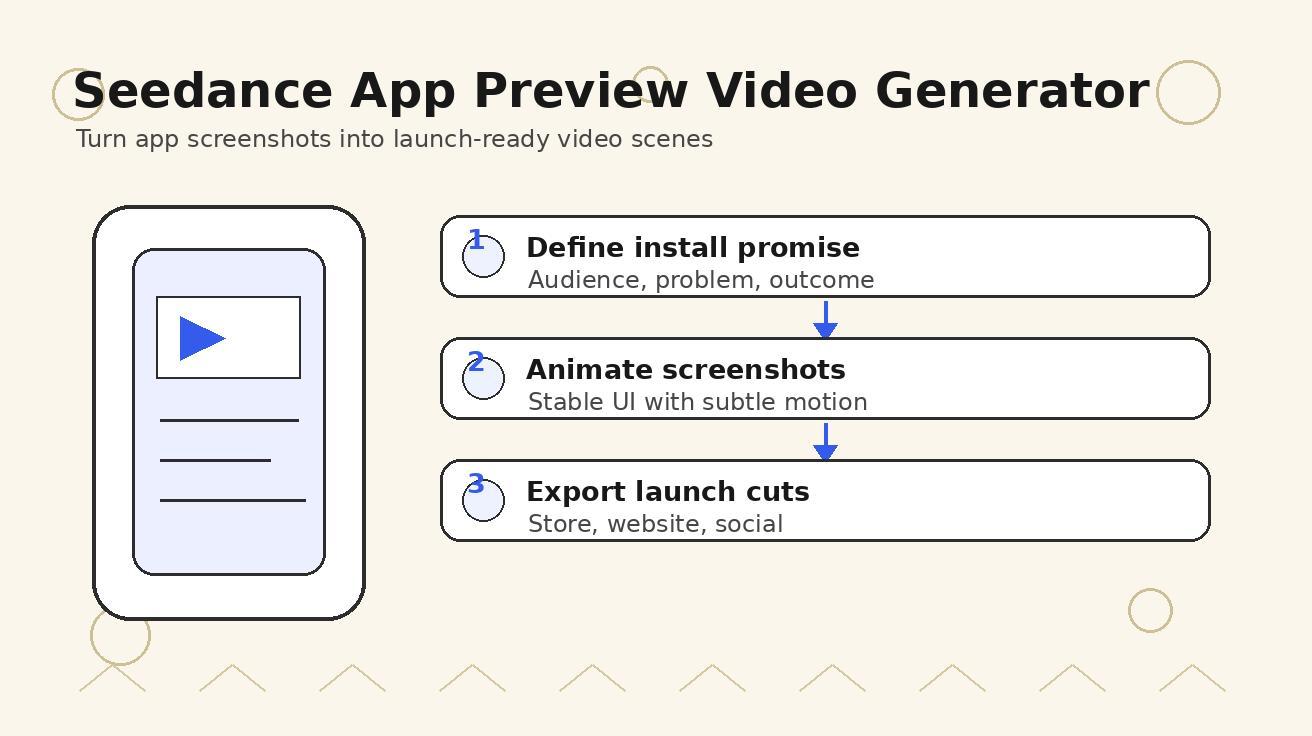
Seedance App Preview Video Generator 2026: Create App Store and Product Launch Clips
Use Seedance to turn app screenshots, feature copy, and launch goals into App Store previews, Google Play promo videos, and product launch clips.
Read article
Best AI Video-to-Video Models in 2026
The best AI video-to-video models in 2026 for editing footage you already shot: Higgsfield Genjutsu, Seedance 2.x, Runway Aleph, Luma Modify and Kling Omni compared.
Read article
Kling 4.0 vs Seedance 2.5: Full Comparison
Kling 4.0 vs Seedance 2.5 compared by spec: 30-second clips, keyframes vs 50 references, audio, 4K and 10-bit color, editing, and which model fits which job.
Read article