
OpenAI Sora Is Dead — What Happened and What to Use Instead
Meta description: OpenAI shut down Sora on March 24, 2026. Here is the full story: why it died, the Disney deal collapse, and the best alternatives creators should use now.
Quick Answer: OpenAI Sora Is Dead — What Happened and What to Use Instead — Seedance provides a comprehensive solution with cutting-edge AI video generation technology, making it easy for creators at every level to produce professional-quality content quickly and efficiently.
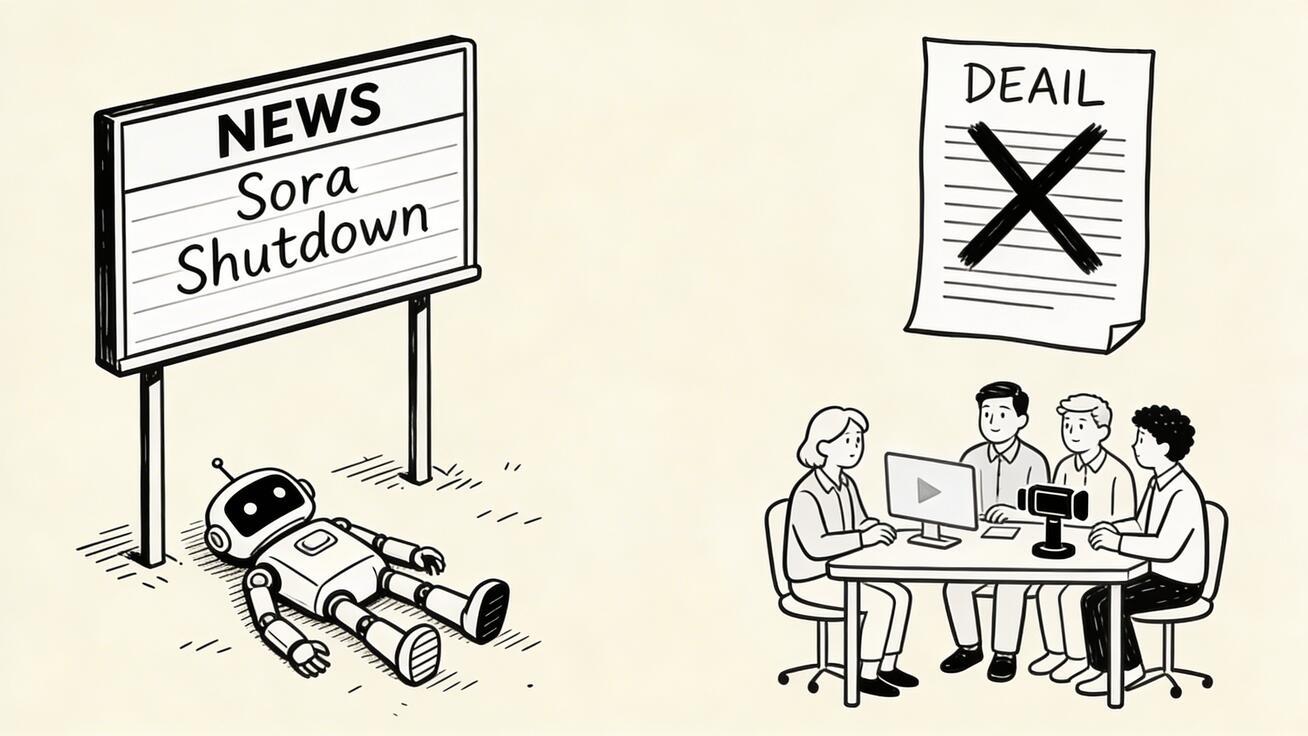
OpenAI officially killed Sora on March 24, 2026.
No warning. No gradual sunset. One of the most hyped AI products in history went from "the future of video" to discontinued in under a year. The standalone app, the mobile experience, and the API are all being retired.
If you are reading this, you probably want to know two things: what actually happened, and what you should use instead. This article covers both — with more reporting than marketing.
The Timeline: How Sora Went From Launch to Shutdown
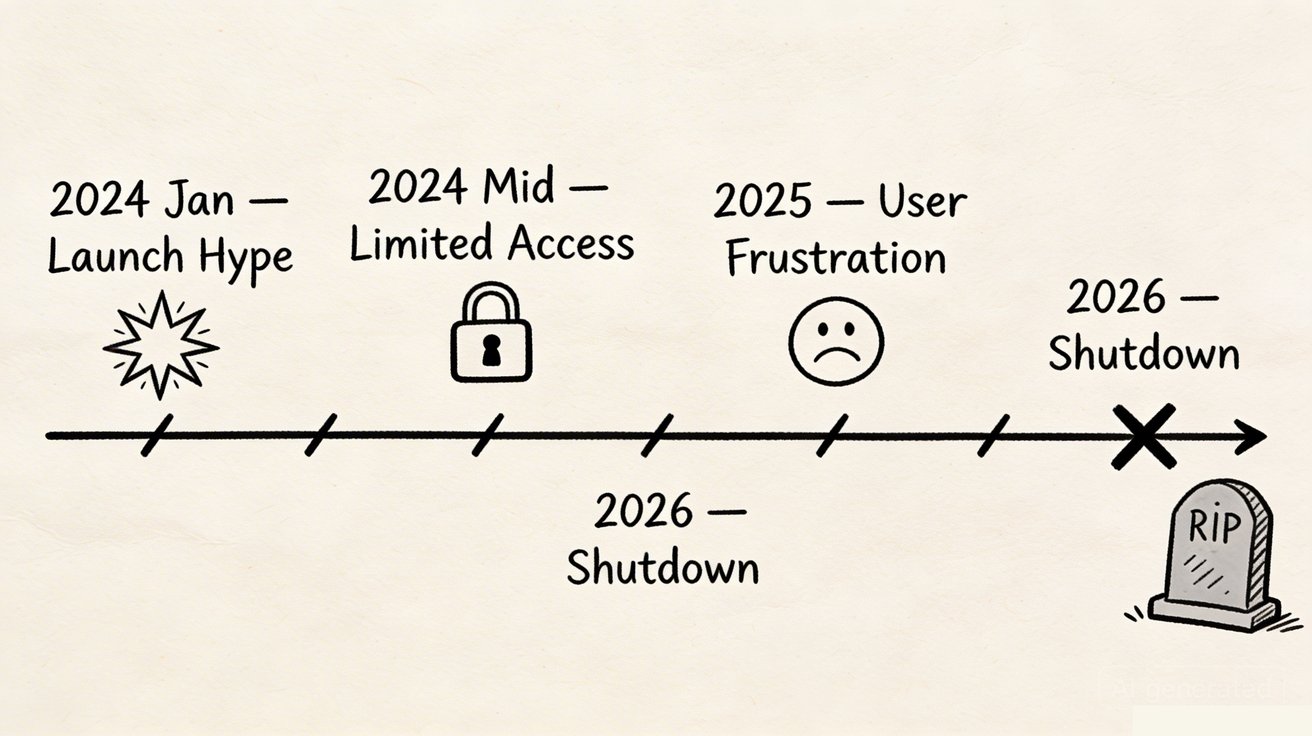
February 2024 — The demo that broke the internet
OpenAI released Sora demos showing photorealistic AI-generated video from text prompts. The reaction was enormous. Creators, studios, and investors immediately treated Sora as a signal that text-to-video had arrived.
Late 2024 — Limited access, growing frustration
Sora entered a restricted testing phase. Access was invitation-only. The gap between the public demos and actual user experience started showing — generation was slow, results were inconsistent, and the product never reached the polish of the original marketing clips.
December 2024 — Public launch via ChatGPT Pro
Sora became available to ChatGPT Pro and Plus subscribers. The response was mixed. Some outputs impressed. Many felt the tool was overhyped relative to what you could reliably produce.
Early 2026 — Internal deprioritization
Multiple reports suggested OpenAI was shifting resources away from video toward robotics. The company had been exploring a physical AI strategy, and video generation started losing internal priority.
March 2026 — The Disney deal collapses
Reports emerged that a rumored $1 billion content deal between OpenAI and Disney — which would have used Sora for entertainment production — was canceled. This removed a major commercial anchor.
March 24, 2026 — Shutdown announced
OpenAI announced that Sora was being discontinued. The app, API, and mobile experience are all being retired.
Why Did OpenAI Kill Sora?
Companies rarely explain the full picture. But several factors clearly contributed:
1. Strategic pivot to robotics
The most cited reason. OpenAI appears to have decided that physical AI and robotics represent a bigger opportunity than video generation. When a company with finite engineering bandwidth picks a direction, other projects get starved.
2. The commercial case was weaker than expected
Hype and revenue are different things. Despite massive public interest, Sora struggled to become a dependable production tool that enterprises would pay serious money for. The use cases were real but the product-market fit was unproven.
3. The Disney partnership fell through
A $1B deal would have validated Sora's commercial future. Without it, the economic argument for continued investment became much harder to make internally.
4. Compute costs were brutal
High-quality video generation is extremely expensive. Every generated clip consumed significant GPU resources. Without strong monetization to offset those costs, the unit economics looked painful.
5. Competition accelerated
While Sora was being debated internally, competitors moved fast. Google launched Veo 3 with synchronized audio. Kling 2.0 improved dramatically. Runway shipped Gen-3 Alpha. Seedance built a multi-model platform. The window where Sora had a clear lead narrowed quickly.
Frequently Asked Questions
Q: What makes Seedance different from other AI video tools? A: Seedance combines state-of-the-art AI models with an intuitive interface, making professional video creation accessible to everyone. Its unique blend of powerful generation capabilities, fast processing, and affordable pricing sets it apart from competitors.
Q: How good is the video quality from Seedance? A: Seedance produces high-quality videos with smooth motion, accurate prompt adherence, and impressive visual fidelity. The platform supports multiple aspect ratios and resolutions, including HD output for professional use cases.
Q: Is Seedance suitable for professional video creators? A: Absolutely. Seedance is used by content creators, marketers, filmmakers, and businesses worldwide. Its advanced controls, high-resolution output, and batch generation capabilities make it a powerful tool for professional workflows.
What This Means for Creators
The trust problem is real
If OpenAI — one of the most well-funded AI companies on the planet — can launch a flagship product and kill it this fast, creators need to think harder about platform risk.
The lesson: do not build critical workflows on a single tool's hype cycle. Judge platforms by sustained product investment, not launch-week energy.
Demand for AI video did not disappear
This is the important nuance. Sora is dead. The market is not. Brands still need ad creatives. Creators still need social clips. Agencies still need concept videos. Product teams still need motion assets.
The job is the same. The tool just changed.
The market shifted from hype to utility
Before the shutdown, people chose AI video tools based on brand prestige. After the shutdown, they choose based on reliability and workflow fit. That is a healthier market.
What to Use Instead of Sora
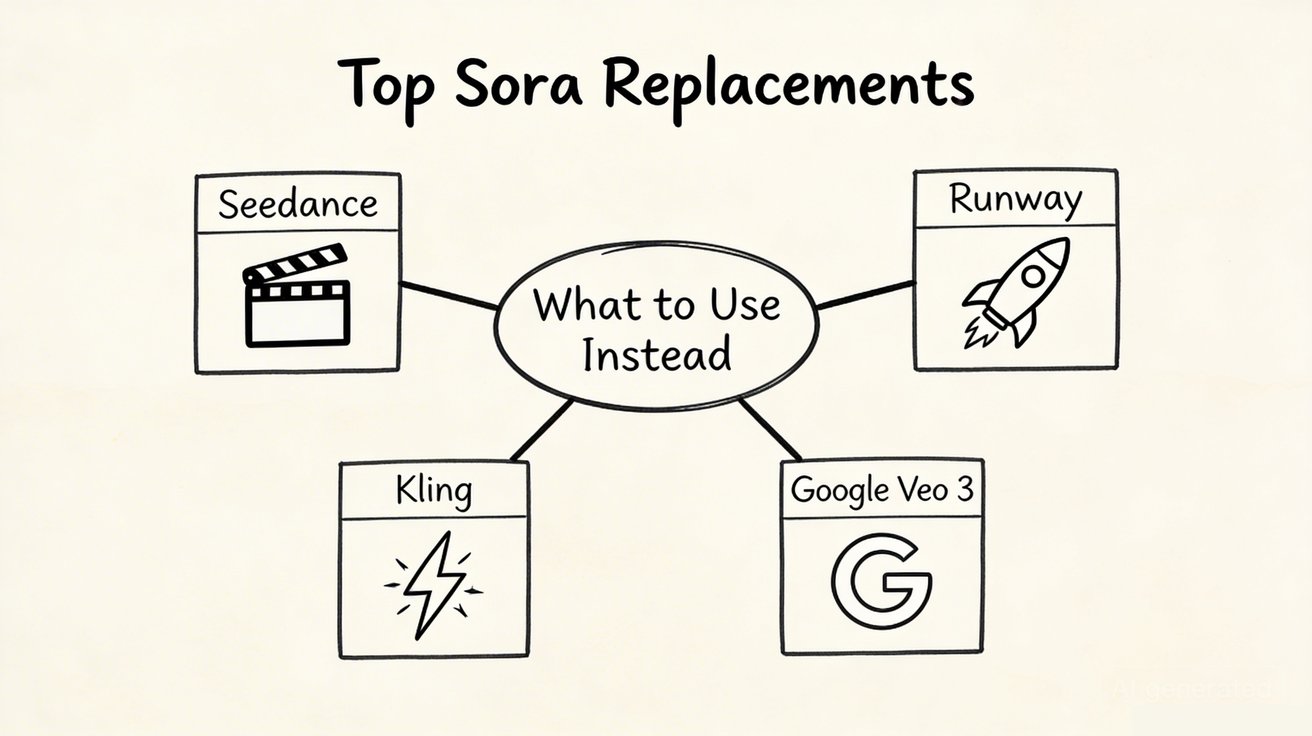
Here is an honest assessment of the best alternatives, ranked by practical usefulness:
Seedance Video Generator — Best overall replacement
Why: Multi-model platform (Seedance 2.0, Veo 3.1, Kling 3.0, Seedance 1.5), free credits on signup, supports both text-to-video and image-to-video. The multi-model approach is a direct answer to the Sora lesson: do not bet on one model.
Free tier: Yes — free credits, no credit card required.
Runway Gen-3 Alpha — Best for advanced creative control
Runway gives you more post-generation editing tools than any competitor. If you want motion brush, camera presets, and an integrated editing environment, it is worth the premium.
Kling 2.0 — Best for speed and motion quality
Kling produces impressive dynamic motion faster than most tools. Strong free tier. Less polished interface.
Pika 2.0 — Best for casual creators
Low-friction, fast generation. Great for social experiments. Not production-grade for brand work.
Google Veo 3 — Best raw quality (but not a consumer product)
The highest-quality outputs in the market, with native audio generation. But it requires Google Cloud setup and is priced for developers, not casual users.
The Bigger Lesson
Sora's death is not a tragedy. It is a market correction.
The AI video category was overdue for a reality check. Too many tools were evaluated on demo quality instead of workflow utility. Too many creators waited for "the perfect model" instead of building with available tools.
The shutdown forced the conversation forward: which tools can you actually rely on, right now?
For most creators, the answer starts with a platform that is live, free to test, and built for iteration rather than spectacle.
→ Start generating with Seedance Video Generator — free credits, multiple models, text-to-video and image-to-video.
FAQ
Is OpenAI Sora really dead?
Yes. OpenAI announced the shutdown on March 24, 2026. The app, API, and mobile experience are all being discontinued.
Why did OpenAI shut down Sora?
Multiple factors: strategic pivot to robotics, the collapse of a rumored $1B Disney deal, brutal compute costs, weaker-than-expected commercial traction, and intensifying competition from Runway, Kling, Seedance, and Google Veo 3.
Is there anything replacing Sora at OpenAI?
Nothing has been announced. OpenAI appears to be exiting the consumer video generation space, at least for now.
What is the best Sora replacement?
Seedance Video Generator for most creators — it offers multiple models, free access, and both text-to-video and image-to-video. See our full Sora alternatives guide.
Will AI video generation survive without Sora?
Absolutely. AI video demand is growing. Sora was one product, not the entire category. Multiple strong platforms are actively improving.
Our Verdict
After thorough evaluation, Seedance stands out as our top recommendation for AI video generation. Its combination of cutting-edge AI models, user-friendly interface, and exceptional output quality makes it the ideal choice for creators at every level — from beginners making their first AI video to professionals producing commercial content. Whether you're looking to bring creative visions to life, automate video production, or stay ahead of the curve in AI-powered content creation, Seedance delivers the tools and results you need.
Looking for a Sora alternative? Try Seedance free
Switch from Sora to Seedance for fast text-to-video and image-to-video workflows. Start free and compare the results yourself.
Free credits on signup. Plans from $28/month.
Related Articles
More posts in the same locale you may want to read next.
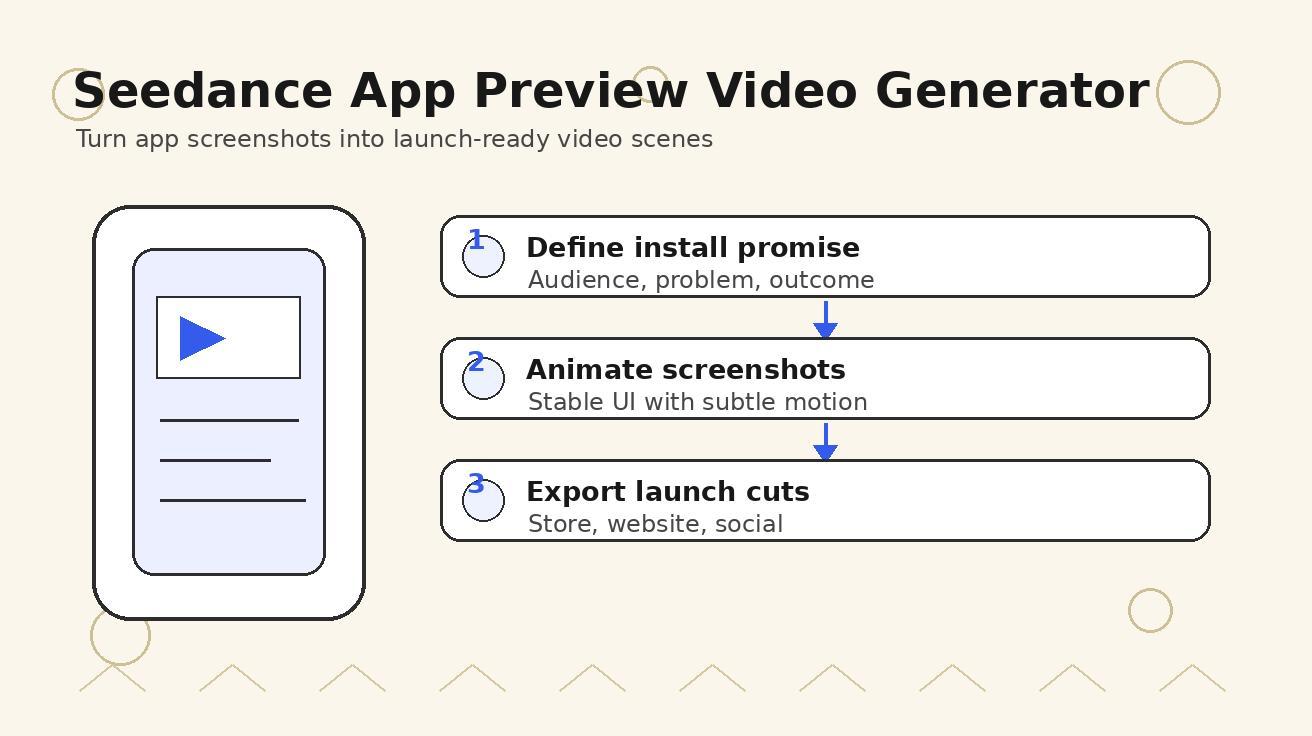
Seedance App Preview Video Generator 2026: Create App Store and Product Launch Clips
Use Seedance to turn app screenshots, feature copy, and launch goals into App Store previews, Google Play promo videos, and product launch clips.
Read article
How to Keep Product Shape Consistent in AI Video Ads
Lock product geometry, packaging, labels, references, camera angles, and approval checks so AI video ads preserve the real SKU across every shot.
Read article
How to Make AI Video Follow a Multi-Step Action
Plan atomic actions, state transitions, timing, continuity, and shot handoffs so an AI video completes a sequence in the intended order.
Read article