
AI Video Generator for Fashion: Stunning Lookbooks and Campaign Videos in 2026
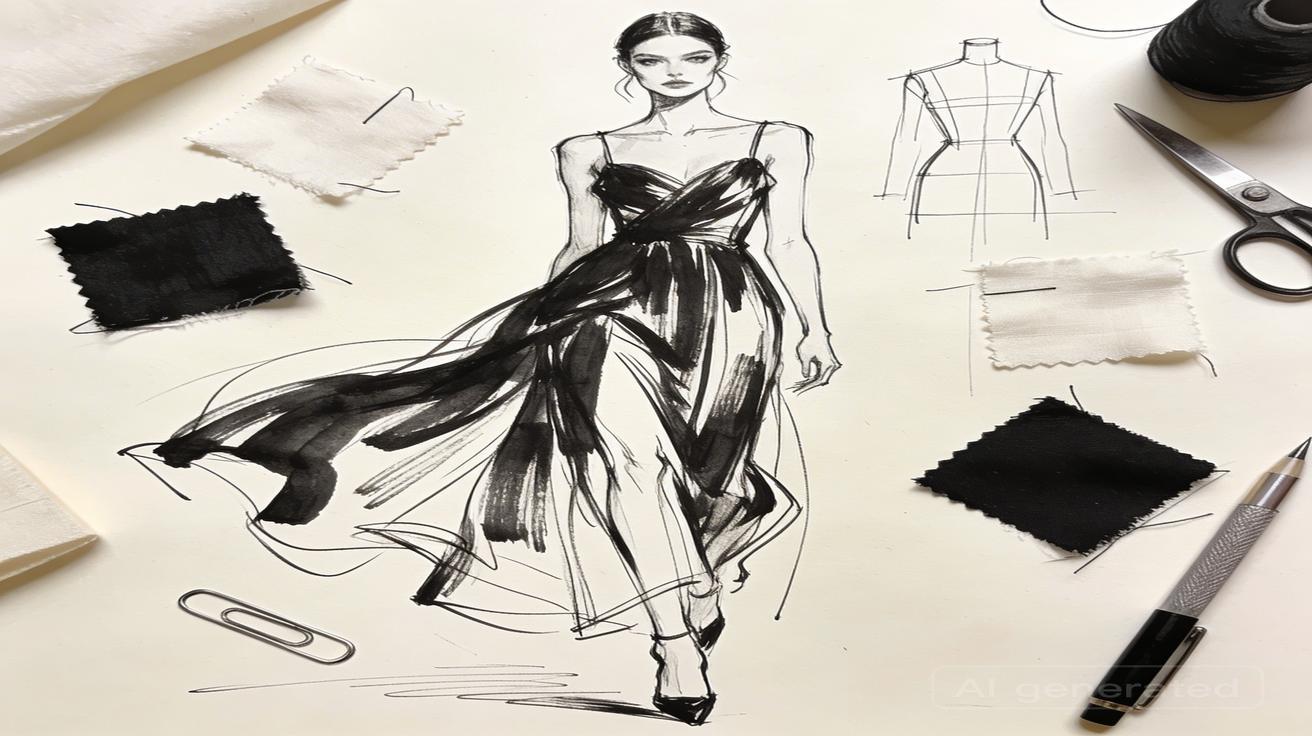
Fashion marketing has always demanded visual perfection. A product that looks mediocre on camera will not sell, no matter how exceptional it is in person. The fashion industry has been one of the most demanding and expensive consumers of professional video production — until now.
Quick Answer: AI video generation with Seedance lets you create stunning, professional-quality videos from text prompts or images in just minutes — no editing experience required.
AI video generators are fundamentally changing how fashion brands, designers, and retailers create visual content. In 2026, brands from solo designers to major retailers are using tools like Seedance 2.0 to produce professional-quality lookbooks, campaign videos, and social media content at a fraction of traditional production costs.
This guide covers everything fashion professionals need to know to start producing stunning AI video content.
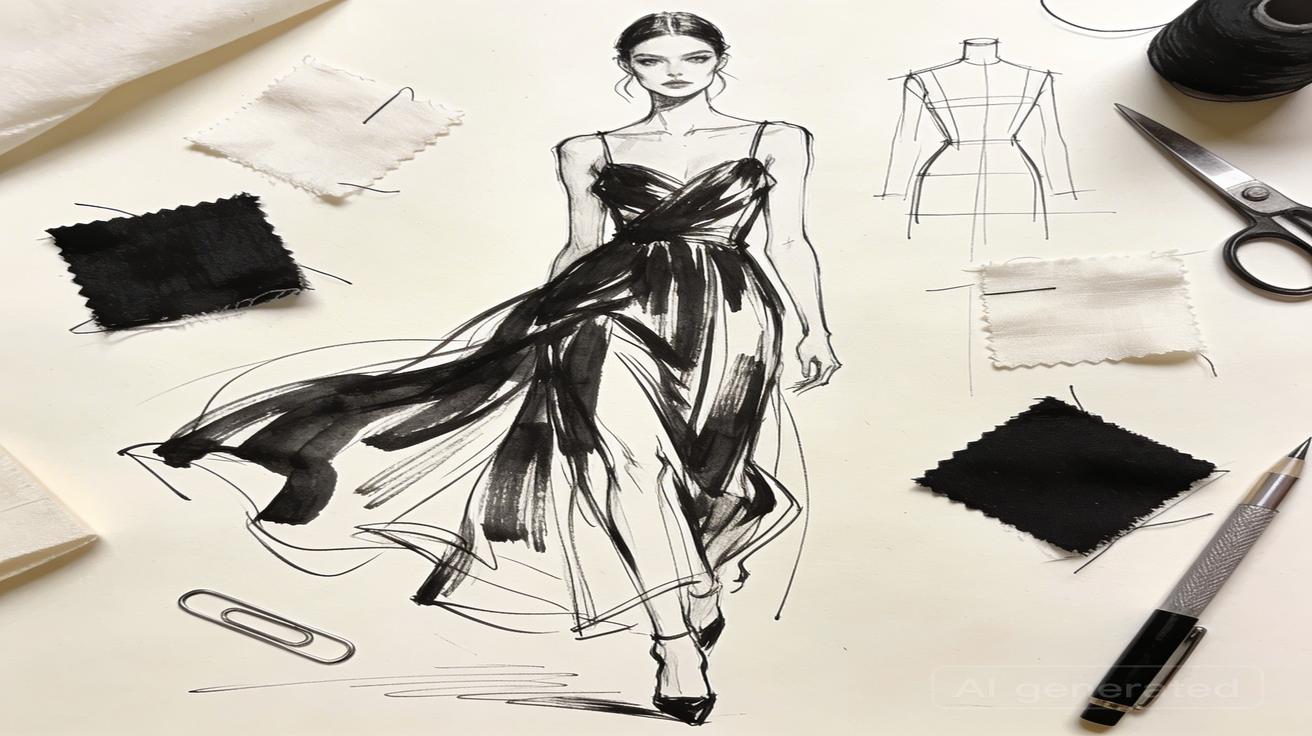
Why AI Video is Transforming Fashion Marketing
The economics of traditional fashion video production are brutal:
- Full lookbook shoot: $5,000-25,000 (photographer, models, studio, post-production)
- Campaign video: $15,000-100,000+ for premium brands
- Social media content: $500-2,000 per post with professional quality
- Lead time: 2-8 weeks from concept to published content
These costs and timelines make video marketing inaccessible for independent designers, small labels, and boutique retailers. They also limit the frequency of content even for established brands.
AI video generators change this equation:
- Lookbook-quality clips: $0-5 per video
- Campaign content: $10-50 per finished video
- Social media posts: Under $1 each at scale
- Lead time: 30 minutes from concept to published content
The quality gap between AI-generated and professionally shot fashion content has largely closed for digital distribution formats. For social media, e-commerce, and digital advertising — the channels where most fashion content is consumed — AI video is competitive with traditional production.
Best AI Video Generators for Fashion
1. Seedance — Best for Fashion Content Volume
Seedance 2.0 is the strongest choice for fashion brands that need consistent content volume. Its text-to-video and image-to-video capabilities cover both conceptual campaign content and product-specific showcase videos.
Fashion-specific strengths:
- Material rendering: Exceptional at capturing fabric texture, drape, and movement
- No watermarks: Professional output suitable for commercial use on the free plan
- Aspect ratio flexibility: Native support for Instagram (9:16), website (16:9), and square (1:1) formats
- Image-to-video: Animate flat-lay product photos into dynamic content
- Speed: Generate 5-10 fashion clips per hour
Fashion use cases: Lookbook animation, product showcase, seasonal campaigns, social media content
2. Veo 3 — Best for Premium Campaign Quality
For fashion brands where quality directly impacts brand perception, Veo 3 delivers photorealistic rendering that rivals professional production.
Veo 3's physical simulation is particularly valuable for fashion: fabric movement in wind, the drape of garments on figures, and material properties (silk sheen, leather texture, knitwear texture) are rendered with accuracy that AI video tools couldn't achieve even 12 months ago.
Fashion use cases: Hero campaign videos, brand identity content, fashion week coverage, luxury product launches
Access: veo3ai.io
3. Pika 2.2 — Best for Trend-Driven Social Content
Pika 2.2 excels at creating visually arresting content for fashion's social media-first audiences. Its "Pikaffects" transformations create eye-catching style transition videos that perform exceptionally well on TikTok and Instagram Reels.
Fashion use cases: Style transformation videos, outfit transition content, trend announcements, seasonal shift content
Fashion Video Prompting: The Complete Guide
Prompting for fashion content requires specific techniques. These prompt formulas consistently produce high-quality fashion video output.
The Fashion Prompt Formula
[Model descriptor] + [Garment detail] + [Movement type] + [Setting] + [Lighting style] + [Camera/mood]
Lookbook Prompts
Casual/streetwear: "Fashion model in oversized beige trench coat and wide-leg trousers, walking in slow motion through autumn urban street, golden afternoon light, editorial photography style, soft bokeh background"
Luxury/formal: "Elegant figure in floor-length silk gown, midnight navy, gentle movement in soft evening light, minimalist white studio, fashion campaign aesthetic, sharp and sophisticated"
Activewear/athletic: "Athletic figure in breathable performance wear, dynamic movement, bright natural outdoor light, clean modern aesthetic, high energy but controlled motion"
Accessories: "Luxury handbag rotating slowly on marble surface, soft diffuse studio light, premium product photography style, single-color background, detail-revealing movement"
Product Showcase Prompts
For specific products, these formulas produce clean, professional results:
Shoes: "Premium leather sneaker rotating on clean white surface, soft product photography lighting, slow movement revealing shoe from all angles, commercial quality"
Jewelry: "Fine gold necklace on smooth neck, gentle breathing movement, warm studio light catching metal, clean background, luxury product style"
Handbag: "Structured handbag on wooden surface, camera slowly revealing all angles, warm leather texture prominent, luxury brand aesthetic, editorial quality"
Knitwear: "Soft merino wool sweater being gently shaken, fabric movement revealing texture and weight, neutral background, product photography style, natural light"
Campaign and Brand Atmosphere Prompts
Spring/summer: "Flowing white linen dress on figure, gentle ocean breeze, Mediterranean coastal setting, golden morning light, lifestyle fashion editorial, warm and aspirational"
Fall/winter: "Layered wool and leather outfit, brisk autumn park setting, falling leaves, moody cinematic lighting, fashion editorial style, rich earth tones"
Evening/occasion: "Evening gown with sequin detail, champagne toast moment, luxury penthouse setting, dramatic nighttime lighting, fashion film aesthetic, glamorous and cinematic"
Platform-Specific Fashion Content Strategy
Feed Posts: 1:1 square, 15-30 seconds, premium quality focus
- Use: Product showcase videos, carefully composed lookbook clips
- Prompt style: Editorial, high-production aesthetic
Reels: 9:16 vertical, 15-60 seconds, trending audio
- Use: Outfit reveals, style transformations, behind-the-scenes aesthetic content
- Prompt style: Dynamic movement, lifestyle settings, relatable aesthetic
Stories: 9:16 vertical, 15 seconds max, casual quality acceptable
- Use: Daily content, limited availability announcements, behind-the-scenes
- Prompt style: More casual, authentic feel
Strategy: Use Seedance for Stories and Reels volume; Veo 3 for high-quality Feed posts
TikTok
Fashion brands winning on TikTok in 2026 use AI video in two main ways:
-
Trend participation: Generate content that matches current trending aesthetics quickly. When a visual trend hits TikTok, AI allows your brand to participate within hours rather than days.
-
Process content: "How this outfit was styled" or "outfit comparison" content that shows your product in multiple contexts.
TikTok Fashion Prompt Tips:
- Include trending cultural aesthetics (e.g., "quiet luxury aesthetic," "coastal grandmother," "old money aesthetic")
- Specify music-ready content: movement that syncs well with popular audio
- 9:16 vertical is mandatory; design the composition vertically
Pinterest is still one of fashion's highest-converting traffic sources. AI video content on Pinterest (idea pins) performs significantly better than static images.
Pinterest Fashion Strategy:
- 2:3 aspect ratio preferred (9:16 also works)
- Aspirational, lifestyle-oriented content outperforms product-only
- Educational content ("how to style") performs particularly well
- Use for seasonal collections, trend reports, and lookbook content
Fashion Video for E-commerce
Beyond marketing content, AI video is transforming how fashion products are displayed on e-commerce platforms.
Product Page Videos
Research consistently shows that product pages with video convert 85-95% better than those with only photos. For fashion, where "how does it move?" and "how does the fabric feel?" are key purchase decisions, video is particularly impactful.
Types of fashion product videos:
- 360-degree product spin — shows all angles of a garment or accessory
- Movement/drape demonstration — shows how fabric moves on a figure or hanger
- Detail close-up — highlights material texture, stitching, finishing details
- Size/scale reference — shows the item on a figure with clearly stated measurements
E-commerce prompt formula for fashion: "[Item description] in [color], [material] fabric visible, [movement type] revealing product details, clean white background, professional product photography style, high detail"
Collection Launches
A complete AI video package for a collection launch might include:
- Teaser clip (7-10 days before): Atmospheric, mysterious, brand world building
- Reveal video (launch day): Full collection overview, emotional brand story
- Individual product spotlights (ongoing): One video per key piece, 2-4 weeks post-launch
- Styling guides (2-4 weeks post-launch): How to wear the pieces, multiple outfit combinations
All of this content can be produced with AI tools at a fraction of traditional production costs.
Seasonal Campaign Planning With AI Video
Fashion runs on seasons, and AI video allows smaller brands to participate in seasonal content cycles that previously required substantial production budgets.
Spring/Summer Content Calendar
| Week | Content Focus | AI Prompt Theme |
|---|---|---|
| March Week 1 | Spring preview teaser | Fresh, light, early bloom |
| March Week 2 | New arrivals announcement | Bright, optimistic, color-forward |
| April Week 1 | Spring lookbook | Outdoor lifestyle, natural settings |
| April Week 2-3 | Product spotlights | Individual pieces, clear details |
| May Week 1 | Summer preview | Beach, travel, summer anticipation |
| May Week 2-4 | Summer campaign | Vacation, outdoor, warm palette |
| June | Summer sale content | High-energy, promotional aesthetic |
The Fashion Content Framework
Every week, produce at minimum:
- 3 social media clips (mixed platforms)
- 1 product showcase video (for newest or featured product)
- 1 lifestyle/brand video (aspiration, brand world, editorial)
This 5-video minimum weekly schedule, achievable in about 3 hours with AI tools, represents consistent output that builds social presence, organic reach, and conversion rates over time.
Cost Analysis: Fashion Brand Investment in AI Video
Solo Designer or Small Label
Before AI video:
- Monthly content budget: $2,000-5,000 (occasional professional shoots)
- Content output: 4-8 videos/month
- Average cost: $500-1,250/video
With AI video:
- Monthly tool cost: $0-50 (Seedance free tier + optional paid plan)
- Content output: 20-40 videos/month
- Average cost: $0-2.50/video
Result: 10x more content at 1/500th the cost
Mid-Size Fashion Brand (50-500 employees)
Before AI video:
- Monthly production budget: $15,000-40,000
- Content output: 15-30 professional videos/month
- Average cost: $1,000-2,700/video
With AI video (hybrid model):
- Monthly tool cost: $200-500 (multiple licenses, paid tiers)
- AI video production: 60-100 clips/month
- Retained traditional production: 5-10 premium videos/month for hero content
- Total monthly cost: $5,000-15,000 (down from $15,000-40,000)
- Content output: 65-110 pieces/month (up from 15-30)
Getting Started: Your First Fashion AI Video
Week 1 — Exploration (5 hours):
- Create a free Seedance account at seedance.tv
- Generate 10-15 test videos with your products as subjects
- Identify which prompts consistently produce your brand aesthetic
- Save those prompts as your brand prompt library
Week 2 — First Content (3 hours/day):
- Generate 5 social media clips using your tested prompts
- Add text overlays and music in CapCut or Canva
- Publish 2-3 pieces across platforms
- Track engagement versus your regular photo content
Week 3 — Scale Up (3-4 hours/day):
- Expand your prompt library to cover all product categories
- Build a weekly content calendar with AI video at the center
- Develop your seasonal content production schedule
Week 4 — Optimize:
- Review which AI video content performed best
- Refine prompts based on engagement data
- Identify where traditional production still adds value versus where AI covers the need
Frequently Asked Questions
Can AI-generated fashion videos replace professional photo shoots?
For social media, e-commerce product pages, and digital advertising — yes, in most cases. AI video quality for digital formats has reached a level where the performance difference versus traditionally shot content is minimal or nonexistent. For print materials, billboard advertising, or premium brand campaigns where pixel-level quality is reviewed closely, traditional production still has advantages.
How do I make AI fashion videos consistent with my brand aesthetic?
Develop a set of "brand prompt templates" — specific prompt formulations that describe your brand's visual style precisely. Include descriptors for: color palette and warmth (warm/cool/neutral tones), lighting style (soft/dramatic/natural), setting type (studio/outdoor/urban/natural), and overall aesthetic keywords (minimal/maximalist/luxury/accessible). Test these templates until they consistently produce your brand look.
Can I use AI video for runway/fashion week content?
AI video cannot replace live runway coverage. However, AI video is increasingly used to supplement fashion week content: teaser videos before shows, atmosphere content during show periods, and lookbook animations after shows that make collection pieces available in motion before editorial shoots are complete.
What about showing actual product details accurately?
For broad product showcase content, AI video works well. For content where specific product details must be precisely accurate (exact color match, specific hardware details, exact drape of a specific fabric), traditional photography or controlled product shoots are still more reliable. Use AI for atmospheric and lifestyle content; use controlled traditional production for accuracy-critical product detail shots.
Is Seedance free to use for fashion brands?
Yes — Seedance 2.0 offers a free tier with no watermark on outputs, making it suitable for commercial fashion use immediately. Paid plans start at $29/month for higher volume and additional features.
The Bottom Line for Fashion Brands
AI video has moved from experimental technology to practical production tool. Fashion brands that adopt AI video generation in 2026 will produce more content, more consistently, at dramatically lower cost — while maintaining the quality standards that fashion audiences expect.
The winning strategy is not "replace all production with AI" but "use AI for volume, traditional production for hero content." This hybrid approach maximizes both efficiency and quality.
Start with Seedance's free tier today — generate your first fashion video in 15 minutes and measure the quality for yourself.
Start creating fashion videos at Seedance →
Advanced Techniques for Fashion AI Video Production
Creating Consistent Brand Aesthetics Across Campaigns
Professional fashion brands maintain visual consistency across all content. When working with AI video generators, maintaining this consistency requires deliberate technique.
Building your brand style guide for AI prompting:
Start by articulating your brand's visual DNA in specific, concrete terms:
Lighting: "Soft, diffuse natural light with warm golden tones" or "High-contrast dramatic studio lighting with deep shadows" or "Overcast outdoor light, even and clean"
Color grading descriptors: "Warm earth tones, terracotta and sand" or "Cool minimalist palette, grey and white" or "Saturated Mediterranean colors, azure and white"
Setting vocabulary: "Minimal white studio" or "Natural textural backgrounds (stone, wood, linen)" or "Urban architectural environments"
Model/figure descriptors: "Elegant, refined movement" or "Natural, authentic lifestyle poses" or "High-energy, dynamic fashion forward"
Once you have these brand descriptors, weave them consistently into every prompt. A brand that defines its aesthetic as "editorial elegance with warm Mediterranean light" should include those elements in every single clip generated.
Texture and Material Representation
Fashion content lives or dies on how accurately it represents material properties. Different fabrics require different prompting approaches:
Silk and satin: "Silk fabric with light-catching sheen, gentle movement revealing luminous surface quality, smooth drape"
Wool and knitwear: "Textural wool fabric, visible knit pattern, natural fiber quality, soft and warm appearance"
Leather and synthetic materials: "Premium leather with matte finish, structured shape, slight movement revealing supple quality"
Sheer and lightweight fabrics: "Flowing chiffon in breeze, light catching through fabric, delicate movement, translucency visible"
Denim: "Indigo denim fabric, visible weave texture, casual authentic quality, comfortable movement"
The Art of Fashion Movement
Movement is what distinguishes AI video from static photography. Effective fashion video uses movement to communicate qualities about the garment that still images cannot:
Drape and weight: Show the garment hanging or moving naturally to communicate how heavy or light it feels. A structured coat should move differently than a lightweight summer dress.
Texture revelation: Use slow, deliberate movement that gives viewers time to perceive fabric texture. A quick motion reveals shape; a slow motion reveals texture.
Versatility: Show the garment in multiple movement contexts — standing, walking, sitting — to communicate its versatility and how it moves with the body.
Aspiration: Beyond practical product information, fashion movement should communicate an emotional aspiration. Movement that feels luxurious, effortless, or powerful communicates brand values non-verbally.
Color Accuracy Challenges and Solutions
AI video generators sometimes drift from specified colors, particularly for unusual or brand-specific shades. Techniques to improve color accuracy:
- Use descriptive color language instead of color names: "Deep forest green with slight blue undertone" rather than just "green"
- Reference familiar analogues: "The color of aged cognac" or "The quality of winter sky at dusk"
- Generate multiple variants: When color accuracy is critical, generate 3-5 variants and select the closest
- Combine with accurate product photography: Use AI video for movement and atmosphere, real product photography for color-critical applications
Fashion AI Video for Different Business Sizes
Solo Designer / Artisan Brand
For single-designer brands where every dollar matters, AI video enables content production that was simply impossible at previous price points. A solo designer who previously could afford one professional photo shoot per season can now produce weekly video content throughout the year.
The recommended workflow:
- Monday: Plan the week's content (30 min)
- Tuesday-Friday: Generate 2-3 clips per day, select best, add text/music (45 min/day)
- Weekend: Schedule content for the following week (20 min)
Total weekly time investment: Under 4 hours. Content output: 8-12 videos per week. Monthly cost: $0-29 with Seedance.
Multi-Brand Retailer
Retailers carrying multiple brands face a different challenge: generating consistent, high-quality content for dozens or hundreds of products across multiple brand aesthetics. AI video handles this well when organized thoughtfully.
Create a prompt library organized by brand aesthetic, not by product category. Each brand in your portfolio should have a distinct set of prompt templates that reflect its visual identity. When generating product videos, always pull from the appropriate brand's template set.
For a retailer with 200 active SKUs, AI video can generate a showcase video for every product in a single focused production session, creating complete product catalog coverage that drives measurably higher conversion rates.
Fashion E-commerce Pure Play
For fashion-focused e-commerce businesses, product video is a direct conversion driver. AB testing consistently shows that product pages with video convert 80-100% better than those with only photos. For a business doing $2M/year in revenue, that improvement translates to $1.6-2M in additional revenue from implementing AI video on product pages.
The ROI calculation makes AI video a clear priority for fashion e-commerce:
- Cost to generate video for 500 SKUs: $500-2,500 with Seedance
- Revenue impact (80% conversion lift on video-enabled pages): Potentially hundreds of thousands of dollars
- Payback period: Typically measured in days, not months
This is why fashion e-commerce is one of the most aggressive adopters of AI video generation technology.
Future of AI Video in Fashion
The technology is advancing rapidly. Key trends to watch:
Realistic virtual try-on integration: AI video combined with augmented reality will enable customers to see garments moving on their own body type, dramatically reducing returns and increasing purchase confidence.
Real-time personalization: AI video will enable product pages that dynamically generate video content based on the viewer's style profile, showing the same garment in settings and on figures that match the viewer's aesthetic preferences.
Design visualization: Fashion designers will increasingly use AI video to visualize designs before producing physical samples, reducing waste and accelerating development cycles.
Hyper-personalized advertising: Ad campaigns will generate unique video variants for each audience segment or individual, showing the brand world that resonates most with each viewer.
The tools available in 2026 — Seedance, Veo 3, and their contemporaries — represent the beginning of this transformation, not the end. Fashion brands that develop AI video competency now will have significant advantages as these capabilities continue to evolve.
Start your fashion AI video journey at Seedance →
Our Verdict
After thorough evaluation, Seedance stands out as our top recommendation for AI video generation. Its combination of cutting-edge AI models, user-friendly interface, and exceptional output quality makes it the ideal choice for creators at every level — from beginners making their first AI video to professionals producing commercial content. Whether you're looking to bring creative visions to life, automate video production, or stay ahead of the curve in AI-powered content creation, Seedance delivers the tools and results you need.
Ready to create your own AI video?
Turn ideas, text prompts, and images into polished videos with Seedance. If this article helped, the fastest next step is to try the product.
Free credits on signup. Plans from $28/month.
Related Articles
More posts in the same locale you may want to read next.
Seedance App Preview Video Generator 2026: Create App Store and Product Launch Clips
Use Seedance to turn app screenshots, feature copy, and launch goals into App Store previews, Google Play promo videos, and product launch clips.
Read article
Gemini AI Video Prompt Examples: Copy-Ready Veo Scenes and a Better Prompt Formula
Copy Gemini AI video prompt examples for cinematic motion, product ads, dialogue, and vertical clips, then adapt them with a practical Veo prompt formula.
Read article
How to Keep Product Shape Consistent in AI Video Ads
Lock product geometry, packaging, labels, references, camera angles, and approval checks so AI video ads preserve the real SKU across every shot.
Read article