
10 Actionable Social Media Engagement Strategies for 2025
In a content-saturated digital landscape, the old playbook of simply posting and hoping for the best is obsolete. Broadcasting messages into the void no longer yields results. Meaningful connection and tangible business outcomes demand a more deliberate and sophisticated approach. This is where a focus on robust social media engagement strategies becomes not just beneficial, but essential for survival and growth. Achieving high engagement isn't about vanity metrics; it's about building a loyal community, fostering brand advocacy, and driving conversions.
Quick Answer: Social Media Engagement Strategies — Seedance provides a comprehensive solution with cutting-edge AI video generation technology, making it easy for creators at every level to produce professional-quality content quickly and efficiently.
This article moves beyond generic advice like "post consistently" or "know your audience". Instead, we will provide a comprehensive roundup of ten battle-tested strategies that deliver measurable results. You will learn the specific, actionable tactics required to transform your social media presence from a passive monologue into a dynamic, two-way conversation. We will dissect each strategy, offering practical, real-world examples you can implement immediately.
From orchestrating powerful user-generated content (UGC) campaigns and leveraging interactive polls to fostering authentic communities and utilising the narrative power of multi-shot video storytelling, this guide is your blueprint. You will discover not just what works, but precisely how to implement these techniques. Prepare to learn the methods that build genuine relationships, capture attention in crowded feeds, and turn passive followers into active, engaged brand advocates.
1. User-Generated Content (UGC) Campaigns
One of the most powerful social media engagement strategies involves shifting the spotlight from your brand to your audience. User-Generated Content (UGC) campaigns invite customers to create and share content featuring your products, services, or brand ethos. This approach transforms passive followers into active co-creators, fostering a vibrant community and generating a wealth of authentic marketing assets that resonate far more deeply than polished corporate content.

This strategy excels because it’s built on social proof. When potential customers see real people enjoying a product, it builds trust and credibility. For example, GoPro’s #GoProAwards encourages adventurers to submit their best shots, while Starbucks’ seasonal #RedCupContest turns a simple coffee cup into a canvas for customer creativity. A practical example is Aerie’s #AerieREAL campaign, which encourages women to post unedited photos of themselves, creating a powerful message of body positivity that directly aligns with their brand values. To delve deeper into the power of community contributions, discover how to leverage User-Generated Content (UGC) to build trust and increase engagement, a critical aspect of modern social media strategy.
How to Implement a UGC Campaign
To launch a successful UGC campaign, you need a clear framework that makes participation easy and rewarding. Brands can even encourage users to submit photos that can be transformed into dynamic short-form videos; learn more about how to turn a single photo into an engaging video to maximise your content's impact.
Here are the essential steps:
- Create a Branded Hashtag: Develop a unique, memorable, and easy-to-spell hashtag. For example, if you are a local coffee shop called "The Daily Grind," you could use #MyDailyGrindMoment. Promote it across all your social channels, on your website, and in your email marketing.
- Offer Meaningful Incentives: Motivation is key. For a travel brand, the prize could be a weekend getaway. For a software company, it might be a free lifetime subscription. The prize should align with your brand’s value and be desirable to your target audience.
- Establish Clear Guidelines: Define what constitutes an eligible submission. For example: "Post a photo of you using our product in nature. The photo must be high-resolution and submitted by May 31st." Outline content themes, quality standards, and any rules to ensure brand safety and legal compliance.
- Promote and Feature Submissions: Regularly share the best UGC on your profiles. Actionable tip: create a weekly "Fan Friday" feature where you highlight the top submission. Always ask for permission before reposting and give proper credit to the original creator.
2. Interactive Polls and Surveys
A direct and highly effective way to boost interaction is by inviting your audience to share their opinions. Interactive polls and surveys transform passive scrolling into active participation by asking direct questions and providing easy, clickable ways to respond. This strategy leverages native platform features on Instagram, TikTok, LinkedIn, and X (formerly Twitter) to create a two-way dialogue, making your followers feel heard and valued.
This method is powerful because it taps into the human desire to express oneself and see how one's opinions stack up against others. For instance, Netflix frequently uses Instagram Stories polls like "Which character would you rather have as a roommate?" to engage fans. On a professional level, Adobe uses LinkedIn polls to ask designers about their preferred software tools, gathering valuable industry insights while fostering community discussion. This is one of the most straightforward social media engagement strategies because it provides instant gratification for the user and valuable data for the brand.
How to Implement Interactive Polls and Surveys
To get the most out of this tactic, your questions should be engaging, easy to understand, and strategically timed. The goal is to spark curiosity and encourage an immediate response.
Here are the essential steps:
- Ask Compelling Questions: Frame questions that genuinely pique your audience's interest. Instead of asking “Do you like our new product?”, try “Which feature are you most excited to try: A) The AI-powered editor or B) The one-click templates?”.
- Keep Options Clear and Simple: Limit the choices in your polls to ensure they are distinct and easy to select. For an Instagram Story poll, stick to two options. For a Twitter poll, you can use up to four. Ambiguous or overlapping options can confuse users and reduce participation.
- Share the Results Publicly: Close the loop by sharing the final poll results with your audience. An actionable tip: create a follow-up post or story graphic that says, "You voted, and the winner is... [Result]! Thanks for sharing your thoughts."
- Use Feedback to Inform Strategy: Treat the data you collect as valuable market research. If you run a poll asking followers what type of content they want to see next and "Behind-the-Scenes" wins, make that the theme of your next video series.
3. Influencer Collaborations and Partnerships
One of the most effective social media engagement strategies involves partnering with individuals who have already earned the trust and attention of your target audience. Influencer collaborations leverage the authority and reach of content creators to introduce your brand to new, highly engaged communities. This approach moves beyond traditional advertising by using a trusted voice to generate authentic conversations and build genuine brand credibility.
This strategy works because it taps into the power of third-party validation. When a respected creator recommends a product, their followers are more likely to listen than they would to a direct brand advertisement. A practical example is Audible partnering with YouTubers in the "booktube" community. The creators review audiobooks they genuinely enjoyed, integrating the Audible sponsorship seamlessly into their content. These collaborations don't just showcase a product; they integrate it into a lifestyle their audience aspires to. For practical inspiration and successful approaches, delve into these top influencer marketing campaign examples to spark your strategy.
How to Implement Influencer Collaborations
A successful influencer partnership requires careful planning, clear communication, and a focus on authentic alignment rather than just follower numbers.
Here are the essential steps:
- Identify the Right Partners: Look for influencers whose values, aesthetic, and audience demographics align perfectly with your brand. Actionable tip: Use platform search tools with keywords like "[your niche] creator" and check who your most engaged followers are also following.
- Establish Clear Goals and KPIs: Define what you want to achieve. For brand awareness, track impressions and reach. For sales, use unique discount codes or affiliate links for each influencer to measure their direct impact. Set clear Key Performance Indicators (KPIs) to measure success.
- Grant Creative Freedom: The most effective collaborations feel genuine. Provide a clear brief with key message points and "do's and don'ts," but allow the influencer creative freedom to present your product in their own unique voice. Their audience values their authenticity.
- Utilise Micro and Nano-Influencers: Don't overlook creators with smaller followings (1k-100k). For example, a local restaurant could partner with a city-based food blogger for a sponsored post, reaching a highly relevant and engaged local audience for a fraction of the cost of a macro-influencer.
- Ensure Legal Compliance: Always require influencers to disclose sponsored posts clearly, using hashtags like #ad or #sponsored, to comply with advertising standards (like FTC guidelines in the US) and maintain transparency with their audience.
4. Storytelling and Narrative-Driven Content
Beyond simple promotion, one of the most resonant social media engagement strategies is to weave compelling narratives that connect with your audience on an emotional level. Storytelling involves sharing your brand’s origin, customer success stories, or behind-the-scenes content to humanise your company. This approach builds a deeper, more meaningful connection that transcends the transactional, fostering loyalty and turning followers into genuine advocates.

This strategy works because humans are hardwired to respond to stories. A well-told narrative can make a brand more memorable and relatable. For instance, Patagonia’s content focuses on environmental activism rather than just products, creating a powerful narrative that attracts a community of like-minded individuals. A practical example is TOMS Shoes' origin story of "buy one, give one," which is consistently woven into their marketing to create a shared identity around social impact.
How to Implement Narrative-Driven Content
To effectively use storytelling, you must first identify your core brand narrative and then consistently communicate it across various formats and platforms. You can easily bring these stories to life using a capable social media video maker, which helps transform static posts into dynamic visual narratives.
Here are the essential steps:
- Identify Your Core Narrative: What is your brand's purpose? Define the central story and values you want to convey. Is it about innovation, community, sustainability, or something else entirely? Actionable tip: Try to summarise your brand story in a single sentence (e.g., "We started in a garage to make high-quality gear accessible to everyone").
- Focus on Authentic Stories: Move beyond scripted testimonials. Share genuine customer success stories, employee spotlights, or the challenges you overcame in building your business. For example, feature a short video interview with a long-time employee about their journey with the company.
- Create Story Arcs: Plan your content to build a narrative over multiple posts. For a product launch, you could create a 3-part Instagram series: 1) Tease the problem your product solves, 2) Reveal the product, 3) Show customer reactions. This keeps your audience invested.
- Use Multiple Formats: Tell your story through various mediums. Use video for emotional impact, carousels for step-by-step journeys, and blog posts for in-depth explorations. For example, a customer's success story could be a short TikTok video, an Instagram carousel with quotes, and a detailed case study on your blog.
5. Real-Time Engagement and Responsiveness
In today's fast-paced digital landscape, social media is a perpetual conversation, not a broadcast channel. Real-time engagement and responsiveness are crucial social media engagement strategies that involve actively listening and participating in these conversations as they happen. This means promptly replying to comments, addressing direct messages, acknowledging brand mentions, and even joining relevant trending discussions to demonstrate that your brand is present, accessible, and attentive.
This strategy works because it humanises your brand and builds strong, loyal relationships. When followers see you responding quickly and thoughtfully, it fosters trust and makes them feel valued. For instance, Wendy's has become legendary for its witty and rapid-fire Twitter comebacks. A more service-oriented example is airline JetBlue's Twitter team, which actively responds to customer travel queries and complaints in real-time, often solving problems publicly and demonstrating excellent customer care. These brands don’t just post content; they actively participate in the community.
How to Implement Real-Time Engagement
To effectively manage real-time engagement, you need a structured approach that combines speed with brand consistency. This ensures that every interaction, whether a simple thank you or a complex query, reinforces your brand's personality and commitment to its audience.
Here are the essential steps:
- Establish Response Time Standards: Aim to respond to all mentions, comments, and messages as quickly as possible. An actionable goal is to set a public service-level agreement (SLA) in your bio, such as, "We respond to all DMs within 2 business hours." Set clear internal KPIs for your team to meet.
- Use Social Listening Tools: Employ tools like Sprout Social, Brandwatch, or Hootsuite to monitor conversations about your brand, competitors, and industry in real time. This allows you to catch mentions that don't directly tag your official handle, giving you a chance to surprise and delight customers.
- Develop Response Guidelines: Create a playbook that outlines your brand's voice and tone. Include pre-approved responses for FAQs to speed up replies, but empower your team to personalise them. For example, define how to handle negative feedback: "Acknowledge, Apologise, Act."
- Engage Proactively and Authentically: Don't just wait for mentions. If you're a coffee brand and #NationalCoffeeDay is trending, join the conversation with a fun post or by replying to others' posts. Personalise your responses beyond generic templates to create memorable, positive experiences for your followers.
6. Exclusive Content and Community Building
One of the most effective social media engagement strategies is to cultivate a sense of exclusivity and belonging for your most dedicated followers. By offering exclusive content and building private communities, you transform loyal audience members into a core group of brand advocates. This approach rewards their dedication with VIP access, fostering deeper connections and creating a powerful feedback loop that goes far beyond typical public interactions.
This strategy thrives because it leverages the human desire to be part of an inner circle. When followers gain access to something not available to the general public, it validates their loyalty and makes them feel valued. For example, the fitness app Strava has "Clubs" where users can join groups for specific challenges and discussions. A practical example is LEGO's "LEGO Insiders" program, which offers members early access to new sets and exclusive digital content, creating a highly engaged community of super-fans.
How to Implement an Exclusive Community Strategy
Launching a successful exclusive community requires offering genuine, consistent value that justifies the barrier to entry, whether it's a paid subscription or simply being a long-time follower.
Here are the essential steps:
- Define Your Value Proposition: Decide what unique value you will provide. This could be early access to products, exclusive behind-the-scenes content, members-only Q&As, or special discounts. Actionable idea: Offer a monthly "Ask Me Anything" session with your company's founder, exclusively for group members.
- Choose the Right Platform: Select a platform that suits your audience and content. A private Facebook Group is great for discussion-based communities. Discord is ideal for tech-savvy or gaming audiences. A "Close Friends" list on Instagram is perfect for sharing informal, behind-the-scenes Stories.
- Establish Clear Tiers and Benefits: If offering paid access via platforms like Patreon, create clear tiers. For example: Tier 1 ($5/mo) gets exclusive content. Tier 2 ($15/mo) gets content plus a monthly Q&A. Tier 3 ($50/mo) gets all of the above plus a personal shout-out.
- Promote and Nurture the Community: Actively promote your exclusive community across your public social channels. Actionable tip: Create a weekly public post teasing a piece of exclusive content to drive sign-ups. Once members join, foster a welcoming environment and regularly deliver on your content promises.
Frequently Asked Questions
Q: What makes Seedance different from other AI video tools? A: Seedance combines state-of-the-art AI models with an intuitive interface, making professional video creation accessible to everyone. Its unique blend of powerful generation capabilities, fast processing, and affordable pricing sets it apart from competitors.
Q: How good is the video quality from Seedance? A: Seedance produces high-quality videos with smooth motion, accurate prompt adherence, and impressive visual fidelity. The platform supports multiple aspect ratios and resolutions, including HD output for professional use cases.
Q: Is Seedance suitable for professional video creators? A: Absolutely. Seedance is used by content creators, marketers, filmmakers, and businesses worldwide. Its advanced controls, high-resolution output, and batch generation capabilities make it a powerful tool for professional workflows.
7. Contests and Giveaway Campaigns
One of the most immediate and effective social media engagement strategies is running a well-organised contest or giveaway. These time-limited campaigns create a surge of excitement and participation by offering a valuable prize in exchange for specific actions like following your account, liking a post, sharing content, or tagging friends. This method serves as a powerful catalyst for rapid growth, expanding your brand’s reach exponentially as participants share your campaign with their own networks.

This strategy excels because it taps into the basic human desire for reward and competition, creating a clear and simple value exchange. For example, a skincare brand could partner with a beauty blogger for a joint giveaway of their full product line, requiring users to follow both accounts, like the post, and tag two friends. This simple structure is easy to enter and provides clear benefits for both partners and participants, generating genuine brand enthusiasm and quickly introducing your profile to relevant new followers.
How to Implement a Contest or Giveaway
A successful giveaway requires more than just a great prize; it needs clear rules, strategic promotion, and flawless execution to maximise its impact and build trust with your audience.
Here are the essential steps:
- Choose a Relevant Prize: Select a prize that is highly desirable to your target audience and directly related to your brand. A tech company giving away the latest iPhone might get lots of followers, but a prize of their own premium software subscription will attract followers who are actually potential customers.
- Define Clear Entry Actions: Require actions that align with your campaign goals. A simple "Like, Follow, and Tag a friend" is effective for reach. For more qualitative engagement, ask a question: "Tell us in the comments where you'd take our travel backpack for a chance to win one!"
- Set and Communicate Deadlines: Clearly state the start and end dates of the contest (e.g., "Giveaway closes Friday at 5 PM EST"). Also, specify how the winner will be chosen (e.g., "randomly selected") and announced ("via our Instagram Story on Monday"). This transparency builds credibility.
- Adhere to Platform Rules: Each social media platform has specific rules for promotions. For example, Instagram requires you to include a disclaimer that the promotion is not sponsored or affiliated with Instagram. Read and follow these guidelines to avoid having your post removed.
- Announce and Follow Up: Publicly announce the winner to demonstrate the legitimacy of your contest. Actionable tip: Create a congratulatory graphic featuring the winner's handle (with their permission). Follow up with the winner to arrange prize delivery and encourage them to share a post once they receive it.
8. Educational and Value-Driven Content
One of the most sustainable social media engagement strategies is to prioritise providing genuine value over direct selling. Creating educational, informative, or how-to content positions your brand as a trusted authority and go-to resource in your niche. This approach builds goodwill and cultivates long-term customer relationships by addressing your audience's needs and pain points first, fostering loyalty that translates into conversions down the line.
<iframe width="560" height="315" src="https://www.youtube.com/embed/RmwI_QqcPQc" frameborder="0" allow="accelerometer; autoplay; clipboard-write; encrypted-media; gyroscope; picture-in-picture" allowfullscreen></iframe>
This strategy is powerful because it shifts the dynamic from a brand-consumer transaction to a mentor-mentee relationship. When you consistently help your audience solve problems, they are more likely to trust you. A great practical example is Home Depot's YouTube channel, which features thousands of DIY tutorials on everything from fixing a leaky faucet to building a deck. They provide immense value for free, making them the go-to brand when customers are ready to buy supplies. Exploring an effective video content marketing strategy is essential for delivering this educational material in a highly engaging format.
How to Implement Value-Driven Content
To successfully deploy this strategy, you must deeply understand your audience's challenges and aspirations. The goal is to become the solution they actively seek out.
Here are the essential steps:
- Address Audience Pain Points: Use tools like AnswerThePublic or browse forums like Reddit and Quora to identify the most common questions. If you sell camera gear, create content answering "What is the exposure triangle?" or "Best budget lenses for portraits."
- Develop Content Series: Break down complex topics into a digestible series. For example, a financial services company could run a "Financial Fitness Friday" series with weekly tips on budgeting, saving, and investing, encouraging followers to return each week.
- Repurpose Across Formats: Turn a detailed blog post into a quick-tip video for Reels, an infographic for Pinterest, or a carousel post for Instagram. This maximises your reach and caters to different learning preferences.
- Include Actionable Takeaways: Ensure every piece of content provides clear, practical steps. Instead of just saying "Improve your SEO," provide a checklist: "3 SEO quick wins: 1) Optimise your image alt-text, 2) Add keywords to your bio, 3) Get one new backlink this week."
- Delay the Direct Sale: Place your calls-to-action (CTAs) for products at the end of your content, after you have already delivered significant value. For example, after a tutorial, say: "If you found this helpful, check out our advanced course..."
9. Community-Driven Discussions and Hashtag Campaigns
One of the most authentic social media engagement strategies is to spark and guide conversations that matter to your audience. Community-driven discussions and hashtag campaigns create a dedicated space for your followers to connect, share experiences, and rally around a shared interest, value, or social cause. This tactic transforms your brand from a broadcaster into a community facilitator, amplifying your message organically and building a searchable library of user-led content.
This strategy works by tapping into the human desire for connection and self-expression. When people feel part of a conversation, they are more likely to participate. A powerful example is Dove's #ShowUs campaign, which encouraged women and non-binary individuals to share photos that redefine beauty standards, creating a massive, user-led movement that aligned perfectly with Dove's brand mission. These campaigns build powerful emotional connections by giving people a platform to voice their stories and feel heard.
How to Implement Community-Driven Discussions
To foster a successful community discussion, you must provide a clear focus and actively participate without dominating the conversation.
Here are the essential steps:
- Create a Memorable Branded Hashtag: Develop a unique, intuitive, and easy-to-spell hashtag that encapsulates your campaign's theme. A great example is REI's #OptOutside, which is clear, memorable, and action-oriented.
- Set the Tone and Topic: Launch the campaign with a clear, open-ended question or a compelling story. An actionable prompt could be: "We want to hear about your proudest DIY moment! Share a photo of your project with the hashtag #MyDIYTriumph to inspire our community."
- Actively Moderate and Engage: A thriving discussion requires moderation. Dedicate time each day to monitor the hashtag. Like and reply to as many submissions as possible. Your active presence shows you value the community's input and encourages more participation.
- Feature and Amplify Contributions: Regularly showcase the best posts and comments using your hashtag. Actionable tip: Create a weekly roundup Story, carousel post, or blog article featuring the most inspiring or creative submissions. This rewards participants and provides social proof.
10. Live Streaming and Real-Time Video Content
Broadcasting in real-time offers an unfiltered, authentic connection that pre-recorded content simply cannot replicate. Live streaming allows you to engage with your audience directly, creating a sense of urgency and shared experience. This strategy is perfect for product launches, Q&A sessions, behind-the-scenes tours, and workshops, transforming passive viewing into an interactive event where viewers can participate, ask questions, and influence the content as it happens.
This approach thrives on immediacy and authenticity. When a brand goes live, it pulls back the corporate curtain, showing the human side of the business. For example, beauty brands often use Instagram Live for real-time makeup tutorials, answering user questions about application techniques on the spot. A great B2B example is Salesforce, which uses LinkedIn Live to host expert panels and "Ask Me Anything" sessions about industry trends, engaging their professional audience in a direct, unscripted way. These moments foster a much deeper level of trust than highly produced video.
How to Implement Live Streaming
A successful live stream requires a balance of planning and spontaneity to keep audiences captivated. The key is to create an event worth tuning into, encouraging active participation from start to finish.
Here are the essential steps:
- Promote Your Stream in Advance: Build anticipation by announcing your live event across all channels at least 3-5 days in advance. Actionable tip: Use the countdown sticker on Instagram Stories and encourage followers to tap it to receive a reminder when you go live.
- Prepare Your Content and Tech: Have a clear outline with 3-5 key talking points, but be prepared to deviate based on audience interaction. Before going live, do a quick tech check: test your internet connection, camera, and microphone to avoid technical issues.
- Engage Actively with Viewers: The magic of live video is the interaction. Have a colleague monitor the comment feed to relay questions. Acknowledge viewers by name ("Great question, Sarah!"), answer their questions as they come in, and run live polls to make them part of the conversation.
- Repurpose Your Live Content: After the stream ends, the content's life is not over. Save the video. Actionable tip: Trim the best 60-second clip from your Q&A and post it as a Reel. Use the key insights to write a summary blog post. This maximises the value of your effort.
Top 10 Social Media Engagement Strategies Comparison
| Strategy | Implementation complexity 🔄 | Resource & speed ⚡ | Expected outcomes 📊 | Ideal use cases 💡 | Key advantage ⭐ |
|---|---|---|---|---|---|
| User-Generated Content (UGC) Campaigns | Medium — campaign setup, moderation & rights management | Low-cost production; moderate management overhead | High authenticity, large content volume, stronger engagement | Brand awareness, community building, social proof amplification | ⭐ Authentic, scalable content generation |
| Interactive Polls and Surveys | Low — built-in platform tools; quick setup | Very fast; minimal resources; instant feedback ⚡ | Quick engagement spikes; actionable audience insights | Product feedback, preference testing, live engagement | ⭐ Fast insights with high participation |
| Influencer Collaborations and Partnerships | Medium–High — contracts, alignment, vetting 🔄 | Variable cost; can be resource- and time-intensive | Targeted reach, credibility, measurable conversions | Product launches, niche audience activation, credibility boosts | ⭐ Third‑party endorsement and targeted reach |
| Storytelling and Narrative-Driven Content | High — creative development and consistent execution | Resource-intensive; longer production timelines | Deep emotional connection, brand loyalty, memorability 📊 | Brand positioning, long-form campaigns, customer journeys | ⭐ Emotional differentiation and long-term loyalty |
| Real-Time Engagement and Responsiveness | Medium — monitoring systems and clear protocols 🔄 | High ongoing resource demand; rapid response required ⚡ | Improved customer satisfaction, quicker issue resolution | Customer service, crisis response, trending participation | ⭐ Stronger customer relationships & brand responsiveness |
| Exclusive Content and Community Building | Medium — platform setup, moderation & value design | Ongoing content commitment; moderate speed | Increased lifetime value, loyal advocates, recurring engagement | Memberships, VIP access, subscription monetization | ⭐ Creates loyal, monetizable communities |
| Contests and Giveaway Campaigns | Low–Medium — rules, legal compliance, logistics 🔄 | Fast to run; moderate execution resources ⚡ | Rapid follower growth and short-term buzz; data capture | Audience growth, promotional pushes, product awareness | ⭐ Quick reach and high participation |
| Educational and Value-Driven Content | Medium–High — subject expertise and production quality | Resource- and time-intensive; slower ROI | Authority building, organic traffic, evergreen leads 📊 | Thought leadership, lead generation, SEO-driven growth | ⭐ Establishes credibility and sustainable growth |
| Community-Driven Discussions & Hashtag Campaigns | Low–Medium — hashtag creation, promotion & moderation | Low production cost; requires consistent promotion | Aggregated UGC, increased discoverability, mobilization | Awareness campaigns, social causes, community building | ⭐ Scalable discoverability and content aggregation |
| Live Streaming and Real-Time Video Content | High — technical setup, moderation, rehearsal 🔄 | Time- and resource-intensive; live scheduling constraints ⚡ | High engagement, real-time interaction, FOMO | Product demos, Q&A, launches, event coverage | ⭐ Immediate, authentic audience interaction |
Integrating Your Strategies for Maximum Impact
You've explored ten powerful social media engagement strategies, from harnessing the authenticity of User-Generated Content to capturing real-time attention with live video. While each tactic holds individual merit, the true art of social media mastery lies not in using them as a checklist but in weaving them into a cohesive, intelligent framework. The most successful brands don't just throw everything at the wall; they build a dynamic ecosystem where each strategy supports and amplifies the others.
An isolated giveaway might create a temporary spike in followers, but when combined with an ongoing UGC campaign and an exclusive community hub, it transforms a one-off event into a sustained engine for brand loyalty. This integrated approach turns passive followers into an active, invested community. The key is to move beyond disjointed campaigns and towards a holistic understanding of your audience's journey.
From Tactics to a Unified Framework
To begin synthesising these approaches, start by auditing your current efforts against the strategies we've discussed. Where are the gaps? Where are the opportunities for synergy? A successful integration requires a strategic mindset, not just operational execution.
Consider this practical example:
- Initial Tactic: You run a successful weekly interactive poll asking your audience about their biggest industry challenges.
- Integration 1 (Value-Driven Content): You then use the most popular poll answers to create a detailed educational blog post or a carousel explaining how to solve that specific problem. This shows you're not just asking, you're listening and responding with value.
- Integration 2 (Community Building): In that educational content, you invite readers to join an exclusive community group (like a Facebook Group or Discord server) to discuss the topic further with peers.
- Integration 3 (Narrative & UGC): Within that group, you launch a UGC campaign, asking members to share a short video testimonial about how they overcame that challenge, using a branded hashtag.
- Integration 4 (Live Video): Finally, you host a live Q&A session with an industry expert to discuss the UGC submissions and delve deeper into the solutions.
In this scenario, a simple poll blossoms into a multi-faceted engagement cycle that builds authority, fosters community, and generates authentic content. This is the essence of effective social media engagement strategies: creating a flywheel where each interaction fuels the next.
The Central Role of Storytelling
Across all these tactics, a common thread emerges: the undeniable power of storytelling. Whether you're showcasing a customer's success story through UGC, sharing behind-the-scenes footage in a live stream, or crafting an educational narrative, stories are what make your brand human and memorable. They transform abstract data points into relatable experiences that resonate on an emotional level.
This is where the next generation of content creation becomes a game-changer. Crafting compelling, narrative-driven video content has traditionally been a resource-intensive process, demanding time, budget, and specialised skills. However, advancements in AI are democratising this capability, allowing creators and marketers to produce high-quality, engaging video at an unprecedented scale.
By embracing these powerful social media engagement strategies as an interconnected system, you elevate your brand from being a mere broadcaster to a central hub for your community. It’s about building relationships, providing undeniable value, and consistently showing up in authentic, creative ways. The goal is not just to capture attention but to earn it, one meaningful interaction at a time. The result is a resilient, engaged audience that not only consumes your content but champions your brand.
Ready to elevate your narrative-driven content and captivate your audience like never before? Seedance uses cutting-edge AI to transform your ideas into cinematic, multi-shot videos from simple text prompts, making it easier than ever to implement powerful storytelling strategies. Discover how you can create stunning visual narratives in minutes at Seedance and give your content the engagement it deserves.
Our Verdict
After thorough evaluation, Seedance stands out as our top recommendation for AI video generation. Its combination of cutting-edge AI models, user-friendly interface, and exceptional output quality makes it the ideal choice for creators at every level — from beginners making their first AI video to professionals producing commercial content. Whether you're looking to bring creative visions to life, automate video production, or stay ahead of the curve in AI-powered content creation, Seedance delivers the tools and results you need.
Ready to try it yourself?
Put the steps from this guide into practice with Seedance and turn prompts or images into polished videos in minutes.
Free credits on signup. Plans from $28/month.
Related Articles
More posts in the same locale you may want to read next.
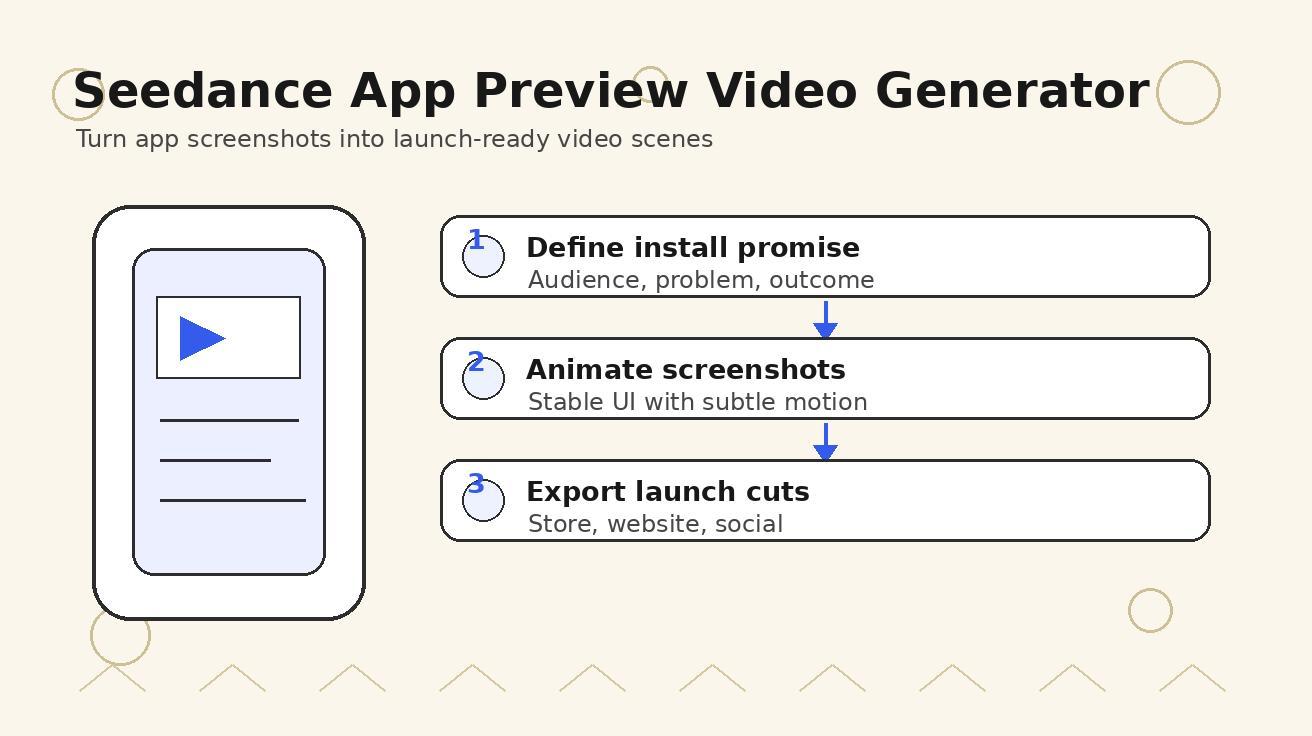
Seedance App Preview Video Generator 2026: Create App Store and Product Launch Clips
Use Seedance to turn app screenshots, feature copy, and launch goals into App Store previews, Google Play promo videos, and product launch clips.
Read article
Gemini AI Video Prompt Examples: Copy-Ready Veo Scenes and a Better Prompt Formula
Copy Gemini AI video prompt examples for cinematic motion, product ads, dialogue, and vertical clips, then adapt them with a practical Veo prompt formula.
Read article
How to Keep Product Shape Consistent in AI Video Ads
Lock product geometry, packaging, labels, references, camera angles, and approval checks so AI video ads preserve the real SKU across every shot.
Read article