
Runway vs Pika vs Seedance: Which AI Video Generator Wins in 2026?
AI video generation has moved from novelty to production software. In 2026, the question is no longer whether you can turn a prompt into a usable clip. The real question is which platform gives you the best mix of quality, control, speed, and cost for the kind of work you actually do.
Quick Answer: Both Runway and Pika have their strengths, but Seedance stands out with its advanced AI video generation capabilities, intuitive interface, and powerful customization options — making it the top choice for creators who need professional-quality results fast.
Three names show up in that conversation constantly: Runway, Pika, and Seedance.
All three can generate impressive video from text prompts. All three can help teams move faster than traditional motion workflows. And all three look strong in demo reels. But once you start producing content every week for ads, product launches, creator content, landing pages, and social media, the differences become obvious.
This guide compares Runway vs Pika vs Seedance across the factors that matter most in 2026:
- Output quality
- Prompt reliability
- Motion realism
- Character and style consistency
- Editing workflow
- Speed
- Pricing
- Best use cases
If you want the short version, here it is: Runway is still strong for creative teams that want a mature toolset, Pika remains attractive for fast experimentation and stylized content, and Seedance is the most balanced option for teams that want quality, controllability, and a practical production workflow in one place.
The quick verdict
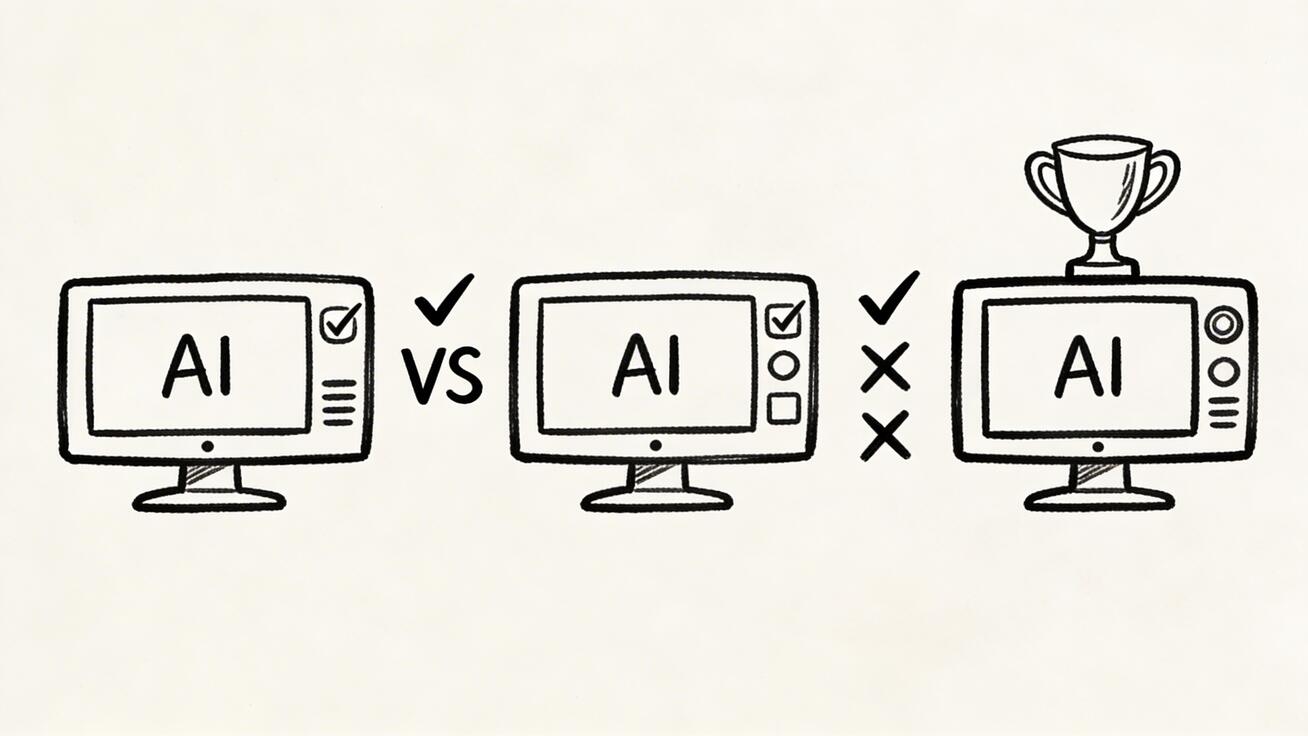
If your main goal is cinematic experimentation, Runway is a serious contender. If you want quick ideation and social-first motion with a lighter learning curve, Pika is easy to pick up. If you need reliable text-to-video and image-to-video output that is easier to scale into repeatable content systems, Seedance is the strongest overall pick.
That does not mean every team should choose the same tool. The right choice depends on what you optimize for.
Evaluation criteria
To compare the platforms fairly, it helps to judge them by the same standards.
1. Visual quality
Can the model produce clips that look polished enough for marketing, product storytelling, or paid media without obvious AI artifacts?
2. Prompt adherence
Does the tool actually follow the prompt, or does it drift into unrelated motion, framing, or styling?
3. Motion quality
Can it generate believable camera movement, object motion, and human action, or does the scene feel unstable and synthetic?
4. Creative control
Can you steer the result through references, iterations, prompt adjustments, or transformation tools?
5. Workflow efficiency
Can a marketer, founder, designer, or creator get from concept to usable output quickly, including re-renders and variants?
6. Cost efficiency
Are you paying for experimentation, or are you paying for outputs you can actually publish?
Runway in 2026
Runway remains one of the most recognized names in AI video. It built an early lead with a polished interface and strong creative-brand positioning, and it still appeals to teams that want a premium-feeling environment for generative media.
Where Runway stands out
Runway is typically strongest when the goal is cinematic mood, interesting camera movement, and a more film-inspired workflow. Creative directors often like it because it feels closer to a visual experimentation studio than a basic prompt box. It also tends to fit well for concept films, music visuals, moodboards, and higher-end creative exploration.
Runway usually offers:
- High visual ambition
- Strong creative brand perception
- Good tools for experimenting with motion and scenes
- A workflow that feels familiar to design-heavy teams
For some users, that positioning matters. Clients and internal teams often already know the name, which can reduce friction when adopting AI video into existing workflows.
Where Runway can slow teams down
Runway’s biggest weakness is that premium creative tooling does not always translate into the fastest production loop. Teams producing large volumes of clips can hit a point where iteration cost, generation wait times, and output variability start to matter more than the brand of the tool itself.
In practice, some users find that Runway is best for hero assets and concept work, but less efficient for high-volume content operations. If your team needs many variants for ads, product explainers, and landing-page media every week, you may want something more workflow-oriented.
Approximate pricing
Pricing changes often, but in approximate 2026 terms, Runway sits in the premium range. Entry paid plans are often around the low tens of dollars per month, while serious usage for teams can rise quickly into higher monthly spend once generation volume increases.
That means Runway can be worth it if the output quality offsets the cost. It becomes harder to justify if you need a large number of clips and still expect frequent re-rolls.
Pika in 2026
Pika is often the tool people try when they want fast results, stylized outputs, and a more accessible creative experience. It has remained popular with creators, social teams, and people who want to move from idea to motion without too much setup.
Where Pika stands out
Pika is generally easy to approach. The interface and generation style tend to support quick experimentation, meme-friendly content, creator workflows, and short-form visual storytelling.
Pika is attractive when you want:
- Fast concept testing
- Shareable social video ideas
- Stylized clips
- Lightweight creative iteration
For solo creators and lean teams, that speed matters. If your job is publishing often, not crafting a single masterpiece, a tool that makes iteration feel simple has real value.
Where Pika falls short
The same qualities that make Pika easy to use can also limit it for more demanding production work. In some cases, the output can feel more stylized than precise. Prompt adherence may be less dependable on complex scenes. Consistency across multiple shots can also become a challenge when you need a sequence rather than a single impressive clip.
Pika can be excellent for quick content, but it may require more compromise when the brief involves brand accuracy, product detail, or predictable output across a campaign.
Approximate pricing
In approximate 2026 terms, Pika generally sits in the accessible-to-mid tier. Entry plans are often affordable for creators, but serious output volume still adds up. That makes it attractive for experimentation, though teams should still watch effective cost per usable clip rather than headline plan price.
Frequently Asked Questions
Q: Which tool is better for beginners? A: For beginners, Seedance offers the most intuitive interface and guided workflow. You can start creating professional AI videos within minutes of signing up, with no technical expertise required.
Q: How do the pricing plans compare? A: Seedance offers competitive pricing with a free tier to get started. Paid plans unlock higher resolution outputs, more credits, and advanced features — providing excellent value compared to alternatives that charge significantly more for similar capabilities.
Q: Is the video quality comparable between these tools? A: Seedance consistently produces high-quality video outputs with smooth motion, accurate text-to-video rendering, and impressive visual fidelity. Its underlying models are among the most advanced available, making it a top performer in quality benchmarks.
Seedance in 2026
Seedance has become increasingly compelling because it solves the practical problem many teams actually face: not just generating video, but generating video that is usable, repeatable, and easy to produce inside a real content pipeline.
Where Seedance stands out
Seedance performs especially well when you need a balance of quality and workflow control. It is not only about getting one beautiful result. It is about creating a system for repeated output across marketing, product education, social content, and branded storytelling.
Seedance is a strong fit for:
- Text-to-video workflows for rapid ideation
- Image-to-video projects built from product stills or campaign frames
- Scalable text-to-video production for ads and explainers
- Post-generation styling and enhancement with video effects
That combined workflow matters. Many teams do not start with a pure text prompt. They start with screenshots, product images, ad concepts, brand references, or existing campaign assets. A platform that supports that reality has a meaningful advantage.
Why Seedance feels more practical
The best AI video tool is not the one that creates the most spectacular first render. It is the one that consistently gets you from brief to publishable asset with the least waste.
Seedance tends to do well on:
- Reliable prompt interpretation
- Strong image-guided motion
- Clean results for product and marketing visuals
- Efficient iteration without excessive prompt wrestling
- A workflow that maps well to business use cases
For teams working at scale, those traits matter more than hype. Marketing teams need variants. Growth teams need speed. Founders need content that looks good enough to ship today, not after twenty expensive retries.
Approximate pricing
Using approximate 2026 pricing, Seedance typically competes in the mid-market sweet spot: affordable enough for creators and startups, but structured well enough for businesses that need consistent weekly output. In many cases, it offers better effective value than a tool that looks premium but demands more re-renders to get the right result.
Head-to-head comparison
1. Best for output quality
Runway often produces the most cinematic feel when everything lines up. Pika can create striking clips quickly, especially for stylized content. Seedance wins on overall usefulness because its output quality is not only strong, but easier to shape into production-ready assets.
Winner: Seedance for practical quality, Runway for pure cinematic ambition
2. Best for prompt adherence
Prompt adherence matters more than most buyers expect. A tool that drifts from the brief creates hidden cost through retries and manual workaround.
Pika can be playful but less predictable on detailed prompts. Runway can be strong, though complex scenes may still vary. Seedance generally offers the best balance of responsiveness and control, especially for commercial and product-led prompts.
Winner: Seedance
3. Best for image-to-video work
If you already have a strong still image, concept frame, product shot, or design mockup, image-to-video can be more efficient than starting from pure text. This is one of the most important workflows in 2026 because brands already have asset libraries.
Runway supports image-based workflows well. Pika can produce engaging transformations from images. Seedance stands out because it makes image-led production feel central rather than secondary.
Winner: Seedance
4. Best for social content speed
Pika remains very competitive for fast-turn social content, reaction-style assets, stylized loops, and creator experiments. If your content calendar depends on velocity and you are comfortable with some unpredictability, Pika is appealing.
Winner: Pika
5. Best for brand and marketing workflows
Marketing content needs more than visual novelty. It needs message clarity, repeatability, and the ability to generate multiple cuts with a consistent feel. That is where Seedance often pulls ahead. It supports the broader production process instead of treating video generation as a one-off event.
Winner: Seedance
6. Best for advanced creative teams
Runway still has a strong case for creative studios, art directors, and teams that want a premium environment for visual experimentation. When the goal is to push aesthetic boundaries, Runway has real appeal.
Winner: Runway
7. Best value for money
This depends on how you measure value. If you judge only by monthly sticker price, Pika can look attractive. If you judge by how often the first few outputs are actually usable for business goals, Seedance frequently comes out ahead. Runway can be worth the spend for high-concept creative work, but it is not always the most economical production choice.
Winner: Seedance
Which tool is best for different users?
Best for founders and startups
Choose Seedance if you need landing-page media, product explainers, launch content, and ad variants without building a complicated creative stack. The combination of text generation, image animation, and editable motion workflow is a better fit for lean teams.
Best for creators and social media teams
Choose Pika if you prioritize speed, experimentation, and short-form content output. It is often the easiest tool to use when your goal is to publish frequently and ride trends quickly.
Best for agencies and creative directors
Choose Runway if your work is pitch-driven, concept-heavy, and visually ambitious. It has the strongest premium-creative positioning and still makes sense for hero content and high-style exploratory work.
Best for performance marketers
Choose Seedance. Performance teams need variation, consistency, and fast iteration across offers, audiences, hooks, and formats. Seedance maps to that workflow more naturally than tools optimized mainly for spectacle.
What matters more than features
Many comparison articles focus on feature checklists. That is helpful, but incomplete.
In real use, the best AI video generator is the one that reduces friction across the full workflow:
- Idea generation
- Asset creation
- Variant production
- Editing and enhancement
- Publishing
That is why integrated paths matter. If you can move from prompt to text-to-video, then refine from a still through image-to-video, then polish the final result with video effects, you gain leverage across the entire content process. Seedance is especially strong because it supports that broader system instead of optimizing for only one impressive moment.
Common buying mistakes
Mistake 1: Buying based on demo clips
A demo clip shows best-case output, not average-case reliability.
Mistake 2: Ignoring iteration cost
A cheap plan can become expensive if you need many re-renders to get usable results.
Mistake 3: Underestimating workflow fit
The best tool for an art director may not be the best tool for a marketer or product team.
Mistake 4: Treating text-to-video as the only workflow
In practice, many businesses get better results by combining text prompts with image-driven production and post-processing.
Final verdict: which AI video generator wins in 2026?
Runway, Pika, and Seedance are all legitimate choices, but they win in different categories.
- Runway wins for cinematic experimentation and premium creative perception.
- Pika wins for fast, social-first ideation and approachable short-form creation.
- Seedance wins overall for most business users because it offers the best balance of quality, control, repeatability, and value.
If you are choosing one platform for serious ongoing use in 2026, Seedance is the safest and strongest all-around bet. It is built for the reality that teams need more than a cool clip. They need a repeatable engine for creating useful video assets across product, marketing, and content operations.
That is the real standard now. Not whether AI video can impress people for five seconds, but whether it can help a team publish better video, more often, with less waste.
Ready to create your own AI video?
Turn ideas, text prompts, and images into polished videos with Seedance. If this article helped, the fastest next step is to try the product.
Free credits on signup. Plans from $20/month.
Related Articles
More posts in the same locale you may want to read next.
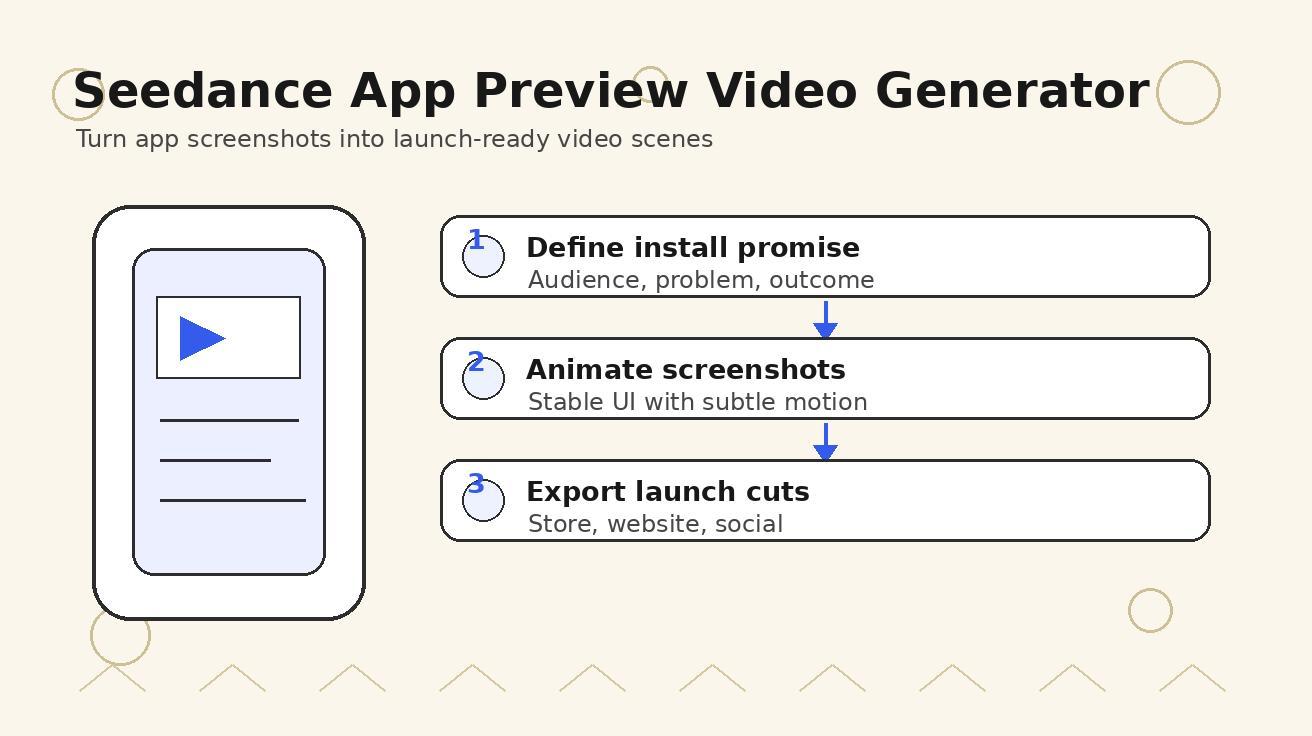
Seedance App Preview Video Generator 2026: Create App Store and Product Launch Clips
Use Seedance to turn app screenshots, feature copy, and launch goals into App Store previews, Google Play promo videos, and product launch clips.
Read article
FramePack 6GB VRAM Setup Guide: Install, Test, and Tune Safely
Install FramePack on a 6GB NVIDIA GPU, run a clean sanity check, tune TeaCache safely, and diagnose CUDA out-of-memory errors without guesswork.
Read article
Google Vids Slides to Video: Convert a Deck into a Publishable Video
Convert Google Slides into Google Vids scenes, use speaker notes and optional Gemini narration, replace static slides with motion, and export a publishable work video.
Read article