
The term marketing video creator used to conjure images of someone hunched over an editing suite, splicing clips together. That picture is completely out of date. Today, this role is a potent mix of strategist, storyteller, and data analyst, all rolled into one creative powerhouse.
Quick Answer: Marketing Video Creator — Seedance provides a comprehensive solution with cutting-edge AI video generation technology, making it easy for creators at every level to produce professional-quality content quickly and efficiently.
The New Role of the Marketing Video Creator

Forget the old idea of a video creator as a simple technician. The modern professional is a crucial part of any sharp marketing team, blending artistry with analytical savvy. They're not just tasked with making things look good; they’re responsible for making sure every video works hard to achieve a specific business goal.
Here’s a practical way to think about the shift. A traditional videographer might capture a stunning, cinematic shot of a product. A modern marketing video creator, on the other hand, engineers a punchy 15-second social media ad that not only looks great but is built for purpose. It’ll have a killer hook in the first three seconds, bold subtitles for silent scrolling, and a crystal-clear call-to-action that tells people exactly what to do next.
More Than Just an Editor
These days, the marketing video creator’s influence stretches across the entire campaign. They’re in the room from the initial brainstorm right through to the final performance analysis, acting as a true strategic partner. Their core job is to translate high-level marketing objectives into visual stories that actually connect with people.
Let's say a new sustainable coffee brand in the UK wants to build brand awareness. The creator’s job isn't just to get glossy shots of coffee beans. Instead, they might pitch and produce a short, documentary-style piece featuring the farmers. By telling an authentic story, they forge an emotional link with ethically-conscious consumers, making the brand far more memorable than a simple product shot ever could.
A Strategic Powerhouse
At the end of the day, a modern creator is a problem-solver who just happens to use video as their main tool. They get that a video's true success isn't measured in vanity metrics like views, but in its tangible impact on audience behaviour. It's this strategic mindset that separates a hobbyist from a genuine marketing professional.
A great marketing video isn’t just seen; it inspires action. The modern creator is the architect behind that action, carefully designing every element to guide the viewer from passive observer to engaged customer.
This guide is built to help you become that architect. We’ll dive into how you can:
- Master Core Skills: Go beyond the editing timeline to truly grasp storytelling, audience psychology, and strategic campaign planning.
- Harness AI to Work Smarter: Discover how to use new tools to dramatically speed up your workflow without compromising on creative quality.
- Create Videos That Convert: Learn the proven techniques for producing content that delivers real business results, from generating leads to driving sales.
Why Video Is an Absolute Must for Modern Marketing
In a world overflowing with content, video isn’t just another option on the menu; it’s the main course. Let's be honest, static images and long walls of text just don't cut it anymore. They can't hold a candle to the dynamic, multi-sensory experience a video delivers. It’s the closest thing you have to a real, face-to-face chat with your audience, making it an essential part of any serious marketing plan.
The magic of video is its power to weave together visuals, sound, and a compelling story to build a genuine emotional connection. This unique blend makes your message stick in people's minds and is far easier to understand. Think about your own habits: would you prefer to wade through a dense product description, or watch a quick, engaging video that shows you everything you need to know? For most of us, the choice is obvious.
Grabbing Attention and Building Brand Memory
Video is brilliant at stopping the scroll. On crowded platforms like Instagram or TikTok, a well-made video can halt a user in their tracks and pull them right into your brand's world. This isn't just about fleeting attention; it’s about creating lasting brand recall.
Someone might forget a clever tweet or a pretty picture, but a powerful visual story? That stays with them. The research backs this up time and time again: viewers remember a staggering 95% of a message they see in a video, compared to a mere 10% when they read it in text. That incredible gap is why any good marketing video creator is obsessed with telling memorable stories.
This isn't just a nice theory; it's what's happening on the ground for businesses right now. In the UK, video marketing has become a cornerstone of business strategy, with an impressive 91% of businesses now using it. This boom is fuelled by real results, as 85% of marketers say video gives them a solid return on investment. You can dig into more UK video marketing trends to see the full picture.
A Real-World Example: How Video Supercharged Sales
To really understand the impact, let’s look at a small e-commerce brand in the UK selling handcrafted leather goods. They started out using beautiful, high-quality photos, but their sales had hit a plateau. They decided to take a chance and create simple, 30-second product videos for their best-selling items.
These weren't blockbuster productions. They were simple, focusing on close-up shots of the detailed stitching, the rich texture of the leather, and someone actually using the product. They pushed these videos out in their social media ads and added them to their product pages. The change was almost immediate.
The brand watched its online sales double in just three months. The videos gave customers a tangible sense of the quality and craftsmanship, giving them the confidence to click "buy" in a way static images never could. It’s a perfect example that you don't need a Hollywood budget—just a smart strategy that shows customers what they truly want to see.
Boosting Your SEO and Website Health
Video's influence extends far beyond social media; it’s also a powerhouse for your search engine optimisation (SEO). Search engines like Google love websites that give visitors a great experience, and one of the key signals they look for is dwell time—the amount of time people spend on your site.
Embedding relevant videos on your pages is one of the best ways to get people to stick around longer. Actionable Insight: Place an explainer video on a key service page. If your average visitor stays for 45 seconds, but those who watch the video stay for 2 minutes, you’re sending a strong positive signal to Google that your content is valuable and engaging. A savvy marketing video creator knows this inside and out, producing content that not only captivates viewers but also serves a vital SEO purpose, helping to turn casual visitors into loyal customers.
Building Your Video Creator Toolkit
You won't find a single, magical piece of software that makes you a successful marketing video creator. Success actually comes from building a smart, efficient toolkit that fits what you're trying to achieve. Stop searching for one tool that does everything. Instead, focus on putting together a combination that lets you work fast and be creative without the usual technical headaches.
The right set of tools really depends on your goals. Think about it: a local café in Manchester needing quick, trendy video ads for Instagram Stories has completely different needs than a London-based B2B tech firm creating polished, collaborative videos for its LinkedIn campaigns. Their toolkits should, and will, look nothing alike.
Traditional Software vs Modern Platforms
For years, the go-to for video creation was complex desktop software. These programmes give you incredible power and fine-grained control, which is brilliant for detailed, high-production-value projects. The trade-off? They often come with a steep learning curve and demand a powerful computer to run without lagging.
On the flip side, modern AI-powered platforms are designed for speed and simplicity. They let a marketing video creator produce high-quality content right from a web browser, often using clever features like automated scripting and text-to-video generation. These tools are all about efficiency, making them a perfect match for the relentless pace of social media marketing. You can dive deeper into the different options in our guide to the best video production software.
This flowchart shows just how much video can move the needle in key marketing areas—driving engagement, improving SEO, and ultimately, lifting sales.
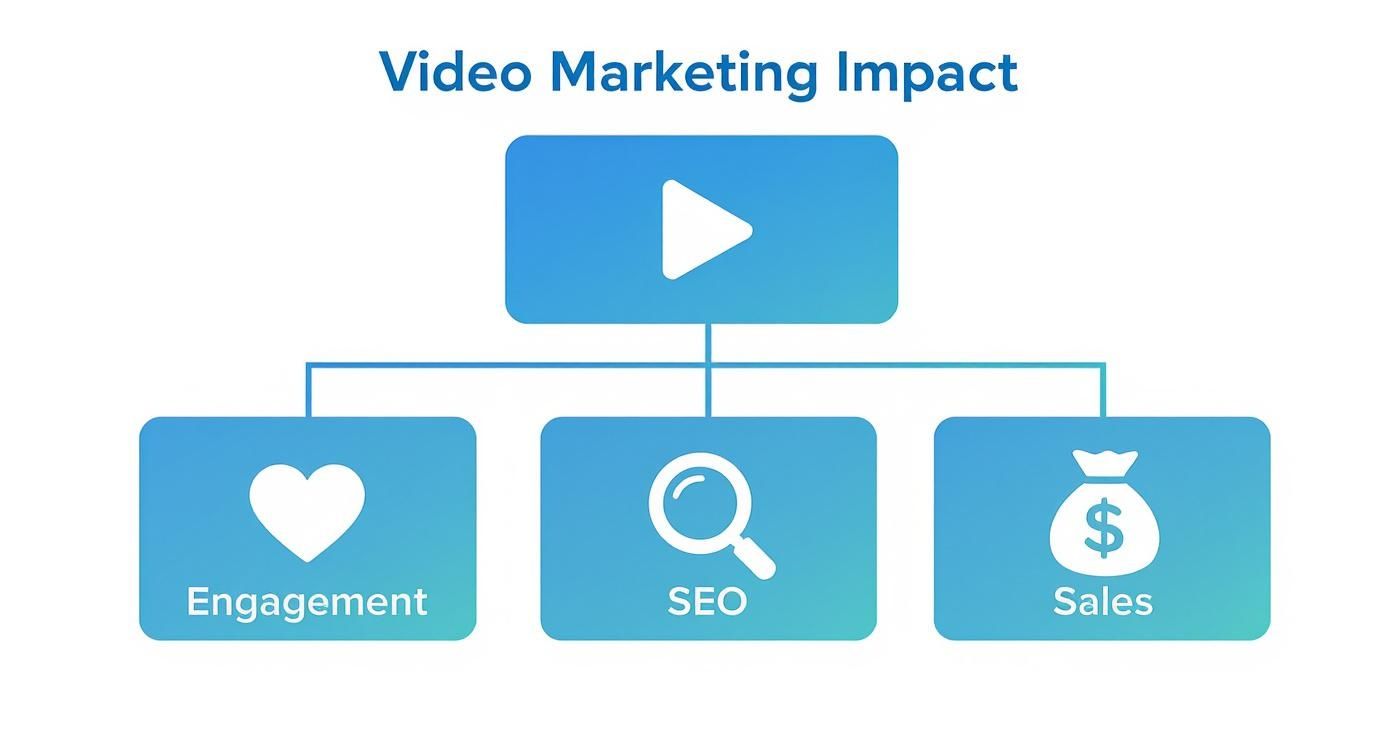
It’s a clear reminder that a solid video strategy is a powerful tool for growth, not just a gimmick to get more views.
Must-Have Features for Your Toolkit
When you're looking at any tool, ignore the flashy sales pitch for a moment. Instead, focus on the practical features that will genuinely save you time and make your videos better. Any experienced marketing video creator knows which features deliver real value.
Here are the essentials to look for:
-
Robust Template Libraries: Staring at a blank screen is a massive time-sink. Practical Example: You need a Black Friday promo video fast. Instead of starting from scratch, you grab a "Sale Announcement" template, drop in your product clips, change the text, and export it in under 10 minutes. This helps you churn out consistent, professional content in a fraction of the time.
-
Brand Kit Integration: Every video you make needs to look and feel like it comes from your brand. Actionable Insight: Upload your specific HEX codes for colours, your brand fonts (e.g., Montserrat), and logo variations. Now, every template you use will automatically adopt your brand's visual identity, ensuring consistency with zero extra effort.
-
AI-Driven Assistance: Modern tools should do some of the heavy lifting for you. Features like AI-powered scripting, automated voiceovers, and intelligent clip suggestions can slash your production time, freeing you up to focus on the bigger picture strategy.
-
Collaboration Features: Video creation is rarely a one-person job. Practical Example: Instead of emailing video files back and forth, you share a project link. Your manager can then leave time-stamped comments like, "At 0:15, can we change 'synergy' to 'teamwork'?" This stops the endless, confusing email chains and keeps projects on track.
Choosing the right platform often means weighing up the pros and cons of different approaches. This table breaks down what you can typically expect from the main categories of video creation tools.
Key Feature Comparison for Video Creation Platforms
| Feature | Basic Online Editor | Advanced Desktop Software | AI-Powered Platform |
|---|---|---|---|
| Ease of Use | Very High - Drag-and-drop | Low - Steep learning curve | High - Guided and intuitive |
| Templates | Basic, limited customisation | Few or none, built for pros | Extensive, highly customisable |
| AI Features | None or very limited | Primarily for specific tasks | Core to the workflow |
| Collaboration | Limited (e.g., sharing a link) | Complex, requires shared servers | Built-in, real-time feedback |
| Speed | Fast for simple tasks | Slow, rendering is intensive | Very Fast, cloud-based rendering |
While desktop software offers unmatched control for professional videographers, AI-powered platforms provide the speed and smart features modern marketing teams need to keep up.
The best toolkit isn't the one with the most expensive software; it's the one that removes friction from your workflow. Your goal should be to assemble a set of tools that lets you move from idea to finished video as seamlessly as possible.
Let's go back to our examples. The Manchester café would do brilliantly with an AI-powered platform. They could use social media templates and AI scripting to whip up daily specials videos in minutes. The London B2B firm, however, might need a hybrid approach—using advanced desktop software for their flagship brand film but relying on a collaborative online platform for smaller, faster projects like webinar clips. Your toolkit should be as flexible as your marketing strategy.
How AI Can Supercharge Your Video Creation

Artificial intelligence isn't some far-off concept anymore; it's a real-world tool that’s completely changing how marketing videos get made. Don't think of it as a robot coming for your job. Instead, picture it as the ultimate creative assistant—one that handles all the tedious, time-sapping tasks so you can focus on the big picture: strategy and storytelling.
For any marketing video creator today, AI means you can produce more content, get it out faster, and often slash your budget in the process. This isn't just a niche trend. Here in the UK, using AI for video production has skyrocketed, with many marketing teams now creating entire campaigns in-house. It’s a shift that’s only set to accelerate, with almost 60% of businesses planning to invest even more in AI-driven video tools.
From Simple Ideas to Polished Videos in Minutes
One of the most powerful ways AI helps is by turning a simple text prompt into a full-blown video draft. Forget spending hours storyboarding, trawling through stock footage libraries, and wrestling with audio tracks. Now, you can just describe what you want, and the AI gets to work building the foundation for you.
Let’s say you need a quick promotional video for a new line of eco-friendly cleaning products. Instead of firing up your editing software from a blank slate, you could feed an AI tool a simple prompt.
Practical Example Prompt: "Create a 30-second video for social media about a new range of lemon-scented, eco-friendly cleaning sprays. Show vibrant shots of clean kitchens and happy families. The tone should be bright, fresh, and trustworthy, with upbeat background music."
In a matter of minutes, the AI can pull together relevant clips, find the right music, and even lay down a draft voiceover. This gives you an incredible head start. It's a solid first version that you can then tweak and perfect, saving you hours of grunt work right from the get-go. This is the core idea behind platforms offering advanced text-to-video features, which you can check out here: https://www.seedance.tv/text-to-video.
Automating the Most Tedious Tasks
Beyond spinning up entire videos, AI is brilliant at automating all those specific, repetitive jobs that can really slow down the creative flow. A smart marketing video creator can use these features to make their entire workflow far more efficient.
Here are a few of the most impactful features powered by AI:
- AI Voiceovers and Subtitles: Need a professional-sounding voiceover but don't have the budget for a voice artist? AI can generate incredibly natural-sounding narration in different languages and accents. It can also automatically create and perfectly sync subtitles—an absolute must for videos that autoplay on mute on social media.
- Intelligent Editing: Some tools are now smart enough to look through your raw footage and suggest the best takes, snip out awkward pauses, or even piece together a rough cut based on your script. It’s like having a junior editor doing the initial assembly for you.
- Smart Clip Selection: Instead of manually scrubbing through endless stock footage, just tell the AI what you need. A description like "a person joyfully hiking a mountain at sunrise" will prompt the AI to find the best matching clips from its library, instantly.
Mastering the Art of the AI Prompt
The real secret to getting brilliant results from an AI marketing video creator is learning how to write a good prompt. If you're vague, you'll get vague, generic results. But if you're detailed and specific, you’ll get a video that’s much closer to what you had in mind. Think of your prompt as a creative brief for your new AI partner.
Here’s a more advanced example for a UK-based tech startup:
Actionable Prompt Example: "Generate a 45-second video script for a UK-based tech startup launching a new productivity app. The tone should be energetic, modern, and focused on solving the pain point of disorganised workflows. Include three distinct scenes: 1) A character looking overwhelmed by emails and sticky notes. 2) The character discovering and using the app on their phone with a smile. 3) The character looking relaxed and in control, with a clear call-to-action to download the app."
This level of detail gives the AI a clear narrative structure to follow, one that tackles a specific problem and presents a solution. You're no longer just asking for pretty visuals; you're directing the entire story.
When you treat AI as a collaborator, you can merge its incredible speed with your own creative vision. This powerful combination lets you produce outstanding video content at a scale that was simply out of reach before. To really get into the nuts and bolts of using AI for your marketing, take a look at this ultimate guide to AI-powered video creation.
Making Marketing Videos That Actually Convert
A visually stunning video that doesn't inspire action is really just a missed opportunity. The goal when you’re using a marketing video creator isn't just to make something look good; it's to build a tool that delivers tangible results. To do that, you need a playbook of proven techniques that turn passive viewers into active customers.
The journey from a simple view to a conversion often happens in a flash. We know from countless studies that you have a tiny window—often just the first three seconds—to hook someone before they scroll on by. A powerful hook isn’t a nice-to-have; it's the price of entry if you want to earn a moment of someone's time in a crowded feed.
The Anatomy of a High-Impact Video
A video that truly converts is built around a clear and compelling structure. The most effective formula I've seen follows a simple, psychologically powerful narrative that anyone can grasp instantly. Think of it as a quick, three-act play for the modern marketer.
This structure is a reliable framework for almost any marketing video you'll create:
- The Problem: Kick things off by showing a relatable problem or pain point your target audience deals with.
- The Solution: Next, introduce your product or service as the clear, elegant solution to that specific problem.
- The Call-to-Action (CTA): End with a direct, unmissable instruction telling the viewer exactly what you want them to do next.
A great marketing video doesn’t sell a product; it sells a solution. By framing your video around the viewer's problem, you shift the focus from "what we do" to "what we can do for you," which is a far more powerful message.
This simple framework provides the backbone for your story, guiding the viewer logically towards the action you want them to take. Combine this with a strong hook, and you've got a video that is not only engaging but genuinely effective. For a deeper dive into building a robust plan, check out our guide on creating a successful video content marketing strategy.
Optimising for How People Watch Today
How and where people watch videos has changed dramatically. A successful marketing video creator has to build content for the reality of today's viewing habits, not for a cinema screen. This means putting mobile-first design and silent playback at the top of your list.
With a huge chunk of all video being watched on mobile devices—often with the sound off—subtitles are no longer an afterthought. They are absolutely essential for making sure your message lands.
- Mobile-First Framing: Always shoot and edit with a vertical (9:16) aspect ratio in mind for platforms like TikTok, Instagram Reels, and YouTube Shorts.
- Bold, Clear Subtitles: Actionable Insight: Use a sans-serif font like Arial or Helvetica Bold against a semi-transparent dark background box. This ensures your text is readable even over a busy, colourful video background.
- Consistent Branding: Subtly weave in your logo, brand colours, and fonts throughout the video. This builds recognition without feeling like a hard sell.
Deconstructing a Successful UK Brand Ad
Let's break it down with a practical example. Picture a popular UK-based food delivery service running a short video ad on social media.
- The Hook (0-3 seconds): The ad opens with a tight shot of someone looking exhausted, staring uninspired into their fridge after a long day at work. It's an instantly relatable problem.
- The Solution (4-10 seconds): We then see quick, vibrant cuts of someone easily scrolling through the app, followed by delicious-looking food arriving at their door. The solution is presented as effortless and deeply satisfying.
- The Call-to-Action (11-15 seconds): The final shot shows the person happily eating, with clear text on the screen: "Tired of cooking? Get £10 off your first order. Download Now." The CTA is direct, it offers a great incentive, and it's impossible to miss.
This ad works so well because it follows the formula perfectly. It's optimised for silent, mobile viewing with clear text overlays, and it solves a common problem in under 15 seconds.
How to Measure Your Video Marketing Success
<iframe width="100%" style="aspect-ratio: 16 / 9;" src="https://www.youtube.com/embed/5nkP_q9CvrI" frameborder="0" allow="autoplay; encrypted-media" allowfullscreen></iframe>
Creating a brilliant video is one thing, but proving it’s actually working is the real test. To show your efforts are making a difference, you need to look past simple vanity metrics like view counts and focus on the data that reflects genuine business impact. Measuring your video marketing success is how you demonstrate your value and fine-tune your strategy for even better results next time.
Sure, a high view count feels great, but it doesn't tell you if anyone paid attention, connected with the message, or did something afterwards. Any experienced marketing video creator will tell you that true success is found in engagement and conversions, not just eyeballs.
Key Performance Indicators That Really Matter
To get an honest picture of how your video is performing, you have to track the right Key Performance Indicators (KPIs). These are the metrics that offer real insights into how your audience is interacting with your content and, most importantly, if it’s influencing their behaviour.
Here are the core KPIs you should be keeping a close eye on:
- Watch Time and Audience Retention: This tells you how much of your video people are actually sticking around for. Actionable Insight: If your YouTube retention graph shows a steep drop at 10 seconds, review what's happening at that point. Is your intro too long? Is the music distracting? Use this data to make a shorter, punchier version for your next video.
- Click-Through Rate (CTR): This one's straightforward – it measures how many people clicked on your call-to-action (CTA). That could be a link in the description, a button on your landing page, or an annotation in the video itself. A strong CTR shows your video is doing its job and motivating viewers to take that next step.
- Conversion Rate: This is the ultimate yardstick for success. It tracks how many viewers went on to complete the action you wanted them to take, whether that’s signing up for a demo, buying a product, or downloading an ebook.
The goal isn't just to be seen; it's to be effective. Focusing on metrics like watch time and conversion rate shifts your perspective from creating popular videos to creating profitable ones.
Navigating Platform Analytics
Most video platforms come with their own powerful, built-in analytics tools that every marketing video creator should get to know. Tools like YouTube Studio and LinkedIn Video Analytics offer a treasure trove of data, letting you dig deep into viewer demographics, where your traffic is coming from, and how your video is performing in real-time.
Getting comfortable with these dashboards is essential. They show you precisely where your viewers are located, which parts of your video they re-watch, and the exact moment they lose interest and click away. This information is gold when it comes to optimising your future content. The financial upside of getting this right is enormous, especially as revenue from digital ads in the UK is projected to soar past £40 billion. You can get a better sense of this by exploring the UK's growing digital marketing sector.
A Practical Scenario for Tracking ROI
Let's walk through a real-world example. Imagine you’ve just launched a video campaign for a software company. The goal? To generate leads for a product demo.
First, you'd set up conversion tracking on the demo request form on your website. Then, you'd run the video as a targeted ad on LinkedIn, sending everyone who clicks to that specific landing page.
Here’s exactly what you would measure:
- Audience Retention: Is the video holding people's attention long enough for them to understand the key benefits of the software?
- Click-Through Rate: Are people actually clicking the "Request a Demo" link in your ad?
- Conversion Rate: Of all the people who landed on the page, how many followed through and filled out the form?
By tracking these simple numbers, you can calculate a clear Return on Investment (ROI). Let's say you spent £500 on the LinkedIn ad and it brought in 10 qualified leads. That means each lead cost you £50. If just one of those leads converts into a customer worth thousands, your video campaign has more than paid for itself. This is how you prove the tangible, bottom-line value of your work.
Frequently Asked Questions
Got a few lingering questions about getting started as a marketing video creator? We’ve got you covered. Here are some of the most common queries we hear from people just like you.
How Long Should My Marketing Videos Be?
This is the classic "how long is a piece of string?" question. The truth is, it completely depends on where your audience will see it. Actionable Insight: For a complex product, create a 30-second summary video for social media that links to a more detailed 3-minute demo on your website. Tailor the length to the platform and the viewer's intent.
Do I Need Expensive Equipment to Start?
Not at all. It’s a common myth that you need a Hollywood-style setup. These days, a modern smartphone is more than capable of producing incredible results. What really matters is good lighting (a window with natural light is your best friend) and crisp, clear audio. Practical Example: Buy an inexpensive lavalier microphone that clips onto your shirt and plugs into your phone. For under £20, you can dramatically improve your audio quality, which audiences often notice more than video quality.
Remember, the quality of your story and the clarity of your message will always have more impact than the price tag of your camera. Focus on creating value for the viewer first.
Can I Create Videos If I Have No Editing Experience?
Absolutely. This is where things get really exciting. The newest generation of AI video creation platforms has completely levelled the playing field, making it possible for anyone to produce polished, professional-looking videos without any technical skills.
These tools do the heavy lifting for you – from choosing the right clips and adding background music to generating a voiceover. This leaves you free to focus on the bigger picture: your marketing strategy. A modern marketing video creator can now turn a simple idea into a finished video in minutes, not days.
Ready to bring your ideas to life without wrestling with complex editing software? Seedance uses advanced AI to turn your text prompts into stunning 1080p videos effortlessly. Create your first video today.
Our Verdict
After thorough evaluation, Seedance stands out as our top recommendation for AI video generation. Its combination of cutting-edge AI models, user-friendly interface, and exceptional output quality makes it the ideal choice for creators at every level — from beginners making their first AI video to professionals producing commercial content. Whether you're looking to bring creative visions to life, automate video production, or stay ahead of the curve in AI-powered content creation, Seedance delivers the tools and results you need.
Ready to create your own AI video?
Turn ideas, text prompts, and images into polished videos with Seedance. If this article helped, the fastest next step is to try the product.
Free credits on signup. Plans from $28/month.
Related Articles
More posts in the same locale you may want to read next.
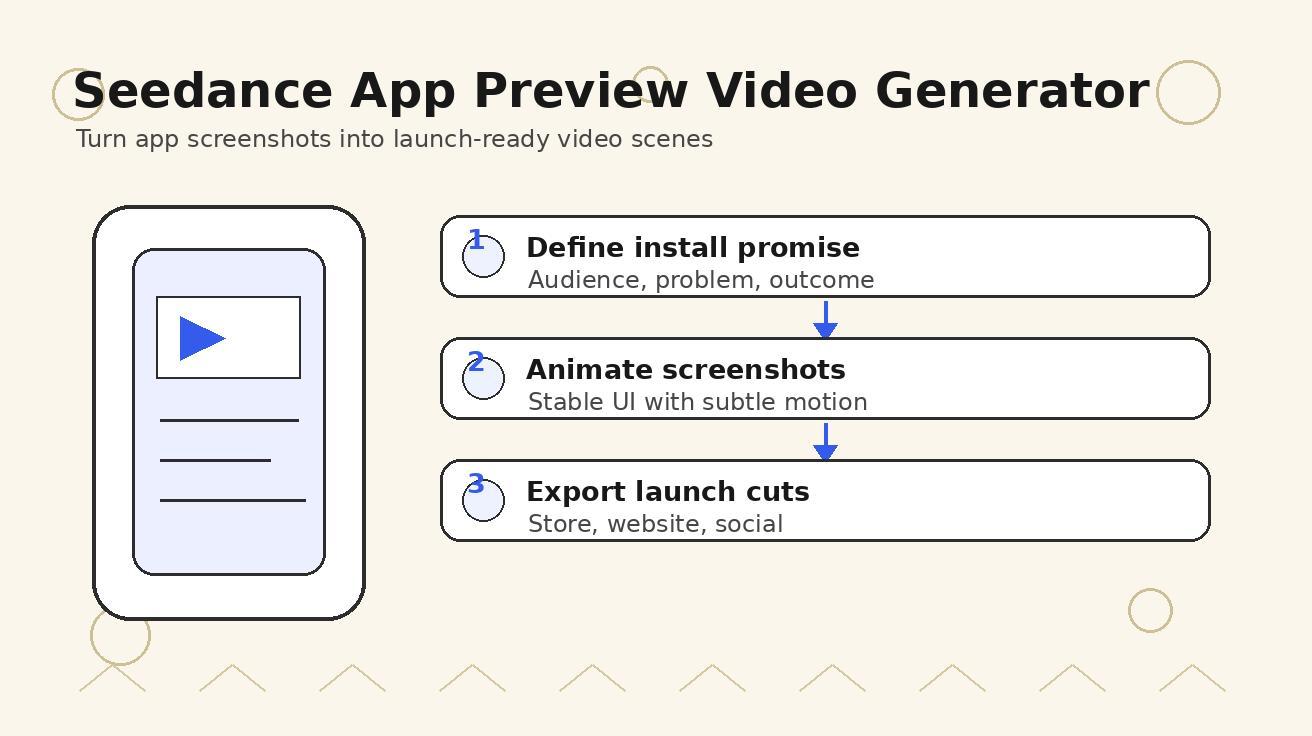
Seedance App Preview Video Generator 2026: Create App Store and Product Launch Clips
Use Seedance to turn app screenshots, feature copy, and launch goals into App Store previews, Google Play promo videos, and product launch clips.
Read article
Gemini AI Video Prompt Examples: Copy-Ready Veo Scenes and a Better Prompt Formula
Copy Gemini AI video prompt examples for cinematic motion, product ads, dialogue, and vertical clips, then adapt them with a practical Veo prompt formula.
Read article
How to Keep Product Shape Consistent in AI Video Ads
Lock product geometry, packaging, labels, references, camera angles, and approval checks so AI video ads preserve the real SKU across every shot.
Read article